




Where to Start Reading Catherine Cookson
Catherine Cookson's bibliography is famously vast, containing nearly a hundred books that span standalone historical dramas, family sagas, children's stories, and autobiographies. Because almost all of her series stand independent of one another, you do not need to read her entire catalog in order of publication. Instead, the best way to experience Cookson is by starting with one of her landmark standalone novels to get a feel for her signature grit and regional warmth, or by diving directly into her most popular multi-generational trilogies.
For absolute beginners, we recommend starting with a standalone like The Fifteen Streets or The Dwelling Place. These books provide the perfect introduction to Cookson's Tyneside setting, working-class struggles, and themes of resilience. If you prefer a longer multi-book arc, The Mallen Trilogy is the definitive starting point for her series work.
The Landmark Standalone Novels
If you prefer self-contained stories, Cookson's standalones represent some of her finest, most emotionally resonant writing. Here are the key starting points:
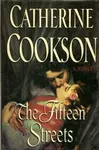
- The Fifteen Streets (1952): Set in the dockside slums of South Shields, this is a quintessential Cookson tale focusing on class divides, Catholic-Protestant tensions, and a hard-fought romance. It remains one of her most famous and adapted works.
- The Dwelling Place (1971): Following the young Cissie Brodie as she struggles to raise her orphaned siblings in a makeshift cave on the fells, this book is a masterclass in survival, social stigma, and determination.
- The Round Tower (1968): This award-winning novel explores class barriers, pregnancy out of wedlock, and economic ambition. It won the Winifred Holtby Memorial Prize and highlights Cookson's skill at character development.
- The Moth (1986): A fan-favorite romance set in the early 20th century that follows a talented woodworker who takes a job at a country estate, dealing with class conflicts and family tragedy.
The Major Family Sagas and Series
For readers looking to dive into recurring characters and generational conflicts, Cookson organized several works into distinct series. Here is how to read them in their proper order:
The Mary Ann Shaughnessy Series
Known affectionately as the Mary Ann books, this series is lighter and more humorous than Cookson's typical gritty dramas. It follows the life of a spirited young Catholic girl growing up in Tyneside and her efforts to keep her family together. Read them in publication order:
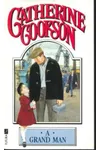
- A Grand Man (1954)
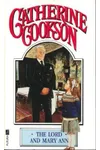
- The Lord and Mary Ann (1956)
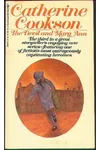
- The Devil and Mary Ann (1958)
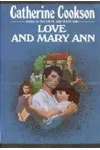
- Love and Mary Ann (1961)
- Life and Mary Ann (1962)
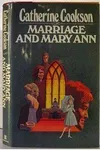
- Marriage and Mary Ann (1964)
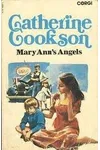
- Mary Ann's Angels (1965)
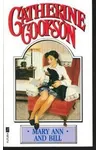
- Mary Ann and Bill (1967)
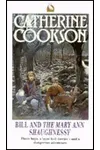
- Bill and the Mary Ann Shaughnessy (2011)
The Mallen Trilogy
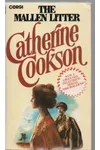
This is Catherine Cookson's most famous and dramatic family saga. It follows the Mallen family, who are cursed with a distinct white streak in their hair and a history of ruinous pride and passion, across three generations:
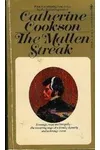
- The Mallen Streak (1973)
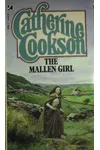
- The Mallen Girl (1973)
- The Mallen Litter / The Mallen Lot (1974)
The Tilly Trotter Trilogy
Set in rural Northumberland, this trilogy follows Tilly Trotter, a resilient young woman who is accused of witchcraft by envious villagers and must rise above poverty and heartbreak:
- Tilly Trotter / Tilly (1980)
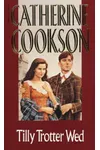
- Tilly Trotter Wed / Tilly Wed (1981)
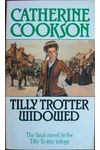
- Tilly Trotter Widowed / Tilly Alone (1982)
The Kate Hannigan Books
Cookson's debut novel and its posthumously published sequel explore the life of Kate Hannigan, a working-class woman who faces the struggles of raising an illegitimate child in Edwardian England:
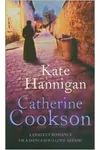
- Kate Hannigan (1950)
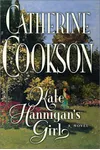
- Kate Hannigan's Girl (2000)
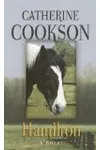
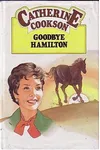
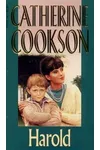
The Hamilton Trilogy
This trilogy shifts focus toward a family navigating class expectations, domestic troubles, and personal growth in the North East:
- Hamilton (1983)
- Goodbye Hamilton (1985)
- Harold (1985)
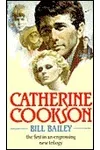
The Bailey Chronicles
Focusing on the life, family, and relationships surrounding the character Bill Bailey, this late-career series highlights Cookson's enduring ability to write heartwarming yet realistic family dramas:
- Bill Bailey (1986)
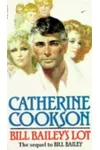
- Bill Bailey's Lot (1987)
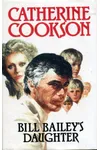
- Bill Bailey's Daughter (1989)
- The Bondage of Love (1998)
Writing as Catherine Marchant
In addition to publishing under her own name, Cookson wrote several historical romance novels under the pseudonym Catherine Marchant. These books feature the same North East settings, class conflicts, and emotional depth as her main work. They are all standalone novels and can be read in any order. Key titles include:
- Heritage of Folly (1962)
- House of Men (1963)
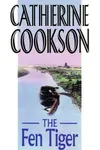
- The House on the Fens / Fen Tiger (1963)
- Miss Martha Mary Crawford (1975)
- The Slow Awakening (1976)
What to Know Before You Start
Catherine Cookson's stories are heavily grounded in the social history of the North East of England. Because she grew up in extreme poverty in South Shields as an illegitimate child, her novels carry an authenticity that generic historical romances lack. To understand the woman behind the books, readers are highly encouraged to read her landmark autobiography, Our Kate (1969). It is a raw, honest account of her upbringing and her relationship with her mother, which served as the emotional foundation for nearly all her fictional heroines.