
How to Read Catherine Dang’s Books
If you are looking for sharp, introspective fiction that explores the darker edges of female relationships, generational tension, and suspense, Catherine Dang has quickly established herself as an author to watch. Because her books are entirely standalone novels, there is no strict chronological timeline or complex series continuity to follow. You can pick up either book based on which genre appeals to you more.
Recommended Starting Point
While you can read her books in any order, we recommend starting with her debut, Nice Girls (2021). It serves as a perfect introduction to Dang's signature writing style—featuring complex, deeply flawed, and sometimes unlikable female protagonists, intense psychological suspense, and sharp social commentary set against a moody Midwestern backdrop.
If you prefer coming-of-age horror with elements of magical realism or body horror, you can jump straight into What Hunger (2025), which delivers a visceral exploration of Vietnamese-American identity and raw female rage.
Catherine Dang Books in Publication Order
For readers who want to follow the author’s stylistic evolution, reading her books in the order they were written is a rewarding path. Here is the publication order of her novels:
- Nice Girls (2021) – A gritty, contemporary psychological thriller.
- What Hunger (2025) – A dark coming-of-age horror novel.
Deep Dive Into the Books
Nice Girls (2021)
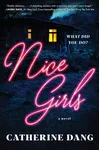
Set in the fictional, quiet town of Liberty Lake, Minnesota, Nice Girls follows Mary ("Ivy League Mary"), a young woman who has returned home in disgrace after being expelled from Cornell University. Working a dead-end job at a local grocery store, Mary becomes obsessed when a local social media star and classmate goes missing. At the same time, another local teenager from a marginalized background has also vanished, but her disappearance is largely ignored by the community. As Mary investigates, she is forced to confront the hypocrisies of her hometown, her own troubled past, and the violent secrets lurking beneath Liberty Lake's picturesque surface.
What makes Nice Girls stand out is its refusal to conform to typical thriller tropes. Mary is an intentionally difficult, prickly, and unreliable narrator. Dang uses the mystery framework to dissect how society treats missing girls differently based on race, class, and popularity, making the book as much a social critique as it is a page-turning thriller.
What Hunger (2025)
Published in August 2025, What Hunger moves Dang’s writing into the realm of literary horror and coming-of-age dark fiction. The story centers on Ronny Nguyen, a Vietnamese-American girl spending her final summer before high school trying to navigate the impending departure of her older brother, Tommy, the family's "golden child." After a traumatic incident at a high school party, Ronny experiences a bizarre transformation: she is overcome by an insatiable, physical craving for raw meat. Using cannibalistic themes and body horror as a metaphor for female anger and generational trauma, the book examines how immigrant families preserve survival instincts through food and memory.
Dang shifts her stylistic focus here toward the visceral and symbolic. The hunger Ronny feels is not just physical; it represents the starvation for understanding, the weight of keeping silent about ancestral war trauma, and the explosive release of repressed teenage female rage.
Key Themes Across Catherine Dang's Writing
Although the two books belong to different genres—one being a realistic psychological thriller and the other a coming-of-age body horror novel—they share deep thematic threads that define Catherine Dang’s unique literary voice:
- Unapologetic Female Rage: Both Mary in Nice Girls and Ronny in What Hunger are characters who refuse to be "nice." They harbor deep-seated anger, resentment, and frustration at the limitations placed on them by their environments, rejecting the social expectation for young women to be passive and pleasant.
- Minnesota Settings: Drawing from her own upbringing in a Minneapolis suburb, Dang excels at crafting evocative Minnesota backdrops. Whether it is the deceptive, quiet lakeside charm of fictional Liberty Lake or the suburban spaces where immigrant families carve out their lives, the environment plays a key role in shaping the characters' isolation.
- Social and Cultural Critique: Dang does not shy away from systemic issues. In her debut, she addresses the unequal media coverage of missing persons (often referred to as "Missing White Woman Syndrome") and racial disparities in policing. In her second novel, she focuses on the second-generation immigrant experience, highlighting the generational gap, cultural identity, and the heavy emotional inheritance of ancestral survival strategies.
What to Know Before You Start
Catherine Dang's stories do not feature traditional, comforting heroes. Her protagonists are intentionally abrasive, angry, and complicated, dealing with intense pressure from their families and society. Additionally, both books explore heavy themes that readers should be aware of before diving in:
- Nice Girls deals with themes of classism, racism, mental health struggles, and the systemic bias in media coverage of missing persons.
- What Hunger contains graphic descriptions of body horror, consumption of raw meat, and explores the heavy psychological weight of war-induced generational trauma in immigrant families.