

Where to Start Reading Catherine James
Because Catherine James's published catalog spans completely different genres and styles, your starting point depends entirely on what you want to read. There are two primary entry points into her work:
- For Non-Fiction & Memoir Readers: Start with her breakout memoir, Dandelion: Memoir of a Free Spirit (2007). This is her most famous work, capturing her turbulent youth and her experiences as a model, artist, and muse in the rock-and-roll scene of the 1960s and 1970s.
- For Historical Fiction Lovers: Start with Little Dot (2021), a Victorian saga co-authored with Sandra Fletcher. It follows a young girl's survival through orphanages and severe hardships, echoing themes of resilience found in James's own life.
The Non-Fiction Catalog: Catherine James's True Story
Her central solo work is her memoir, which stands out as a powerful tale of resilience. Rather than focusing on simple celebrity gossip, it offers a deeply personal look at overcoming childhood neglect and finding identity.
Dandelion: Memoir of a Free Spirit (2007)
Published in 2007, this memoir chronicles Catherine James's early life in Los Angeles, where she suffered under an abusive mother, was abandoned to an orphanage, and eventually escaped to Greenwich Village at age 13 after a chance meeting with Bob Dylan. The book follows her journey through the golden era of rock music, her relationships with legends like Jimmy Page, Eric Clapton, and Jackson Browne, her time in Andy Warhol's Factory circle, and her life raising her son as a single mother while modeling for Wilhelmina. It is highly recommended to read this book first to understand the real-life resilience that informs her thematic style.
The Historical Fiction Sagas (Co-authored with Sandra Fletcher)
In addition to her memoir, Catherine James has collaborated with English author Sandra Fletcher on several historical fiction novels. These books are Victorian-era dramas focusing on themes of childhood adversity, workhouses, and family separation. Because bibliographic databases often group these under the same author profile, readers should note that these represent a shift from memoir to historical genre fiction.
Publication Order of the Fletcher Collaborations
If you wish to read the historical fiction works, they are best read in order of release to appreciate how the authors develop their shared style:
- Little Dot (2021) – Inspired by true events, this novel follows a young girl named Dot who faces an abusive home, separation from her siblings, and the challenges of a Victorian orphanage.
- The Lonely Workhouse Girl (2022) – A saga following the struggles and hope of a young girl navigating the harsh realities of the Victorian workhouse system.
- The Sisters' Christmas Tale (2022) – A festive historical story exploring familial bonds and survival against a winter backdrop.
- For Rich or for Poor (2023) – A story detailing class divides and the choices a young woman must make to survive.
- Coal for Christmas (2023) – Another seasonal historical tale centering on hardship, hope, and small comforts during the holidays.
- Stolen Joy (2024) – A historical saga focusing on loss, identity, and the struggle to reclaim happiness.
The Anthology Contribution: Room 5
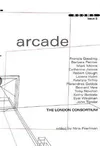
Bibliographies of Catherine James often list a contribution to the 2002 anthology Room 5: Arcade. However, readers should exercise caution here. *Room 5* is an interdisciplinary architectural and art journal focusing on academic themes like urban design, philosophy, and architectural theory. Sources suggest that the contributor "Catherine James" listed in this publication is likely a different academic or architect altogether, mistakenly merged into the author's commercial bibliography by automated listing sites.
What to Know Before You Start
Whether you choose her non-fiction memoir or her historical sagas, Catherine James's books deal with heavy themes. Her works frequently depict childhood neglect, emotional and physical abuse, and the difficulties of navigating hostile environments (whether the Sunset Strip of the 1960s or a Victorian workhouse). Despite the dark subject matter, the tone remains conversational, direct, and ultimately optimistic, emphasizing how spirit and resilience can flourish anywhere—much like a dandelion.