






Where to Start with Catherine Marshall
For readers new to Catherine Marshall’s library, there are two primary entry points depending on whether you prefer fiction or non-fiction. Each starting point introduces you to the core themes of resilience, faith, and historical detail that defined her writing career.
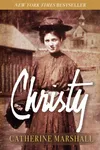
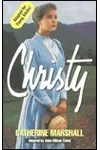
If you want to read her fiction, start with Christy (1967). Inspired by her mother's real-life experiences teaching in the Appalachian mountains in 1912, this landmark novel is widely considered her masterpiece. It serves as the foundation for the entire "Christy of Cutter Gap" universe and provides a rich introduction to her storytelling style.
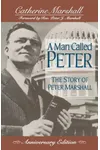
If you prefer non-fiction, start with A Man Called Peter (1951). This bestselling biography of her first husband, U.S. Senate Chaplain Peter Marshall, is a deeply moving story of love, faith, and early tragedy. It established Catherine Marshall as a prominent voice in Christian literature and was adapted into a major film in 1955.
The Christy Universe and Cutter Gap Reading Order
Marshall's 1967 novel Christy was so popular that it eventually expanded into a multi-media franchise, including a 1994 CBS television series and a 12-book young adult series. To experience the full story of Cutter Gap, you should follow this specific sequence:
1. The Original Masterpiece
- Christy (1967): Start here. This is the complete, unabridged novel that introduces nineteen-year-old Christy Huddleston as she leaves her comfortable home to teach in the impoverished community of Cutter Gap, Tennessee.
2. The Christy of Cutter Gap Series (by C. Archer)
Published in the mid-1990s by W Publishing Group (and later reissued by publishers like Gilead Publishing and Evergreen Farm), this 12-book series adapts and extends the events of the original novel for younger readers. While co-credited to Catherine Marshall, these books were written by C. Archer following Marshall's death in 1983. They are best read in their strict publication order:
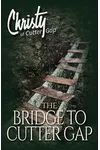
- The Bridge to Cutter Gap (1995): Follows Christy's arrival and her initial challenges in the mountain community.
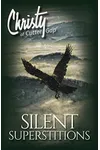
- Silent Superstitions (1995): Explores the clash between modern education and deeply rooted mountain folklore.
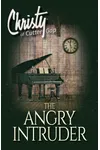
- The Angry Intruder (1995): Details rising tensions and safety concerns in the community.
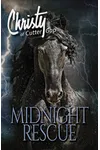
- Midnight Rescue (1995): A high-stakes story of danger and community cooperation.
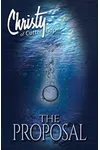
- The Proposal (1995): Focuses on the romantic tensions between Christy, the minister David Grant, and Dr. Neil MacNeill.
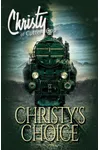
- Christy's Choice (1996): Christy faces a defining decision about her future in Cutter Gap.
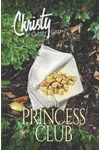
- The Princess Club (1996): Explores friendships, local school dynamics, and social differences.
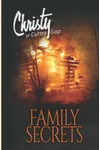
- Family Secrets (1996): Uncovers the hidden pasts of several prominent Cutter Gap families.
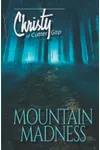
- Mountain Madness (1997): A story of community trial, survival, and faith during winter.
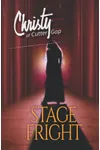
- Stage Fright (1997): Explores self-expression and community entertainment in the mountains.
- Good-bye, Sweet Prince (1997): A touching story of loss and memory.
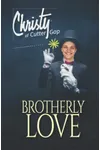
- Brotherly Love (1997): The final book in the YA adaptation, focusing on reconciliation and hope.
Note: In 1995, a two-part young adult adaptation of the original novel was also released (often cataloged as Christy - Adapted for Young Adults). While useful for younger readers, adults should stick to the original 1967 novel before reading the C. Archer books.
Standalone Historical Fiction
Aside from the Christy universe, Catherine Marshall wrote one other major standalone novel:
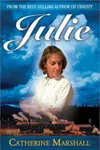
- Julie (1984/1985): Published posthumously, this novel is set during the Great Depression in a flood-prone Pennsylvania steel town. It follows Julie Wallace, an aspiring young writer whose father buys the local newspaper. As Julie uncovers social injustices and the exploitation of immigrant labor, she must confront the powerful steel barons. Like Christy, Julie is an inspiring story of social conscience and personal faith, but it is completely independent and can be read at any time.
The Non-Fiction and Spiritual Journey Reading Order
Catherine Marshall's non-fiction books are deeply autobiographical. Reading them in chronological order allows you to follow her life journey, from her marriage to Peter Marshall, through the grief of his sudden death, to her second marriage to Guideposts editor Leonard LeSourd and her evolving spiritual reflections.
The Early Years and Grief
- A Man Called Peter (1951): The biography of her first husband, detailing their lives together and his sudden passing in 1949.
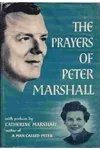
- The Prayers of Peter Marshall (1954): A compilation of her late husband’s most powerful sermons and prayers, which she curated and introduced.
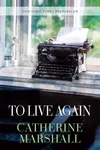
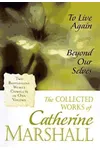
- To Live Again (1957): A sequel of sorts to A Man Called Peter, this memoir describes her journey through intense grief, raising her son as a single mother, and finding a renewed sense of purpose as a professional writer.
The Middle Years and Spiritual Breakthroughs
- Beyond Our Selves (1961): Written after her marriage to Leonard LeSourd, this book details her personal spiritual discoveries, addressing topics like forgiveness, prayer, and trust.
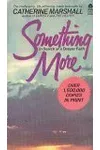
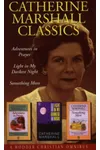
- Something More (1974): A deeper dive into her spiritual journey, addressing hard questions about suffering, healing, and personal breakthroughs.
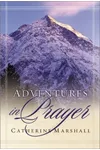
- Adventures in Prayer (1975): A practical, short guide on how to approach prayer with confidence.
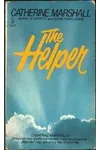
- The Helper (1978): A series of devotions focused on the Holy Spirit, designed to be read over forty days.
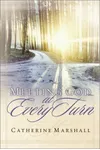
- Meeting God at Every Turn (1980): A spiritual autobiography that looks back at her life's major milestones and how her faith guided her through them.
- My Personal Prayer Diary (1982): A daily devotional and prayer journal compiled shortly before her death.
Posthumous Works and Journals
Following her death in 1983, her husband Leonard LeSourd edited and compiled several volumes from her personal journals, offering an intimate look at her private thoughts:
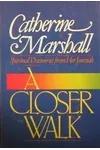
- A Closer Walk (1986): A compilation of her personal diaries, tracing her spiritual battles and reflections over many decades.
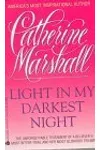
- Light in My Darkest Night (1989): A highly transparent book detailing a period of spiritual darkness and doubt in Marshall's life, and her eventual return to peace.
Practical Reader Advice: What to Know Before You Start
If you are planning to read Catherine Marshall, keep these key points in mind:
Adaptation Differences: The CBS television series Christy starring Kellie Martin is a faithful adaptation of the original 1967 novel's tone but introduces separate storylines that diverge from the YA book series by C. Archer. If you enjoy the show, you will find the original novel deeper and more complex, particularly regarding the romantic resolution, which differs between the novel, the TV show, and the television movies.
The Writer-Editor Partnership: Many of Marshall's later works and almost all posthumous collections were heavily shaped by her second husband, Leonard LeSourd. LeSourd was a seasoned editor at Guideposts, and their collaboration helped bring her unfinished manuscripts (like Julie) and personal journals (like A Closer Walk) to publication. Understanding this partnership explains the editorial consistency across her posthumously released catalogs.