

Where to Start with Cay Rademacher
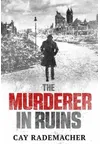
If you are new to the work of German journalist and historical novelist Cay Rademacher, your best starting point is The Murderer in Ruins (Der Trümmermörder), the opening novel of his acclaimed Inspector Frank Stave trilogy. Set in the immediate aftermath of World War II, this trilogy showcases Rademacher's signature blend of meticulously researched history, grim atmosphere, and classic detective work. It is widely considered his masterpiece in English translation.
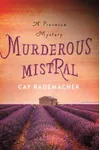
For readers who prefer a contemporary setting with a classic noir feel, the Capitaine Roger Blanc series (also known as the Provence Mysteries) is another excellent starting option. Beginning with Murderous Mistral, this series follows an exiled Paris anti-corruption investigator adapting to the beautiful but deceptively dark landscapes of southern France.
The Inspector Frank Stave Trilogy (Post-WWII Hamburg)
This sequence is best read in strict publication order, which also matches the chronological sequence of events. The books follow Chief Inspector Frank Stave as he navigates a devastated Hamburg occupied by British forces, tackling crimes that reflect the desperate survival tactics of the era.
- The Murderer in Ruins (German: 2011 / English: 2015) – Set during the brutally cold winter of 1947. Stave investigates a series of murders where bodies are left in the city's bombed-out ruins, dealing with starvation, freezing temperatures, and black-market dynamics.
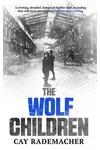
- The Wolf Children (German: 2012 / English: 2017) – Set during the sweltering summer of 1947. Stave looks into the murders of feral, orphaned youth (known as "wolf children") who survive in the city's ruins, exploring the breakdown of post-war social structures.
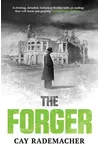
- The Forger (German: 2013 / English: 2018) – Set in the autumn of 1948, just as the new Deutsche Mark currency is introduced. Stave is drawn into the high-stakes world of art forgery and black-market crime, reflecting the changing landscape of Germany's recovery.
The Provence Mystery Series (Capitaine Roger Blanc)
If you want sun-drenched settings contrasting with dark crime, the Capitaine Roger Blanc series is Rademacher's most extensive series. However, English-speaking readers face a major limitation. Only the first two novels have been translated into English, primarily due to the untimely passing of Rademacher's English translator, Peter Millar, in early 2023. No further translations have been announced.
English Releases (In Chronological Order)
- Murderous Mistral (German: 2014 / English: 2018) – Roger Blanc is exiled from Paris to a remote outpost in Provence after investigating the wrong politicians. He is quickly pulled into a murder investigation that exposes local corruption.
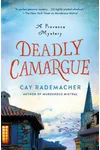
- Deadly Camargue (German: 2015 / English: 2020) – Blanc investigates the mysterious death of an oil company executive's daughter in the Camargue wetlands, navigating local traditions, environmental conflicts, and regional secrets.
Subsequent German-Language Releases
For bilingual readers or those interested in the scope of the series, the German sequence continues chronologically as follows:
- Brennender Midi (2016)
- Gefährliche Côte Bleue (2017)
- Dunkles Arles (2018)
- Verhängnisvolles Calès (2019)
- Verlorenes Vernègues (2020)
- Schweigendes Les Baux (2021)
- Geheimnisvolle Garrigue (2022)
- Stille Sainte-Victoire (2023)
- Unheilvolles Lançon (2024)
- Rätselhaftes Saint-Rémy (2025)
- Bedrohliche Alpilles (2026)
Standalone Historical Fiction
Rademacher also writes standalone historical mysteries. While highly popular in Germany, their English releases remain limited. His most notable recent standalone is Die Passage nach Maskat (2022), often referred to in English listings as The Passage to Muscat. Set in 1929, the novel follows a traumatized WWI veteran and journalist, Theodor Jung, on an ocean liner heading to Oman, whose wife disappears mid-voyage in a suspenseful locked-room style mystery resembling Agatha Christie's works.
What to Know Before You Start
Before diving into Rademacher's works, it helps to understand his background as a historian and journalist. He worked for Geo magazine and helped launch the history publication Geo-Epoche. Consequently, his novels prioritize historical accuracy and atmospheric realism over fast-paced action. The Frank Stave trilogy, in particular, does not shy away from the moral ambiguities of post-war Germany, showing how ordinary citizens, Allied soldiers, and former Nazi officials interact in a shattered society. Reading these books in order is crucial because Stave's personal life, emotional healing, and relationship with the British authorities develop significantly across the three books.