

Where to Start Reading Charles Cranston Jett
Charles Cranston Jett is a uniquely versatile author whose writing spans across entirely different genres. Because his bibliography includes historical fiction, military memoir, and professional career development guides, your best starting point depends entirely on what you want to read. There is no single overarching reading order that connects all of his books, but his individual series and categories have clear entry points.
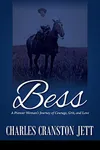
If you prefer narrative fiction, you should start with his historical fiction duology, the Bess Parker series, beginning with the first book, Bess. If you are a fan of military history or Cold War stories, your starting point is his standalone memoir, Super Nuke!. For readers looking for professional growth or educational theory, beginning with The DOOM LOOP! or WANTED is highly recommended.
The Bess Parker Series: Historical Fiction
The Bess Parker books form Jett's only multi-volume narrative fiction series. Set in the early 20th century, the books follow a young woman forging her own path as a homesteader in North Dakota. The series is best read in strict publication order, which also matches the chronological timeline of the protagonist's life.
Recommended Reading Order for the Bess Parker Series:
- Bess: A Pioneer Woman's Journey of Courage, Grit and Love (2016) – Introduces Bess Parker in 1908 as she decides to leave her conventional life behind to claim a homestead in southwestern North Dakota.
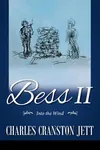
- Bess II: Into the Wind (2018) – Continues the story as Bess and her partner, Ann, navigate the harsh realities, social trials, and rewarding moments of life in the early American West.
These two novels should not be read out of order, as the second book directly builds on the character relationships, survival challenges, and personal growth established in the first volume.
Super Nuke!: Cold War Submarine Memoirs
For military history enthusiasts, Charles Cranston Jett's most famous work is his primary memoir:
- Super Nuke! A Memoir About Life as a Nuclear Submariner (2016)
This book draws directly from Jett's real-life service aboard the USS Ray (SSN653) during the height of the Cold War. As a graduate of the U.S. Naval Academy under Admiral Hyman Rickover's strict nuclear program, Jett shares unclassified insights into submarine operations, technical innovations, and the daily camaraderie and tensions of the crew. It stands on its own and requires no prior reading, though it provides excellent context for Jett's structured approach to career coaching and skills development.
Non-Fiction and Career Development Systems
Jett's career guides and educational books do not follow a narrative order and can be read independently. However, they share a common theme: providing practical frameworks to help individuals succeed in their careers and lives. Reading them in the following order allows you to build from career planning concepts to core execution skills:
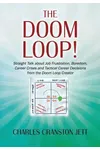
1. The DOOM LOOP! (2014)
Subtitled Straight Talk about Job Frustration, Boredom, Career Crises and Tactical Career Decisions, this book focuses on a 2x2 career evaluation matrix that Jett created in the 1970s. It helps readers identify why they feel stuck in their jobs and guides them through making strategic career changes.
2. WANTED: Eight Critical Skills You Need To Succeed (2014)
Once you understand your career trajectory via the Doom Loop framework, this book outlines the specific skills you need to excel. Jett argues that vital skills like critical thinking, communication, time management, and execution are rarely taught effectively in formal education, and offers a blueprint to master them.
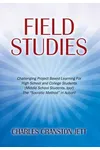
3. Field Studies: Challenging Project Based Learning (2015)
For educators, students, or managers, this book expands on how to acquire and apply critical skills. It proposes a model for "field studies," which are structured, real-world projects supervised by advisors, designed to bridge the gap between academic theory and practical work experience.
What to Know Before You Start
When starting Charles Cranston Jett's books, it is helpful to keep a few things in mind:
- Diverse Themes: Jett writes with the technical precision of a nuclear engineer and the empathy of a novelist. Expect highly detailed, logical structures even in his historical fiction and memoirs.
- Standalone Nature: Except for the Bess Parker duology, all of Jett's works are self-contained. You can dive into his memoir or his career books in any order you choose.
- Real-World Foundations: Jett's military background heavily influences his non-fiction. The leadership lessons and strategic thinking he developed during his submarine days form the bedrock of his career coaching advice.