
How to Read Charlotte Nicole Davis's Books
For readers diving into the work of Charlotte Nicole Davis, the path is straightforward but highly rewarding. Since her primary body of work consists of a tightly plotted young adult fantasy duology, you should read these books in their exact order of publication, which also matches the internal chronological order of the story. Reading them out of sequence will ruin the major plot developments, character arcs, and world-shifting events of the first book.
Here is the recommended reading path for her main series:
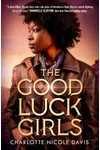
- The Good Luck Girls (2019)
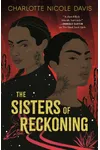
- The Sisters of Reckoning (2021)
In addition to her main duology, Davis has published several standalone short stories in highly acclaimed speculative fiction anthologies. These stories are set in independent universes and can be read at any point, though reading them in order of release offers a wonderful look at her growth as a writer of diverse, thought-provoking fiction.
The Good Luck Girls Duology
Davis's signature work is set in the fictional territory of Arketta, a harsh land that echoes the post-Civil War American West but is infused with fantastical, dark elements. The story follows a group of young women fighting against systemic oppression and fighting for their own survival.
1. The Good Luck Girls (2019)
The story begins with Aster, Violet, Tansy, Mallow, and Clementine—five girls sold to a "welcome house" as children and branded with cursed, magical tattoos that mark them as property. Known mockingly as "Good Luck Girls," they are expected to lead lives of quiet servitude. However, when Clementine accidentally kills a client in self-defense, the five girls are forced to flee into the treacherous wild. They embark on a high-stakes escape across Arketta, pursued by ruthless bounty hunters and terrifying, mind-altering beasts called raveners, in search of a legendary lady who can remove their brands and grant them true freedom.
2. The Sisters of Reckoning (2021)
Picking up where the first book left off, the sequel escalates the conflict from a desperate survival run into a full-scale social rebellion. Aster and her companions are no longer just running; they are organizing. Aster leads a bold plan to liberate all "dustbloods"—the oppressed underclass of Arketta who are subjected to harsh labor and brutality. The story blends thrilling bank robberies, daring jailbreaks, and outlaw tactics with a deep, emotional exploration of what it costs to lead a revolution and heal from shared trauma.
Anthologies and Short Stories
Beyond the borders of Arketta, Charlotte Nicole Davis has contributed engaging short fiction to several themed young adult anthologies. These pieces showcase her versatility across science fiction, horror, and magical realism.
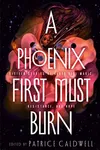
- "All the Time in the World" in A Phoenix First Must Burn: 16 Stories of Black Girl Magic, Resistance, and Hope (2020) – Written in an immersive second-person perspective, this story follows a Black teenager who discovers she can freeze time after being exposed to contaminated water in her community. It is a powerful allegory for environmental racism and personal empowerment.
- "Cadence" in Tasting Light: Ten Science Fiction Stories to Rewire Your Perceptions (2022) – A science fiction story focusing on a nonbinary teenager who undergoes a procedure to modify their voice, only to encounter someone with a deep, unexpected connection to the voice donor.
- "Foxhunt" in The Black Girl Survives in This One: Horror Stories (2024) – A tense horror story about a high school girl who finds herself cast as the prey in a deadly, stylized game that draws direct parallels to the historical horrors of chattel slavery.
What to Know Before You Start
Before stepping into Charlotte Nicole Davis's books, it helps to understand the unique blend of genres she employs. While the duology is marketed as young adult fantasy, it reads heavily like a classic Western, complete with dusty frontier towns, outlaws, train robberies, and saloon standoffs. However, this is combined with speculative magic, ghost-like spirits called vengeants, and dystopian control systems.
Readers should also be prepared for heavy themes. Davis does not shy away from depicting the psychological and physical realities of trauma, exploitation, class divisions, and systemic racism. Her world-building draws deliberate inspiration from real American history, including sharecropping, convict leasing, and redlining. Despite these dark themes, the tone of the books remains hopeful, focusing on the power of sisterhood, collective action, and finding light in the darkest corners of the frontier.