



Where to Start with Chester Himes
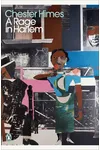
If you are looking to dive into Chester Himes’s works, your entry point depends on the style of writing you wish to explore. For hardboiled, gritty crime fiction mixed with dark humor and social satire, you should start with the Harlem Cycle (also known as the Coffin Ed Johnson and Grave Digger Jones series). The ideal starting point here is the very first book Himes wrote for the series, A Rage in Harlem (originally published in 1957 as For Love of Imabelle). It introduces you to the chaotic, vibrant world of Harlem and the legendary, no-nonsense detective duo.
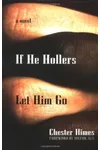
If you prefer powerful, raw social realism and literary fiction, his debut standalone novel, If He Hollers Let Him Go (1945), is the perfect choice. It paints a tense and unforgettable portrait of a Black shipyard worker in Los Angeles during World War II, dealing with daily racial discrimination and existential anxiety. Both pathways showcase Himes's brilliant, uncompromising voice, but they offer completely different reading experiences.
The Harlem Cycle (Coffin Ed & Grave Digger Jones Series)
The Harlem Cycle is Chester Himes's most famous contribution to literature. These books follow detectives Grave Digger Jones and Coffin Ed Johnson as they patrol the streets of Harlem, solving bizarre crimes and keeping the peace in a community facing systemic neglect. The books were originally commissioned by French publisher Gallimard for their famous Série Noire line, which explains why they lean so heavily into the hardboiled noir style.
While the cases themselves are standalone and you can read the books out of order without losing track of the plot, we highly recommend reading them in publication order. This allows you to experience the evolution of Himes's writing style, which shifts from relatively traditional crime narratives to increasingly chaotic, absurd, and violent social commentaries, culminating in the apocalyptic, unfinished final book, Plan B.
Harlem Detective Series in Recommended Publication Order
- A Rage in Harlem (1957) – Originally published under the title For Love of Imabelle. This book sets the tone for the series, starting with a gold-mining scam that goes horribly wrong and forces the detectives to intervene.
- The Real Cool Killers (1958) – A fast-paced mystery that begins with the murder of a white man in a Harlem bar, introducing a gang of street youth called the Real Cool Moslems.
- The Crazy Kill (1959) – A highly atmospheric entry where a thief falls into a bread basket from a three-story window, triggering a sequence of mysterious murders that Coffin Ed and Grave Digger must untangle.
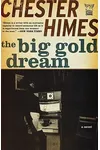
- The Big Gold Dream (1959) – Focuses on religious scams and the greed that consumes a neighborhood after a woman wins a large sweepstakes. Note that Coffin Ed and Grave Digger only play minor supporting roles in this book.
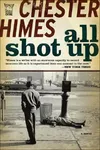
- All Shot Up (1960) – A fast and violent novel dealing with corrupt politicians, stolen money, and the detectives navigating a cold winter in New York.
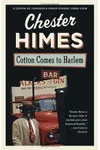
- Cotton Comes to Harlem (1964) – Centers on a back-to-Africa scam run by a charismatic preacher and a bale of cotton stuffed with stolen cash. It was adapted into a hit film in 1970.
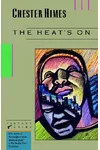
- The Heat's On (1966) – Also known or published under the title Come Back Charleston Blue. This entry features some of the most intense action in the series, involving heroin smuggling, dwarf actors, and a massive body count.
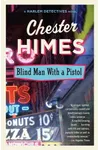
- Blind Man with a Pistol (1969) – Also published as Hot Day, Hot Night. This is the last completed novel in the cycle, presenting Harlem as a pressure cooker of racial tension, riots, and unresolvable confusion. The detectives are left powerless in the face of systemic chaos.
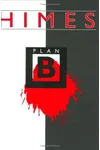
- Plan B (1993) – Published posthumously, this is Himes's unfinished final novel. It transforms the series into an explicit tale of racial revolution and apocalypse, providing a devastating, tragic conclusion to the saga of Grave Digger and Coffin Ed.
Stand-alone Novels and Where They Fit
Himes was a prolific writer who produced remarkable stand-alone novels outside of his detective series. These books range from gritty protest literature to domestic dramas and biting satire. Knowing the background of these novels will help you appreciate Himes's versatility.
- If He Hollers Let Him Go (1945) – His debut novel, focusing on the psychological toll of racism on Bob Jones over the course of just four days. It remains one of his most critically acclaimed works.
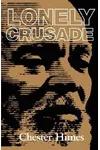
- Lonely Crusade (1947) – Another intense racial and political drama set in Los Angeles, dealing with union organizing, communism, and racial conflict.
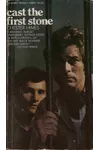
- Cast the First Stone (1952) / Yesterday Will Make You Cry (1998) – Written during Himes's imprisonment, this semi-autobiographical novel is a masterpiece of prison literature. The 1952 edition, Cast the First Stone, was heavily censored and altered by the publisher. In 1998, the uncensored version was published as Yesterday Will Make You Cry, restoring Himes's original raw text, including details about homosexuality and prison corruption. Always opt for the 1998 restored edition if you can.
- Third Generation (1954) – An autobiographical family drama exploring colorism, class aspirations, and domestic conflict within a Black family.
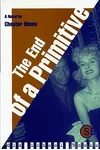
- The End of a Primitive (1956) – A bitter, dark comedy about the destructive relationship between a Black writer and a white woman.
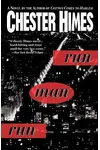
- Run Man Run (1960) – While this novel is a crime thriller set in Harlem, it does not feature Grave Digger Jones or Coffin Ed Johnson. Instead, it tells the story of a Black night watchman fleeing for his life after witnessing a racist white police officer commit murder. It is a brilliant standalone suspense novel.
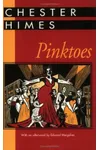
- Pinktoes (1961) – Published by the notorious Olympia Press in Paris, this is a highly satirical, erotic comedy mocking the hypocrisy of interracial social circles and racial integration campaigns in the 1950s.
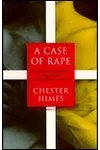
- A Case Of Rape (1963) – A bleak and cynical novel set in Paris, reflecting Himes's expatriate experience. It details the trial of four Black Americans accused of raping a white woman, serving as a harsh critique of European racism.
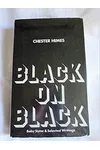
- Black On Black (1973) – A unique compilation of Himes's short stories, articles, and essays, charting his views on Black American life.
Autobiographies and Short Stories
To fully understand Chester Himes’s dark worldview and the themes of his fiction, his non-fiction is essential reading. He wrote a two-volume autobiography that captures his difficult youth, his prison years, and his self-imposed exile to Europe.
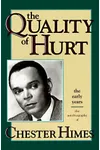
- The Quality of Hurt (1997 / originally 1972) – The first volume of his autobiography, covering his early life, his imprisonment, his initial literary career, and his decision to leave the United States.
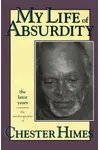
- My Life of Absurdity (1990 / originally 1976) – The second volume, detailing his years as an expatriate in Paris and Spain, his encounters with other Black writers like Richard Wright and James Baldwin, and the creation of his famous detective cycle.
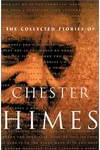
- The Collected Stories of Chester Himes (1991) – A comprehensive volume of short stories written throughout his career, including many stories written during his prison term that launched his writing career.
What to Know Before You Start
Before reading Chester Himes, it helps to keep a few historical and stylistic contexts in mind:
The Expatriate Context: After struggling to find success and escaping systemic racism in America, Himes moved to Paris in 1953. When publisher Marcel Duhamel asked him to write a detective novel for Gallimard's Série Noire, Himes did it primarily for the money. Writing from Europe gave him a unique, detached perspective on the American racial landscape, allowing him to paint Harlem with a mix of nostalgic detail and grotesque exaggeration.
Tone and Style: Himes's work is famously characterized by what he called "absurdity." The violence in his books is often sudden, extreme, and accompanied by dark, surreal humor. If you are expecting a traditional, cozy detective mystery where order is restored at the end, you will be surprised. Himes's Harlem is a place of chaos where justice is rare, and the detectives often have to use brutal methods just to survive.
Adaptations: If you enjoy the books, you should check out the film adaptations from the blaxploitation era. The 1970 film adaptation of Cotton Comes to Harlem, directed by Ossie Davis, is a classic of the genre. Its sequel, Come Back, Charleston Blue (1972), was based on The Heat's On and features a memorable soundtrack by Donny Hathaway.