
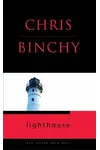
Who is Chris Binchy?
For readers familiar with the warm, community-focused, and comforting stories of the late Irish literary legend Maeve Binchy, the name Binchy carries distinct expectations. However, her nephew Chris Binchy has carved out a unique space in contemporary Irish fiction. Far from the nostalgic, cozy rural settings of his aunt's work, Chris Binchy writes about the realistic, sometimes cynical, and always vibrant reality of modern urban Dublin. Born in 1970, Binchy lived in New York and worked in various jobs—including as a restaurant reviewer and sushi chef—before dedicating himself to writing. His work captures the rapid transformations of Ireland during the 'Celtic Tiger' economic boom and its aftermath, making him a essential voice for anyone looking to understand contemporary Irish society.
Recommended Starting Points
Because Chris Binchy's bibliography consists of standalone contemporary novels rather than a continuous chronological series, you can technically start anywhere. However, depending on what type of reader you are, we recommend two distinct entry points:
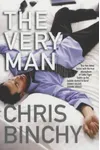
- For the Best Overview of His Style: Start with his debut novel, The Very Man (2003). It is the perfect introduction to Binchy's signature style—brief, incisive, and deeply rooted in the shifting atmosphere of Dublin as it transitioned into a globalized economic hub. It was shortlisted for the prestigious Irish Novel of the Year Award.
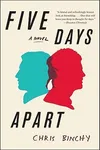
- For Relationship Drama Fans: Start with Five Days Apart (2010). This was Binchy's first U.S. publication and represents his most mature and emotionally resonant work, focusing on a complex love triangle and the decay of a lifelong male friendship.
Publication Order of Standalone Novels
Reading Chris Binchy's novels in order of publication allows you to witness both the thematic evolution of his writing and the real-time social history of Dublin from the early 2000s to the post-boom era.
1. The Very Man (2003)
Binchy's debut follows Rory, a young Irishman who returns home to Dublin after living a fast-paced, high-earning life in New York City. Rory returns initially to bury his mother, but he soon finds himself struggling to readapt to a changing city. Reconnecting with old friends who expect him to be the same person he was before he left, Rory's life begins to spiral. After losing his job, his flat, and his relationship, Rory must find a path to grounding and redemption. The novel is widely praised for its authentic dialogue and its sharp-eyed portrait of Celtic Tiger Dublin.
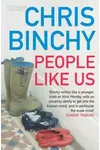
2. People Like Us (2004)
In his second novel, Binchy shifts his focus to the Dublin suburbs and the anxieties of middle-class family life. The story centers on Paul, who relocates his family to a larger home on the outskirts of Dublin, hoping the extra space and clean air will resolve household tensions. Instead, Paul is consumed by paranoia and suspicion regarding his new neighbors, specifically a fearful man named Joe Mitchell and a mysterious group of youths hanging around his house. As his daughter grows increasingly secretive, Paul's attempts to protect his family lead to escalating conflict, offering a tense look at suburban isolation.
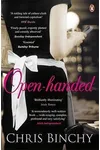
3. Open-Handed (2008)
Open-Handed is Binchy's most ambitious structural work, weaving together the lives of five distinct characters in contemporary Dublin. The narrative features two Irish characters and three Eastern European immigrants, representing the multicultural reality of 2000s Ireland. As their paths cross through ambition, desperation, and circumstance, they become entangled in a dark web of real estate speculation, local politics, sexuality, and violence. It is a gritty, unvarnished look at the social costs of Ireland's economic boom.
4. Five Days Apart (2010)
Often described as a modern-day, Dublin-set take on Cyrano de Bergerac, this novel explores the breakdown of a lifelong friendship between David and Alex. David is a quiet, decent, and tongue-tied man who struggles to express his feelings to Camille, the woman he loves. In desperation, he turns to his charismatic, smooth-talking friend Alex for help. The decision backfires, sparking a bitter rivalry that tests the limits of loyalty, romance, and irreversible choices.
The Open Door Contribution
In addition to his full-length novels, Binchy contributed a novella to a unique Irish publishing project:
Lighthouse (2008)
Published by New Island Books, Lighthouse was written as part of the Open Door Series. This series consists of short novellas (usually under 10,000 words) written by bestselling Irish authors using simple language, designed to help adult literacy learners and emerging readers build reading confidence. Binchy's contribution follows a young boy coping with a troubled home life and an absent father by sniffing petrol in the garden shed—a poignant, brief, and raw slice-of-life story.
What to Know Before You Start
If you are coming to Chris Binchy expecting the warm, uplifting community dynamics of Maeve Binchy, you may find his tone surprisingly dark and introspective. Chris Binchy writes with a spare, Nick Hornby-esque brevity. His characters are often deeply flawed, make poor decisions, and must live with the consequences of bad timing. His novels don't always offer tidy, happy endings, but they provide a highly authentic, beautifully written, and realistic window into the modern Irish soul.