
The Recommended Reading Order for Chris Weitz
If you are looking to explore the literary side of filmmaker and author Chris Weitz, the best place to start is his young adult dystopian trilogy, The Young World. Unlike authors with sprawling universes and multiple entry points, Weitz's primary contribution to fiction is a single, tightly knit series that must be read in chronological order. Reading the books out of sequence will ruin the survival mystery and the character arcs that span the entire story.
Here is the recommended reading path for his books:
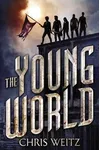
- The Young World (2014)
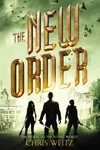
- The New Order (2015)
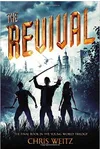
- The Revival (2016)
Understanding The Young World Trilogy
In The Young World, Weitz presents a bleak, high-concept post-apocalyptic setting: a mysterious disease known simply as "the Sickness" has wiped out the entire adult and child population of the globe. Only teenagers have survived, but they face a terrifying countdown—the moment they transition out of their teens and reach adulthood, the Sickness claims them too. Set in a decaying New York City, the survivors group themselves into tribal clans based on their former high school cliques, neighborhoods, or interests, struggling daily for resources, safety, and a potential cure.
1. The Young World (2014)
The trilogy opens with the titular novel, introducing readers to the survivors living in the relative safety of the grand Metropolitan Museum of Art. The story is told through alternating perspectives: Jefferson, the reluctant, thoughtful leader of the Met tribe, and Donna, a sharp-witted, self-reliant survivor who provides a cynical but realistic counterpoint to Jefferson's idealism. When a rumor emerges that a cure might exist, a small team sets out across the dangerous, gang-ridden ruins of Manhattan on a quest that will decide the fate of humanity.
2. The New Order (2015)
Following the harrowing events of the first book, the survivors find themselves fractured and facing new threats. The New Order shifts the setting away from the familiar ruins of Manhattan as the characters seek refuge and answers in a seemingly secure compound. However, they quickly discover that this new refuge harbors dark secrets and a rigid, authoritarian social structure that might be even more dangerous than the lawless streets of New York. The countdown to their eighteenth birthdays continues to loom over every decision.
3. The Revival (2016)
The trilogy reaches its action-packed conclusion in The Revival. With time running out and the Sickness threatening to claim the remaining main characters as they age, the stakes are elevated to a global scale. The survivors must unite competing factions, make ultimate sacrifices, and finally uncover the truth behind the origin of the Sickness if they hope to secure a future for the human race. Weitz wraps up the narrative with the cinematic pacing and emotional beats characteristic of his Hollywood background.
The Newmarket Shooting Script Books: Fact vs. Fiction
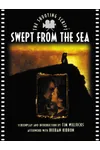
For readers researching Chris Weitz's bibliography on automated database websites, a common point of confusion is the inclusion of the 1999 book Swept from the Sea: The Shooting Script. Published by Newmarket Press as part of their famous screenplay series, this book contains the screenplay for the 1997 film Swept from the Sea (based on Joseph Conrad's short story "Amy Foster").
However, public records and publication credits confirm that this screenplay was actually written by Tim Willocks and directed by Beeban Kidron. The inclusion of this book under Chris Weitz's literary profile is an automated database indexing error. Weitz was not involved in the writing or production of that film.
If you are interested in reading Weitz's actual published screenplay work, you should instead look for About a Boy: The Shooting Script (published in 2002 by Newmarket Press). Chris Weitz co-wrote this Academy Award-nominated screenplay with his brother, Paul Weitz, and Peter Hedges. The published book is highly recommended for film buffs as it contains the complete facsimile script, production notes, and a detailed co-written introduction by the Weitz brothers.
What to Know Before You Start
Before diving into Chris Weitz's books, keep these helpful details in mind:
- Cinematic Pacing: Because Weitz is a seasoned screenwriter and director (known for About a Boy, The Twilight Saga: New Moon, and Rogue One: A Star Wars Story), his novels read like movies on the page. The action is visual, the chapter hooks are strong, and the dialogue is sharp and conversational.
- Dual Narrators: The books rely heavily on alternating perspectives between Jefferson and Donna. Pay attention to how their distinct voices reflect different coping mechanisms in the face of societal collapse.
- Gritty YA Themes: While the premise of teenagers surviving on their own sounds similar to traditional YA fare, the trilogy features intense survival scenarios, violence, and mature themes suitable for older teens and adults.