








Where Should You Start Reading Christopher Isherwood?
For most readers, there are two ideal entry points into Christopher Isherwood's literary world, depending on which era of his life and writing style you wish to explore first:
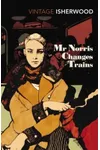
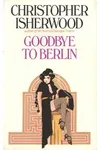
- The Berlin Period (Recommended): Start with The Berlin Stories, which is the collective name for his two interconnected novellas: Mr. Norris Changes Trains (1935) and Goodbye to Berlin (1939). These works capture the decadence, eccentricity, and looming political dread of the Weimar Republic on the brink of Nazi rule. It is highly recommended to read Mr. Norris Changes Trains first, followed by Goodbye to Berlin, to appreciate the thematic progression and darkening atmosphere.
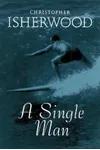
- The American Period: If you prefer a tight, emotionally resonant, and modern standalone novel, start with A Single Man (1964). Widely considered a landmark masterpiece of gay literature, it follows a single day in the life of George, an English professor grieving the sudden death of his partner in Southern California. It is a slim, deeply moving novel that showcases Isherwood's prose at its absolute peak.
The Berlin Stories: Recommended Reading Order
Isherwood's most famous legacy is his depiction of 1930s Berlin. While they can technically be read as standalones, reading them in their original publication order offers the best experience:
- Mr. Norris Changes Trains (1935): Narrated by William Bradshaw (a stand-in for Isherwood using his middle names), this novel introduces readers to the Berlin underworld through the narrator's friendship with the highly eccentric, wig-wearing, and politically duplicitous Arthur Norris.
- Goodbye to Berlin (1939): Written as a series of interconnected character sketches and diary entries, the narrator here goes by Christopher Isherwood himself. This volume features the iconic character of Sally Bowles, an English cabaret singer who inspired the famous stage and screen musical Cabaret.
Together, these two books form The Berlin Stories (frequently published together as a single omnibus). They share recurring minor characters and settings—such as their colorful landlady Fräulein Schroeder—and chart the rise of fascism from a casual background nuisance to a terrifying, inescapable reality.
The Autobiographical Puzzle: Fiction vs. Memoir
A major challenge for new readers is navigating the fluid boundary between Isherwood's fiction and his actual life. He frequently recycled the same periods of his life across different formats. Understanding how these works relate to one another is key to enjoying his bibliography:
The Formative Years
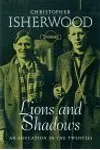
- Lions and Shadows: An Education in the Twenties (1938): Described by Isherwood as an "autobiographical novel," he famously asked readers to "read it as a novel." It covers his youth, his time at Cambridge, and his early attempts to become a writer. While the characters are based on real friends—such as W.H. Auden (called Hugh Weston) and Edward Upward (called Allen Chalmers)—their names were changed, and details of Isherwood's homosexuality were entirely omitted due to the social and legal constraints of the 1930s.
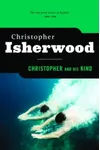
- Christopher and His Kind (1976): Written decades later as an explicit, unvarnished memoir, this book acts as a direct correction to his Berlin-era fiction and Lions and Shadows. Writing about his younger self in the third person ("Christopher"), the older Isherwood strips away the fictional aliases and self-censorship, detailing his life in the Berlin gay subculture, his relationship with his German partner Heinz Neddermeyer, and the historical reality behind the characters in Goodbye to Berlin.
Chronological Cross-Reference Guide
If you want to compare his fictionalized accounts with his factual memoirs, read them in pairs:
- Read Lions and Shadows (fictionalized youth) alongside the first volume of the Diaries or his parents' biography Kathleen and Frank (1971).
- Read The Berlin Stories (fictionalized Weimar Berlin) immediately followed by Christopher and His Kind (the factual memoir of the exact same decade).
- Read Down There on a Visit (1962), a novel structured in four distinct chronological sections spanning 1928 to 1954, which acts as a bridge between his early European adventures and his later American life.
Collaborations and Screenplays
Isherwood was an active collaborator throughout his career. Readers should look out for these notable joint efforts:
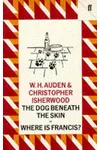
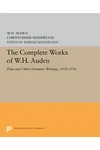
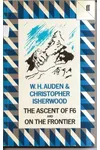
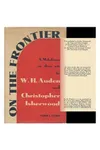
- The Auden Plays: In the 1930s, Isherwood and his close friend, poet W.H. Auden, co-authored three landmark verse dramas: The Dog Beneath the Skin (1935), The Ascent of F6 (1936), and On the Frontier (1938). They also co-wrote Journey to a War (1939), a travel diary documenting their experiences during the Second Sino-Japanese War.
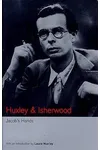
- Collaborations with Aldous Huxley: While living in Hollywood, Isherwood befriended Aldous Huxley. Together they wrote Jacob's Hands (originally written in 1944 as a screen treatment about a faith healer). The story remained lost for decades until it was published in 1998.
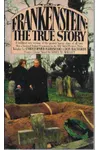
- Frankenstein: The True Story (1973): Co-written with his longtime partner, artist Don Bachardy, this teleplay adaptation of Mary Shelley's classic is famous for injecting psychological depth and a subtle homoerotic subtext into the relationship between Victor Frankenstein and the Creature. A companion novelization was published the same year.
The Vedanta Phase: Spiritual Writings
In 1939, Isherwood moved to California, where he embraced Hinduism and became a dedicated disciple of Swami Prabhavananda. This spiritual journey significantly influenced his later life and output:
- Translations: He collaborated with Prabhavananda on a highly regarded, accessible English translation of The Song of God: Bhagavad-Gita (first published in the mid-1940s, with later editions matching 2020 in the database).
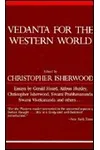
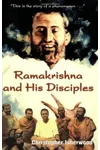
- Vedanta Non-Fiction: He wrote and edited several books explaining Eastern philosophy to Western readers, including Vedanta for the Western World (1960), Approach to Vedanta (1963), and the biography Ramakrishna and His Disciples (1965).
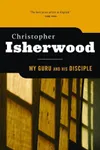
- My Guru and His Disciple (1980): This memoir details his relationship with Swami Prabhavananda and the struggle to balance his Hollywood lifestyle and identity as a gay man with his monastic, spiritual aspirations.
What to Know Before You Start
When browsing Isherwood's bibliography, keep these database quirks and publication caveats in mind:
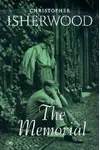
- The Memorial (1932): Although occasionally cataloged under non-fiction in digital databases, The Memorial: Portrait of a Family is actually Isherwood's second novel. It uses a non-linear, fragmented structure to depict the psychological wounds inflicted on an English family by World War I.
- Standalones vs. Memoirs: Works like Lions and Shadows, Kathleen and Frank, and My Guru and His Disciple blur the lines of genre. It is best to treat his non-fiction memoirs as essential companion pieces that enrich the themes of his novels.
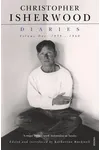
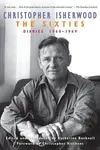
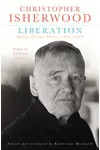
- Posthumous Diaries: To get the most intimate look at Isherwood's life, his extensive diaries have been published posthumously in three major volumes: Diaries: Volume 1 (1939-1960), The Sixties: Diaries Volume Two (1960-1969), and Liberation: Diaries Volume Three (1970-1983). They are best read after you are already familiar with his primary novels.