



Where to Start with Christopher Kimball’s Cookbooks
Unlike fiction authors, culinary pioneer Christopher Kimball does not write chronological stories with a continuous narrative arc. Instead, his books represent a decades-long evolution in home cooking philosophy. His extensive bibliography can be divided into two main eras: the Classic Home Cooking Era (associated with Cook's Illustrated and America's Test Kitchen) and the Milk Street Era (associated with his current global culinary venture).
For readers deciding which book to pick up first, the best starting point depends entirely on your cooking style and culinary goals:
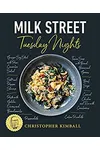
- For Busy Home Cooks & Quick Weeknight Meals: Start with Milk Street: Tuesday Nights (2018). This James Beard Award-winning collection is designed for fast, flavor-packed meals that can be put together on a weeknight, utilizing clever shortcuts and global pantry ingredients.
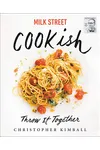
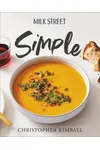
- For Culinary Beginners: Start with Milk Street Simple (2023) or Cookish (2020). These books focus on recipes with minimal ingredients and straightforward preparation steps to demystify cooking techniques.
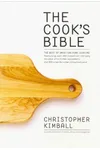
- For Science and Technique Enthusiasts: Start with The Cook's Bible: The Best of American Home Cooking (1996). Written during his classic era, this book takes a deep dive into the science of why recipes work, showing how meticulous testing leads to perfect traditional dishes.
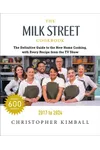
- For the Ultimate Reference Guide: Go with The Milk Street Cookbook (2023) or Milk Street 365 (2024). These comprehensive compendiums serve as all-in-one kitchen reference manuals containing hundreds of tested recipes.
Publication Order of Milk Street Books
Following his high-profile split from America’s Test Kitchen in 2015, Christopher Kimball launched Milk Street in 2016. The cookbooks published under this brand mark a shift away from traditional New England cooking toward a global, technique-driven approach that uses bold spices, acidity, and textures to build flavor quickly. Below is the publication order of books in the Milk Street series:
- Tuesday Nights (2018) – Focuses on quick, flavor-forward weeknight dinners divided by preparation time (fast, faster, fastest).
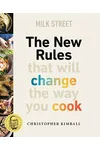
- The New Rules (2019) – Explains how to change your approach to cooking using simple principles adapted from international culinary traditions.
- Fast and Slow (2020) – Tailored for multicookers and Instant Pots, showing how to balance pressure cooking and slow cooking.
- Cookish (2020) – A recipe collection highlighting bold flavors using six ingredients or fewer.
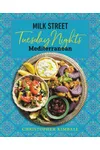
- Tuesday Nights Mediterranean (2021) – Applies the quick-prep weekday logic of the original Tuesday Nights to the ingredients of the Mediterranean.
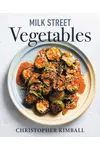
- Vegetables (2021) – A comprehensive guide focusing on highlighting vegetables as main dishes and flavorful sides using global techniques.
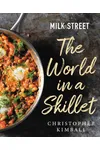
- The World in a Skillet (2022) – Concentrates on one-pan meals that minimize cleanup while maximizing flavor depth.
- Cook What You Have (2022) – A resource for pantry-based cooking, teaching readers how to construct meals from everyday staples.
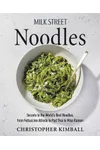
- Noodles: Secrets to the World’s Best Noodles (2023) – Explores regional noodle preparations from Italian pastas to Asian ramen and stir-fries.
- Milk Street Simple (2023) – Features streamlined recipes designed for minimal effort and high culinary reward.
- The Milk Street Cookbook (2023) – A massive compilation gathering the definitive recipes from the first several years of the Milk Street television show.
Publication Order of Non-Fiction & Classic Cookbooks
Before Milk Street, Kimball spent decades editing magazines, hosting television programs, and writing books that established him as a premier authority on American home cooking. These works tend to focus on perfecting classics, understanding the chemistry of baking, and documenting regional culinary history. Below is the publication order of his standalone books and non-fiction works:
- The Cook's Bible: The Best of American Home Cooking (1996) – A foundational reference work explaining the rules of classic American culinary techniques.
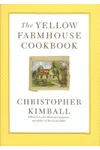
- The Yellow Farmhouse Cookbook (1998) – A nostalgic, practical exploration of country cooking inspired by his Vermont farmhouse.
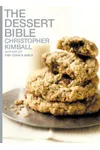
- The Dessert Bible (2000) – An exhaustive guide to baking, cookies, pastries, and cakes, highlighting the science of sweet treats.
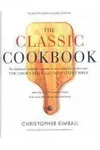
- The Classic Cookbook: The Best of American Home Cooking (2002) – A follow-up volume containing refined versions of traditional recipes.
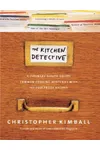
- The Kitchen Detective (2003) – Explores the answers to common kitchen queries, testing variables like pan materials and ingredient substitutions.
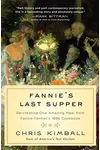
- Fannie's Last Supper (2010) – A unique narrative history book tracking Kimball’s project to recreate a twelve-course Victorian Christmas feast based on the work of Fannie Farmer.
- Slow Cooker Revolution - Favorites from the Best Selling Cookbook (2013) – A collection of tested recipes demonstrating how to get the most out of slow cookers.
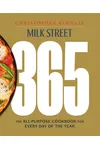
- Milk Street 365 (2024) – A comprehensive collection designed to be used every day of the year, bridging his classic thoroughness with modern global flavors.
Understanding the Culinary Shift: ATK vs. Milk Street
To fully appreciate Christopher Kimball’s cookbook catalog, it is useful to understand the dramatic philosophical shift that occurred when he founded Milk Street in 2016. Under America's Test Kitchen, the goal was optimization through replication. Recipes were tested dozens of times to find the single, definitive way to make classic dishes like roast chicken, beef stew, or chocolate chip cookies. The focus was heavily on science, consistency, and perfecting familiar Western styles of cooking.
With Milk Street, Kimball abandoned the idea that there is only one correct way to cook. Instead, he looked at how home cooks around the world prepare food without relying on heavy cream, butter, or long hours of simmering. Milk Street emphasizes techniques like charred vegetables, toasted spices, fermented sauces, and heavy use of fresh herbs. Rather than trying to master French-style mother sauces, Milk Street books teach readers how to assemble quick, high-impact meals using international pantry staples. Understanding this distinction helps readers choose: pick up his classic era books for traditional, science-focused American meals, and his Milk Street books for quick, vibrant global dishes.
Thematic Reading Paths
If you prefer not to read his books in chronological order, you can curate your reading list by thematic focus:
The Quick-and-Easy Path
If your main barrier to cooking is time, read these titles in sequence. They build on each other by progressively simplifying techniques and reducing ingredient lists:
- Milk Street: Tuesday Nights (2018)
- Cookish (2020)
- Milk Street Simple (2023)
The Culinary Science & Basics Path
If you want to understand the chemistry of food and master the rules before you break them, follow this progression:
- The Cook's Bible: The Best of American Home Cooking (1996)
- The Dessert Bible (2000)
- The Kitchen Detective (2003)
- The New Rules (2019)
The Narrative & Historical Path
For readers who enjoy culinary history, storytelling, and reading cookbooks like novels, start with:
- The Yellow Farmhouse Cookbook (1998)
- Fannie's Last Supper (2010)