


Where to Start with Claire Fuller
Because all of Claire Fuller's novels are standalone works, you can pick up any of her books without worrying about missing critical plot continuity. However, her distinct blend of psychological tension, unreliable narrators, and decaying settings means that certain books serve as better entry points depending on your reading tastes.
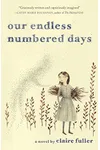
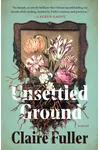
For readers who love psychological suspense and high-stakes survival stories, the best place to start is her debut novel, Our Endless Numbered Days. It provides an immediate look at Fuller's talent for creating claustrophobic, tense atmospheres. If you prefer grounded, character-driven literary drama focusing on family secrets and societal margins, start with the Costa Award-winning Unsettled Ground, which showcases her structural complexity and emotional maturity.
Claire Fuller Books in Publication Order
Reading Claire Fuller's books in order of publication allows you to witness her development as a writer, especially as she transitions from tight survivalist narratives to expansive, dual-timeline gothic mysteries. Here is the chronological list of her novels:
- Our Endless Numbered Days (2015)
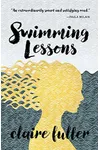
- Swimming Lessons (2017)
- Bitter Orange (2018)
- Unsettled Ground (2021)
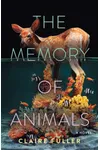
- The Memory of Animals (2023)
- Hunger and Thirst (2026)
In addition to her full-length novels, Fuller has contributed to short-fiction anthologies. While these are not required reading to understand her main body of work, they offer excellent snapshots of her style:
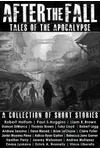
- After the Fall - Tales of the Apocalypse (2013)
- A Box of Stars Beneath the Bed: National Flash-Fiction Day Anthology (2016)
Deep Dive: Claire Fuller’s Novels Explained
Our Endless Numbered Days (2015)
Fuller's debut novel introduces eight-year-old Peggy Hillcoat, whose survivalist father takes her from her London home to a remote cabin in a European forest. He lies to Peggy, telling her that the rest of the world has been destroyed and they are the only survivors. The book details their isolation over nine years, blending fairy-tale elements with a chilling exploration of parental manipulation and psychological survival. It won the Desmond Elliott Prize and established Fuller as a major new voice in contemporary fiction.
Swimming Lessons (2017)
This novel centers on Ingrid Coleman, a woman who writes letters to her husband detailing the truth of their unstable marriage and then hides them inside his massive collection of books before disappearing. Twelve years later, her daughter Gil and husband Gil find themselves searching for answers. The narrative alternates between Ingrid's hidden letters and the family's tense present day, creating a layered, mystery-box style story about family dynamics, grief, and the subjectivity of memory.
Bitter Orange (2018)
Set during the hot summer of 1969, this novel follows Frances Jellico, an introverted woman hired to survey the garden architecture of a decaying English country estate called Lyntons. There, she is drawn into the lives of a glamorous, hedonistic young couple, Cara and Peter, who are staying in the rooms below hers. As Frances spies on them through a peephole in her floorboards, she becomes increasingly obsessed, leading to a web of deceit, sexual tension, and eventual tragedy. This book is ideal for fans of classic gothic suspense like Shirley Jackson or Daphne du Maurier.
Unsettled Ground (2021)
Winning the Costa Novel Award, this book follows 51-year-old twins Jeanie and Julius, who live with their mother in a secluded cottage in rural England. They live off the grid, growing their own food and performing odd jobs. When their mother suddenly dies, the twins are thrust into the modern world, exposing their extreme poverty, family secrets, and the fragile nature of their isolated existence. It is a powerful, empathetic look at marginalization and resilience.
The Memory of Animals (2023)
In this post-pandemic novel, Fuller explores memory and survival through Neffy, a young woman who volunteers for an experimental vaccine trial just as a deadly pandemic sweeps the globe. Trapped in a clinic with a small group of survivors, Neffy uses a technology called the "revisitation machine" to escape into her past, specifically her memories of working with marine biology and octopuses. The book combines speculative fiction with Fuller's classic themes of isolation and psychological distress.
Hunger and Thirst (2026)
Fuller's sixth novel utilizes a dual-timeline structure to deliver a gothic suspense story. In 1987, a troubled sixteen-year-old named Ursula joins a group of squatters at an unsettling property known as "The Underwood." Led by the manipulative Sue, the group participates in increasingly dangerous activities, culminating in a séance and Sue's unexplained disappearance. Decades later, Ursula—now a reclusive sculptor—must confront her past when a documentarian threatens to expose the secrets of that fateful summer.
What to Know Before You Start
Fuller did not begin writing fiction until she was 40 years old, having previously trained and worked as a sculptor. This background in physical art heavily influences her writing style, which is sensory, tactile, and highly descriptive of physical spaces. Her settings—whether a remote cabin, a decaying estate, an isolated rural cottage, or a squatted manor—frequently act as secondary characters that mirror the internal psychological states of her protagonists.
Readers should prepare for heavy themes, including emotional abuse, isolation, poverty, and grief. Fuller rarely offers neat, happy endings; instead, she excels at ambiguous conclusions that leave readers questioning the reliability of her narrators and the objective truth of the events described.