
Recommended Reading Order for Claire Heywood's Novels
Claire Heywood's novels are published as standalones, meaning you can dive into her work in any order you choose. However, we recommend reading them in publication order to appreciate her development as an author and to follow the loose chronological thread connecting the aftermath of the Trojan War.
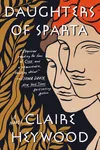
- Daughters of Sparta (2021)
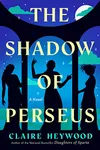
- The Shadow of Perseus (2023)
- The Wandering Queen (2026)
Chronological Connections: The Trojan Link
While each novel stands completely on its own, there is a loose chronological sequence that links two of her books. Daughters of Sparta centers on the events leading up to and during the legendary Trojan War, focusing on Helen of Troy and her sister Klytemnestra. The Wandering Queen picks up in the aftermath of Troy's fall, following Elissa (Dido) as she flees her homeland and eventually encounters Aeneas, a Trojan refugee. Reading Daughters of Sparta first provides a richer context for Aeneas's arrival and the destruction he fled.
Deep Dive Into Claire Heywood's Books
Daughters of Sparta (2021)
Heywood's debut novel offers a feminist reimagining of the Trojan War. Rather than focusing on the battles of soldiers and heroes, the narrative centers on two Spartan sisters: Helen and Klytemnestra. The novel explores their lack of agency, their struggles within restrictive marriages, and the personal choices that eventually spark a legendary ten-year conflict.
The Shadow of Perseus (2023)
This novel dismantles the traditional heroic myth of Perseus, reframing him not as a glorious slayer of monsters, but as an aggressive young man who leaves damage in his wake. The story is told through the eyes of three women: Danae, his protective mother; Medusa, a young woman living in isolation who becomes his victim; and Andromeda, the princess he claims as a trophy.
The Wandering Queen (2026)
Focusing on the legendary founder of Carthage, this novel traces the journey of Elissa (later known as Dido). Sidelined from the throne of Tyre, Elissa leads her loyal followers across the Mediterranean to establish a new home. When the Trojan survivor Aeneas arrives in Carthage, Dido must navigate the conflict between her duty to her new kingdom and her personal desires.
What to Know Before You Start
Before jumping into Claire Heywood's bibliography, here are a few key details to keep in mind:
- No Gods or Magic: Unlike other popular mythological retellings, Heywood strips away all supernatural elements. There are no divine interventions or magical spells. This gives the stories a grounded, historical fiction feel.
- Feminist Realism: The novels focus on the daily realities of women in the ancient world, dealing with themes of forced marriage, motherhood, political exile, and systemic oppression.
- Standalone Nature: You do not need to read one to understand the other. If you are fascinated by Carthage, start with The Wandering Queen. If you love the Trojan War, start with Daughters of Sparta.