
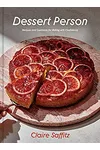

How to Read Claire Saffitz's Cookbooks: The Recommended Path
Claire Saffitz's books do not follow a narrative continuity, but they do have a distinct progression in terms of baking philosophy, complexity, and equipment requirements. Rather than following a strict chronological order, the best way to read and cook through her books depends entirely on your experience level and the tools available in your kitchen.
For the Ambitious Baker: Start with Dessert Person (2020)
If you want to understand the foundational science of pastry, learn how to build complex laminated doughs, or master showstopping bakes like a Babkallah (a babka-challah hybrid), start with her debut book, Dessert Person. This book acts as a comprehensive masterclass, complete with a detailed recipe matrix to help you gauge difficulty and time commitments before you begin.
For the Casual or Busy Baker: Start with What's for Dessert (2022)
If you are looking for approachable, low-maintenance desserts, or if you do not own a stand mixer, you should start with What's for Dessert. This collection focuses on simplified techniques, no-bake options, and streamlined instructions that make dessert accessible on any night of the week without sacrificing flavor depth.
Claire Saffitz Books in Publication Order
Claire Saffitz has written two main cookbooks, with a third savory-focused title officially in development. Below is the complete list of her works in order of publication:
- Dessert Person: Recipes and Guidance for Baking with Confidence (2020) – Claire's bestselling debut, featuring over 100 meticulously tested recipes spanning sweet and savory pastries, cakes, pies, and breads. It won the IACP Julia Child First Book Award.
- What's for Dessert: Simple Recipes for Dessert People (2022) – Her follow-up cookbook, which shifts focus to effortless baking, stove-top desserts, and no-bake treats. It was nominated for a James Beard Award.
- Untitled Savory Cookbook (Expected Fall 2027) – A shift from baking to general cooking. It is set to feature a dedicated salads chapter and a deep dive into pasta making and make-ahead sauces (such as bolognese and slow-roasted pomodoro), with an explicit rule against subpar "one-pot" pasta techniques.
Companion Works and Contributions
Beyond her main cookbooks, Claire Saffitz has contributed her culinary perspective to other authors' books:
- Flour Power: The Practice and Pleasure of Baking Using Whole Grains by Tara Jensen (2022) – Claire Saffitz wrote the foreword for this cookbook, sharing her thoughts on the texture, depth, and community value of baking with whole grains.
What to Know Before You Start
Before diving into Saffitz's recipes, there are several unique features and formatting choices in her books that you should keep in mind:
The Recipe Matrix
In Dessert Person, Claire introduces a grid that charts recipes along two axes: difficulty (from Very Easy to Very Challenging) and total time required. This is incredibly useful for planning your baking sessions. If you are a novice, stick to the bottom-left quadrant before attempting the complex breads and pastries in the top-right.
Equipment and Stand Mixers
A frequent point of discussion among readers is the reliance on equipment. Dessert Person utilizes stand mixers and food processors heavily for recipes like brioche or puff pastry. If you have a minimally equipped kitchen, What's for Dessert is specifically designed to minimize reliance on heavy electric appliances, favoring hand whisks and bowls instead.
Sweetness and Flavor Profiles
Claire's recipes are celebrated for not being overly sweet. She frequently uses ingredients like cream cheese, sour cream, olive oil, and fresh seasonal fruit to balance sugar. Expect unique combinations like preserved lemons, cornmeal, or black pepper to make appearances in her sweet bakes.
The YouTube Companion Connection
To get the most out of Claire's books, many readers recommend watching her companion YouTube channel, Claire Saffitz x Dessert Person. Having a visual aid for techniques like folding dough, checking cookie textures, or whipping egg whites to soft peaks acts as an excellent companion piece to the printed recipes.