

The Recommended Reading Path: How to Approach Lispector
Clarice Lispector's writing is unlike almost anything else in Western literature. Rather than relying on traditional plots, her books are introspective, philosophical, and intensely focused on the internal lives of her characters. Because of this, reading her works in strict chronological order is not recommended for newcomers. Instead, we suggest starting with her most accessible masterpieces before diving into her highly experimental middle and late-period works.
1. The Perfect Entry Point: The Hour of the Star (1977)
Start with The Hour of the Star (A Hora da Estrela). Written at the very end of her life, this short novel is widely considered her most accessible work. It follows Macabéa, an impoverished typist in Rio de Janeiro who is largely invisible to the society around her. By framing the narrative through a self-conscious narrator, Lispector delivers a poignant, relatively structured story that serves as an excellent introduction to her existential themes without overwhelming you with dense abstraction.
2. The Short Story Collections: Family Ties (1960)
After getting a feel for her style, move to her short fiction. Family Ties (Laços de Família) is a perfect next step. These stories focus on ordinary domestic situations—a family dinner, a subway ride, a woman looking at a caged chicken—that suddenly fracture into moments of intense, life-altering epiphany. For a comprehensive look, you can also pick up The Complete Stories, which gathers her lifelong work in short fiction.
3. The Debut Breakthrough: Near to the Wild Heart (1943)
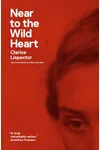
Once you are comfortable with her literary voice, go back to the beginning. Lispector published Near to the Wild Heart (Perto do Coração Selvagem) when she was just 23 years old. The novel shook the Brazilian literary establishment with its fragmented prose and deep psychological focus on its protagonist, Joana. It is a brilliant example of early modernist stream-of-consciousness in the Portuguese language.
4. The Peak Experimental Novels: Água Viva (1973) and The Passion According to G.H. (1964)
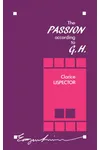
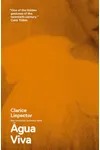
Now you are ready for her most challenging and celebrated masterpieces. The Passion According to G.H. follows a well-to-do woman who has a profound spiritual crisis after crushing a cockroach in her maid's room. Água Viva (translated as The Stream of Life) is even more abstract, read almost like a continuous, unformatted monologue or a piece of music. These books discard traditional narrative entirely in favor of raw existential exploration.
What to Know Before You Start
Before diving into Lispector's books, keep these helpful tips in mind:
- Focus on the Sound, Not Just the Plot: Many literary critics and translators suggest reading Lispector like you are listening to music. Do not worry about following a standard chronological plot line; instead, let the rhythm of her prose wash over you.
- The New Directions Translations: For English readers, the publishing house New Directions launched a major project to retranslate her complete works, overseen by general editor and biographer Benjamin Moser. These translations (featuring work by Katrina Dodson, Johnny Lorenz, Stefan Tobler, and others) are the gold standard for experiencing her voice in English.
- Standalone Nature: None of Lispector's novels or short story collections are sequels or share continuity. You can read them in any order you choose without missing critical plot details.
Publication Order of Standalone Novels
If you prefer to see how Lispector's style evolved over her career, you can read her novels in their original order of publication:
- Near to the Wild Heart (1943) — Her stunning debut novel focusing on the inner life of a young woman named Joana.
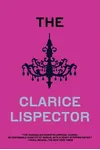
- The Chandelier (1946) — A dense, challenging second novel detailing a brother and sister escaping their rural upbringing.
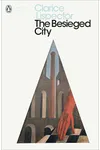
- The Besieged City (1949) — An experimental story centered around a woman named Lucrécia Neves and the physical transformation of her town.
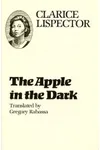
- The Apple in the Dark (1961) — A longer, deeply philosophical novel about a man running away after believing he has committed a crime.
- The Passion According to G.H. (1964) — A terrifyingly intimate, existential masterpiece centered on a domestic epiphany.
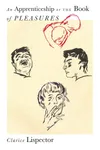
- An Apprenticeship, or The Book of Pleasures (1969) — A unique look at a love affair, focusing on the psychological preparation required to love another.
- Água Viva / The Stream of Life (1973) — A lyrical, shape-shifting monologue that defies the novel format entirely.
- The Hour of the Star (1977) — Her final novel published during her lifetime, focusing on poverty, class, and the act of writing.
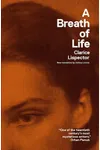
- A Breath of Life (1978) — Published posthumously, compiled from fragments and notes she left behind before her death.
Short Story Collections, Non-Fiction, and Children's Books
Lispector was also an incredibly prolific short fiction writer, children's author, and journalist. Notable collections include:
- Family Ties (1960) — Her landmark collection of domestic epiphanies.
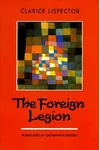
- The Foreign Legion (1964) — A mix of short stories and personal chronicles.
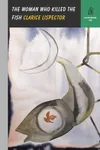
- The Woman Who Killed the Fish (1966) — A charming and unusual children's book written directly to young readers.
- Too Much of Life: The Complete Crônicas (2018) — A massive collection of her weekly newspaper columns (crônicas) which blend diary entries, social observations, and philosophical musings.
- The Complete Stories (2015/2018) — The definitive single-volume translation of her entire output of short stories.