



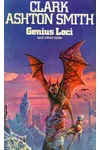
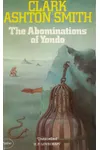
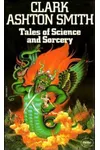
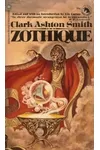
How to Start Reading Clark Ashton Smith
Unlike his contemporary pulp icons H.P. Lovecraft and Robert E. Howard, Clark Ashton Smith did not write long, interconnected series or sequential novels. Instead, his prose fiction consists of a vast array of short stories, novellas, and prose poems set in distinct, self-contained universes or cycles. Because the individual stories in these cycles stand alone, you can read them in almost any order without losing track of a central plot. To get the most out of his rich, baroque fantasy, readers generally follow one of two main pathways: exploring by cycle or reading in chronological composition order.
Path 1: The Cycle-by-Cycle Approach (Recommended)
For most readers, diving into one specific setting at a time is the best way to appreciate the unique mood, geography, and mythology of Smith's worlds. Rather than bouncing between prehistory, medieval France, and the far future, reading by cycle lets you immerse yourself in the distinct themes of each setting. If you choose this path, we recommend starting with the prehistoric sword-and-sorcery of Hyperborea or the dark, post-apocalyptic necromancy of Zothique.
Path 2: The Chronological Composition Order
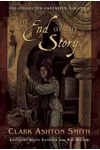
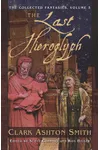
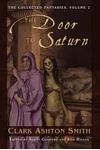
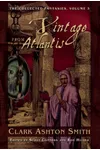
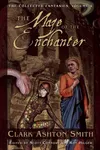
If you want to observe Smith’s development as a writer, reading his work chronologically by composition date is a rewarding route. Smith wrote the vast majority of his weird fiction during a highly productive period between 1929 and 1935. To follow this order, readers typically turn to multi-volume compilations. The most famous of these is The Collected Fantasies of Clark Ashton Smith Books, which organizes his stories chronologically across five volumes: The End of the Story, The Last Hieroglyph, The Door to Saturn, A Vintage From Atlantis, and The Maze of the Enchanter.
The Dying Earth of Zothique
Zothique is Clark Ashton Smith’s most famous setting and the undisputed pioneer of the Dying Earth subgenre. Set on Earth’s final continent in the extremely distant future, the sun has grown old and dim, science has been forgotten, and ancient necromancy has risen to dominate humanity's final days. The atmosphere is one of decadent decay, cruel sorcerers, and cosmic inevitability.
Key stories in the Zothique cycle include:
- Xeethra (1934): A poignant story of a young goat-herd who consumes a magical fruit and remembers a past life as a wealthy king, sparking a tragic quest for his lost kingdom.
- Witchcraft of Ulua (1988): A story detailing the corrupting influence of dark magic in the decadent cities of Zothique.
- The Dark Eidolon (2009): One of Smith's masterpieces, featuring an epic tale of vengeance where a sorcerer confronts the ruler who wronged him in his youth.
- Necromancy in Naat (2012), The Voyage of King Eurovan (2013), The Death of Ilalotha (2014), and The Garden of Adompha (2014): Atmospheric tales exploring the dark sorceries and grotesque beauty of this final era.
The Prehistoric Myths of Hyperborea
Hyperborea is set on a lost continent in the Arctic region during the Miocene epoch. Unlike the bleak doom of Zothique, the Hyperborean tales are marked by a unique blend of prehistoric adventure, cosmic horror, and dark, satirical humor. It is also the setting that links most closely to Lovecraft's Cthulhu Mythos, featuring the first appearances of the dark god Tsathoggua and the wizard Eibon.
Important Hyperborean works include:
- The Weird of Avoosl Wuthoqquan (1932): A darkly humorous tale of a greedy moneylender who meets an unfortunate fate at the hands of a subterranean entity.
- The Coming of the White Worm (2009): A chilling narrative about the wizard Evagh and his encounter with the horrific cosmic entity Rlim Shaikorth.
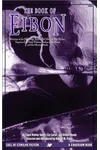
- The Book of Eibon (2001): A fictional grimoire created by Smith and credited to the Hyperborean wizard Eibon. It was later expanded by authors like Lin Carter and remains a core tome in cosmic horror lore.
The Medieval Sorcery of Averoigne
Averoigne is Smith’s take on historical dark fantasy, set in a fictionalized province of medieval France around the 12th to 14th centuries. The atmosphere is thick with classic gothic tropes: dense, haunted forests, sinister monasteries, pacts with devils, werewolves, vampires, and witches.
The core Averoigne stories to read are:
- A Rendezvous in Averoigne (1931): A classic tale of two lovers who get trapped in a castle ruled by ancient vampires.
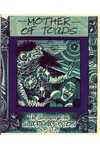
- Mother of Toads (1938): A grotesque story of witchcraft and dark spells in the deep woods of the province.
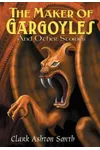
- The Maker of Gargoyles (2004): A story about a sculptor whose stone creations come to life to terrorize a medieval town.
- The Colossus of Ylourgne (2009): A dark fantasy epic where a group of necromancers constructs a massive giant out of human corpses.
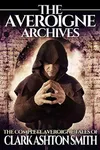
- The Averoigne Archives (2019): A comprehensive collection compiling the lore and tales of this haunted medieval region.
Other Worlds: Poseidonis, Mars, and Space Fantasy
Beyond his three major settings, Smith wrote several other cycles and standalone stories that are highly regarded by speculative fiction fans:
- Poseidonis: The final island remnant of Atlantis before its submersion, focusing on themes of lost glory and inevitable doom.
- The Mars Cycle: Groundbreaking science fantasy stories combining interplanetary travel with cosmic horror. Notable works include The Vaults of Yoh-Vombis (1988) and The Dweller in the Gulf (1987), which depict terrifying encounters with alien horrors beneath the Martian surface.
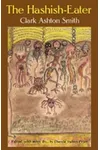
- The Hashish-Eater (1920): An epic, hallucinatory prose poem that showcases Smith's unparalleled vocabulary and cosmic imagination.
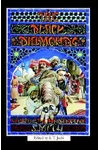
- The Black Diamonds (2002): An Arabian Nights-inspired adventure novel written during Smith's youth but published posthumously, showing his early mastery of fantastical romance.
What to Know Before You Start
Before you begin reading Clark Ashton Smith, keep these practical tips in mind:
- Standalone Nature: Almost every story is a self-contained unit. You do not need to worry about cliffhangers or missing plot points if you read them out of order.
- Rich, Baroque Language: Smith was primarily a poet, and he famously read an entire unabridged dictionary to expand his vocabulary. His prose is dense, archaic, and heavily atmospheric.
- The Lovecraft Connection: Smith was a close friend of H.P. Lovecraft. They regularly exchanged ideas, and Smith created the cosmic god Tsathoggua, which Lovecraft incorporated into his own stories.
- Publication Discrepancies: Because many of his works were originally published in pulp magazines like Weird Tales, the publication dates of collections or compiled editions (often decades after his death) can be confusing. Focus on the cycle or the composition order rather than modern collection dates.