


Where to Start Reading Claudia Rankine
For most readers, the absolute best entry point into Claudia Rankine’s work is her groundbreaking 2014 book, Citizen: An American Lyric. As a New York Times bestseller and winner of the National Book Critics Circle Award, Citizen represents the peak of Rankine's signature style: a hybrid form that blends prose poetry, visual art, essayistic reflection, and documentary elements. It is accessible yet deeply challenging, utilizing a second-person "you" that immediately pulls the reader into encounters with everyday racial microaggressions. Starting here allows you to experience Rankine at her most influential before working your way forward or backward through her catalog.
The "American Lyric" Trilogy
Although Rankine’s books are self-contained and can be read individually, three of her major works form a loose thematic trilogy that traces the evolution of her investigations into race, media, and American society. Reading them in order reveals a fascinating shift in tone and form:
- Don’t Let Me Be Lonely: An American Lyric (2004): The first installment of the trilogy. Written in the shadow of the 9/11 attacks, the war on terror, and the rise of 24-hour news cycles, this collection explores national depression, media saturation, illness, and isolation. It introduces her use of visual elements, such as television static and diagrams, alongside poetry.
- Citizen: An American Lyric (2014): The middle and most famous volume of the trilogy. It focuses intensely on the cumulative impact of racial microaggressions in daily life, systemic racism, and the public mourning of Black lives. The book incorporates contemporary art, media transcriptions (such as responses to Hurricane Katrina and tennis matches featuring Serena Williams), and collaborative video scripts.
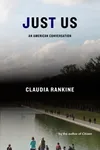
- Just Us: An American Conversation (2020): The final part of the trilogy. While not carrying the "American Lyric" subtitle, it is widely recognized by critics and publishers as the third entry. This volume shifts the focus from "lyric" to "conversation," presenting a series of real-world dialogues, essays, and fact-checked encounters with friends and strangers (particularly white men) about privilege, education, and systemic bias.
Early Poetry and Experimental Works
Before launching her high-profile American Lyric series, Rankine published three collections that show her developing voice and her initial experiments with form and structure. Readers interested in her growth as a poet should explore these in chronological order:
- Nothing in Nature Is Private (1994): Rankine's debut collection, which won the Cleveland State Poetry Prize. It explores themes of identity, migration, and the complexities of human relationships in a raw, lyric style.
- The End of the Alphabet (1998): A deeply intimate and fragmented collection that deals with grief, mourning, and the psychological impact of loss. It showcases her early interest in pushing the boundaries of traditional poetic syntax.
- Plot (2001): An experimental, book-length poem that examines the physical, emotional, and existential realities of pregnancy and childbirth. It features a dialogue between characters named Errant and Ersatz, blending high-concept philosophy with visceral, bodily experiences.
Plays and Theatrical Works
In addition to page-bound poetry, Rankine has brought her examinations of race and dialogue to the stage. These plays act as excellent companions to her prose-poetry trilogy:
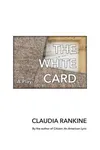
- The White Card (2018): Rankine's first published play. It centers on a dinner party hosted by a wealthy white couple who collect contemporary art, and a young Black photographer whom they have invited. The play directly confronts how art, philanthropy, and liberalism intersect with racism and white privilege. It functions as a dramatic extension of the themes explored in Citizen and Just Us.
- Other Dramatic Works: While not published in standard book form, Rankine has also written other theatrical pieces, including Provenance of Beauty: A South Bronx Travelogue (2009)—a site-specific play performed on a moving bus—and the monologue-driven play HELP (2020), which was inspired by her interviews with white men.
Edited Anthologies and The Racial Imaginary
Beyond her solo writing, Rankine has been a major editorial voice in contemporary American poetry and race studies. Her anthologies compile works from other writers to create collaborative dialogues:
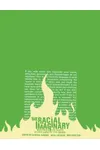
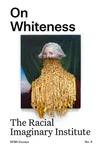
- The Racial Imaginary: Writers on Race in the Life of the Mind (2015): Co-edited with Beth Loffreda, this collection arose from the activities of The Racial Imaginary Institute (which Rankine founded). It features essays and creative works from dozens of writers reflecting on how race shapes the creative imagination.
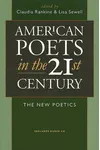
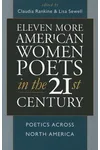
- Poetics Anthologies: Rankine co-edited several key volumes charting modern poetry movements, including American Women Poets in the Twenty-First Century (co-edited with Juliana Spahr) and American Poets in the 21st Century: The New Poetics (co-edited with Lisa Sewell).
Claudia Rankine Chronological Book List
If you prefer to read Claudia Rankine’s books in the order they were published, here is a consolidated list of her primary solo poetry, non-fiction, and play publications:
- Nothing in Nature Is Private (Poetry, 1994)
- The End of the Alphabet (Poetry, 1998)
- Plot (Poetry, 2001)
- Don’t Let Me Be Lonely: An American Lyric (Poetry/Lyric Essay, 2004)
- Citizen: An American Lyric (Poetry/Lyric Essay, 2014)
- The White Card (Play, 2018)
- Just Us: An American Conversation (Non-Fiction/Essays, 2020)
What to Know Before You Start
Rankine's work is highly collaborative and interdisciplinary. When reading her American Lyric trilogy, it is helpful to know that she actively incorporates visual art from other contemporary artists (such as Toyin Ojih Odutola, Glenn Ligon, and Carrie Mae Weems) directly onto the pages. This art is not decorative; it is in conversation with the text. Furthermore, her books often blur the line between poetry and documentary. For example, in Citizen, she includes scripts for video collaborations created with her husband, filmmaker John Lucas. Approach her books not just as collections of verse, but as multi-layered multimedia experiences that demand slow, reflective reading.