

Where Should You Start Reading C.S. Lewis?
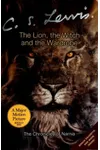
For most readers, the journey into the mind of C.S. Lewis begins in one of three places, depending on what genre you enjoy most. If you want classic, portal-fantasy adventure, start with The Lion, the Witch and the Wardrobe. If you are a fan of classic science fiction with philosophical depth, begin with Out of the Silent Planet. If you prefer sharp, witty satire and spiritual reflections, your best entry point is The Screwtape Letters.
While Lewis wrote across many genres—including children's fantasy, adult science fiction, literary criticism, poetry, and theology—his works are highly accessible. They are characterized by a friendly, conversational tone that makes even his most complex essays feel like a chat by the fireplace.
The Chronicles of Narnia: The Great Reading Order Debate
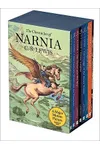
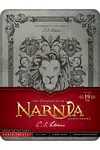
The biggest question for any Narnia reader is whether to follow the Publication Order or the Chronological Order. When the books were originally published in the 1950s, they began with the Pevensie children discovering Narnia. Decades later, publisher HarperCollins renumbered the books to match the chronological history of the world itself, placing the prequel first. This change sparked a debate that continues to this day among scholars, educators, and fans.
The Publication Order (Recommended for First-Time Readers)
We strongly recommend reading the series in its original publication order for your first trip through the wardrobe. This sequence preserves the natural sense of wonder and mystery, allowing you to discover Narnia's lore, its magical creatures, and its savior Aslan in the same way the original audience did. Prequels like The Magician's Nephew rely heavily on the reader already understanding the significance of objects like the wardrobe, the lamppost, and the identity of the White Witch.
- The Lion, the Witch, and the Wardrobe (1950)
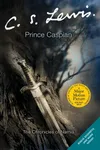
- Prince Caspian (1951)
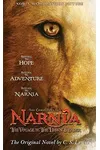
- The Voyage of the Dawn Treader (1952)
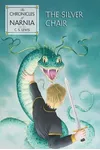
- The Silver Chair (1953)
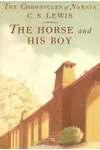
- The Horse and His Boy (1954)
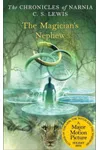
- The Magician's Nephew (1955)
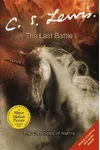
- The Last Battle (1956)
The Chronological Order (Recommended for Rereads)
Chronological order arranges the books based on the timeline of the Narnian universe. It begins with the creation of Narnia in The Magician's Nephew and follows the world's history through to its end. While it provides a smooth historical timeline, reading this way first can ruin the magical introduction of the Pevensies and the mystery of the wardrobe.
- The Magician's Nephew (1955)
- The Lion, the Witch, and the Wardrobe (1950)
- The Horse and His Boy (1954)
- Prince Caspian (1951)
- The Voyage of the Dawn Treader (1952)
- The Silver Chair (1953)
- The Last Battle (1956)
What Did C.S. Lewis Think?
Proponents of chronological order often point to a 1957 letter Lewis wrote to a young American fan named Laurence Krieg. Laurence's mother thought the books should be read in publication order, while Laurence preferred the chronological sequence. Lewis replied, "I think I agree with your order for reading the books more than with your mother's." However, Lewis also noted that the series was not planned beforehand and added that "perhaps it does not matter very much in which order anyone read them." Most modern scholars believe Lewis was simply being polite to a young fan rather than issuing a definitive directive.
The Cosmic Trilogy (The Space Trilogy / Ransom Trilogy)
Written as a friendly wager with his close friend J.R.R. Tolkien (where Tolkien would write about time travel and Lewis would write about space travel), the Cosmic Trilogy is a classic of early science fiction. It follows Dr. Elwin Ransom as he travels to Mars and Venus, discovering unfallen worlds and battling spiritual corruption. Unlike Narnia, there is no debate here: the chronological order matches the publication order exactly.
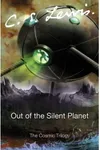
- Out of the Silent Planet (1938)
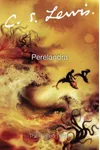
- Perelandra (1944)
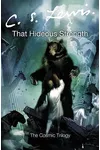
- That Hideous Strength / The Tortured Planet (1945)
Out of the Silent Planet introduces Ransom and the Martian landscape. Perelandra takes the action to a beautiful, watery Venus, functioning as a reimagining of the Edenic temptation. That Hideous Strength brings the trilogy to a climax on Earth, blending Arthurian myth, academic satire, and dystopian sci-fi. It is significantly longer and more complex than the first two books.
Standalone Novels and Satire
Beyond his famous series, Lewis wrote several standalone novels that range from playful satire to deeply emotional drama:
- The Pilgrim's Regress (1933): A modern allegorical apology for Christianity, written shortly after Lewis's conversion. It is his first work of prose fiction.
- The Screwtape Letters (1942): A brilliant epistolary satire consisting of letters from a senior demon, Screwtape, to his novice nephew, Wormwood, advising him on how to secure the damnation of a human soul.
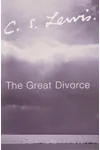
- The Great Divorce (1945): A fantastic dream-vision of a bus ride from Hell to Heaven, exploring the choices that define human destiny.
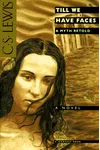
- Till We Have Faces (1956): A retelling of the Cupid and Psyche myth from the perspective of Psyche's sister, Orual. Lewis considered this his most mature and accomplished work of fiction.
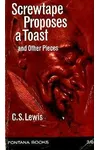
- Screwtape Proposes a Toast (1965): A short sequel essay to his famous demon letters, focusing on critiques of modern education and democratic conformity.
Narnia Companions and Children's Adaptations
If you are looking for more Narnia-adjacent reading, there are several companion books and simplified adaptations to look out for:
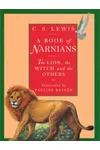
- A Book of Narnians (originally published in 1994, compiled by James Riordan): This is a beautiful guide to the characters of Narnia, showcasing full-color illustrations by original Narnia illustrator Pauline Baynes alongside descriptive excerpts.
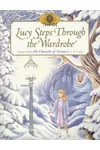
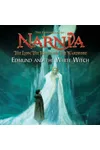
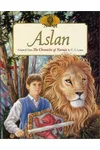
- The World of Narnia Picture Books: Published in the late 1990s, these include simplified adaptations for younger children such as Lucy Steps Through the Wardrobe (1997) and Edmund and the White Witch (1997), which retell key events from the novels.
Non-Fiction and Philosophical Works
For readers who want to explore the intellectual side of Lewis's faith and philosophy, his non-fiction works are incredibly popular. The best starting point is Mere Christianity (1943), which was adapted from a series of highly successful radio broadcasts during World War II. For those dealing with loss and suffering, The Problem of Pain (1940) and his highly personal journal A Grief Observed (1961), written after the death of his wife Joy Davidman, offer profound comfort and honest reflection.