

Starting Your Journey: Where to Begin with Cynthia Voigt
Cynthia Voigt is celebrated for her rich, emotionally complex stories that address themes of resilience, identity, and family. While she has written across several genres, the undisputed entry point to her bibliography is her masterpiece, the Tillerman Cycle. For the best experience, start with Homecoming. It introduces the iconic Tillerman siblings and sets the emotional and thematic foundation for everything that follows. If you prefer high fantasy, you can start separately with Jackaroo, the beginning of her Tales of the Kingdom series.
The Tillerman Cycle: Publication vs. Chronological Order
The Tillerman Cycle is a seven-book saga that follows the lives of the Tillerman family and their close friends. The series is famous for its non-linear timeline and overlapping stories. While some readers are tempted to read the books chronologically, we strongly recommend following the publication order. This sequence preserves character revelations, maintains narrative suspense, and introduces secondary characters at the exact moments their backstories become relevant.
The Recommended Publication Order
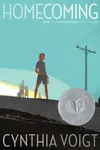
- Homecoming (1981): The essential starting point. Four abandoned siblings—Dicey, James, Maybeth, and Sammy—embark on a long, grueling foot journey to find a home.
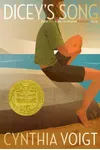
- Dicey's Song (1982): Picking up immediately after Homecoming, this Newbery Medal winner follows the children as they settle in with their eccentric grandmother and Dicey learns to let go of being the sole protector.
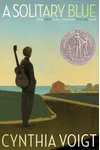
- A Solitary Blue (1983): This Newbery Honor book overlaps significantly with the timeline of Dicey's Song, shifting focus to Jeff Greene, a boy struggling with loneliness and maternal abandonment who eventually becomes a central figure in Dicey's life.
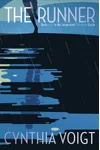
- The Runner (1985): A prequel set approximately ten years before the events of Homecoming. It focuses on Samuel "Bullet" Tillerman (Dicey's uncle) during the Vietnam War era. Reading this fourth gives his tragic backstory maximum emotional impact.
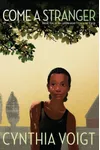
- Come a Stranger (1986): Another overlapping story, focusing on Mina Smiths, a friend of the Tillermans. It begins around the time of Dicey's Song and extends past it, exploring identity and race.
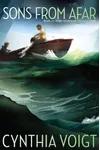
- Sons from Afar (1987): Set six years after Dicey's Song, this novel shifts the focus to James (now 16) and Sammy (now 12) as they seek out information about their long-lost father.
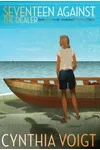
- Seventeen Against the Dealer (1989): The final book in the cycle. It catches up with Dicey at age 21 as she attempts to run her own boatbuilding business, bringing the family saga to a realistic and poignant conclusion.
Chronological and Narrative Overlaps Explained
If you prefer to understand the timeline chronologically, the internal sequence differs from the publication order. The Runner takes place first. However, starting with it is discouraged because its cynical tone and tragic ending are best appreciated once you already know the legacy Bullet leaves behind in the family. Additionally, Dicey's Song, A Solitary Blue, and Come a Stranger run parallel to one another. Voigt intentionally interlocks these narratives to show the same events and time periods through different perspectives, adding rich depth to the small town of Annapolis and the farm in Crisfield.
Tales of the Kingdom (The Kingdom Series)
For readers interested in historical fantasy, Cynthia Voigt’s Tales of the Kingdom series offers a loosely connected set of stories set in a medieval-style world. Rather than following a single family, these books are set generations apart in the same land, sharing folklore and geographical settings. They should be read in publication order to appreciate how the myths of the world evolve.
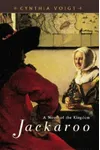
- Jackaroo (1985) – Also published as The Tale of Gwyn, this book introduces the legendary outlaw persona of Jackaroo.
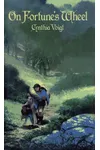
- On Fortune's Wheel (1990) – Also published as The Tale of Birle, set two generations later.
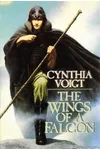
- The Wings of a Falcon (1993) – Also published as The Tale of Oriel, a darker installment following a young man escaping a harsh island.
- Elske (1999) – Also published as The Tale of Elske, which weaves together the political conflicts of the world and brings the loose threads of the series to a close.
The Bad Girls Series
Shifting to a lighter, middle-grade tone, the Bad Girls series follows the mischievous school adventures and growing pains of primary characters Margalo Epps and Mikey Elsinger. This series is strictly chronological and must be read in order:
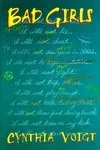
- The Bad Girls (1996)
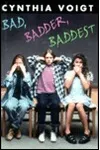
- Bad, Badder, Baddest (1997)
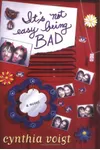
- It's Not Easy Being Bad (2000)
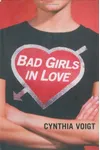
- Bad Girls in Love (2002)
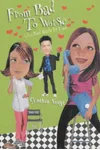
- From Bad to Worse (2003)
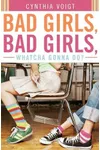
- Bad Girls, Bad Girls, Whatcha Gonna Do? (2006)
Mister Max and the Davis Farm Series
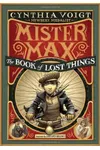
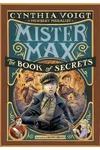
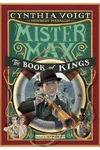
Voigt has also written two highly acclaimed trilogies for younger readers. The first is Mister Max, a trilogy following Max Starling, a boy who becomes a "solutioneer" to search for his missing parents. The books should be read in order: The Book of Lost Things (2013), The Book of Secrets (2014), and The Book of Kings (2015).
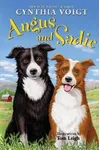
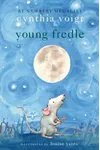
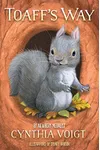
The Davis Farm books are charming stories focused on the lives and viewpoints of animals living on the Old Davis Farm. While they can function as standalones, reading them in order of release shows the farm's changing ecosystem: Angus and Sadie (2005) focuses on border collies, Young Fredle (2011) follows a farm mouse, and Toaff's Way (2018) follows a gray squirrel.
Key Standalones and Companion Works
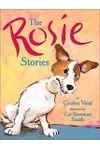
For readers who want to explore Voigt's standalone work, several books stand out. Izzy, Willy-Nilly (1986) is a powerful, self-contained story about a teenage girl rebuilding her life after losing her leg in a drunk driving accident. For a darker, intense read, When She Hollers (1994) confronts the reality of abuse. If you are looking for a lighthearted story, The Rosie Stories (2003) is a delightful collection of tales about a family dog, perfect for younger audiences.