






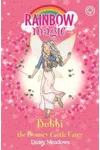
Where to Start: The Perfect Entry Point
With hundreds of books published under the Daisy Meadows pseudonym, knowing where to begin is the most common hurdle for parents and young readers. Fortunately, the entry point is clear: you should always start with the original seven books that launched the global phenomenon in 2003. This sequence, known as The Rainbow Fairies, introduces the two human protagonists, Kirsty Tate and Rachel Walker, along with their nemesis, Jack Frost, and the magical realm of Fairyland.
Reading the first seven books in order is highly recommended because they establish the overarching premise of the series. Jack Frost has banished the seven Rainbow Fairies to Rainspell Island, stripping Fairyland of all its color. Kirsty and Rachel must work together to find each fairy and restore color to their world. The recommended starting order is:
ol>Understanding the Rainbow Magic Structure
Once your reader has finished the first seven books, the strict chronological rules soften. Rainbow Magic is structured into themed subseries, which typically contain either four or seven books. Each subseries follows a self-contained story arc: Jack Frost steals a new set of magical items (such as weather feathers, party bags, or magical gems), and Kirsty and Rachel must help a new group of fairies retrieve them.
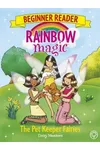
Because each subseries operates independently, readers do not need to follow a rigid publication order. If your child is obsessed with animals, they can jump straight to The Pet Keeper Fairies or the Animal Rescue Fairies. If they love sports, they can leap ahead to The Sporty Fairies. However, reading the books within a specific subseries in order (e.g., reading books 1 through 7 of the Jewel Fairies consecutively) is recommended, as the narrative builds toward a final confrontation with Jack Frost in the final book of that set.
The Core Rainbow Magic Subseries
To help you navigate the library shelves, here is a breakdown of the major classic subseries, grouped by their themes:
ul>Special Editions and Crossover Books
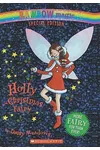
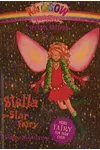
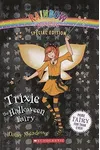
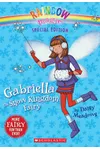
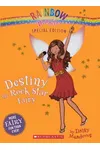
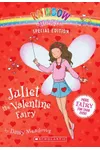
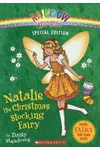
Alongside the standard numbered series, Daisy Meadows has released numerous standalone "Special Edition" books. These books are usually longer, feature multiple chapters, and often align with holidays or major seasonal events. Examples include holiday favorites like Holly the Christmas Fairy (2004), Stella the Star Fairy (2005), and Emma the Easter Fairy (2011).
There are also commemorative specials tied to royal milestones, such as Kate the Royal Wedding Fairy (2011) and Elizabeth the Jubilee Fairy (2012). Readers can pick up these special editions at any point, though they are best enjoyed after the reader is familiar with Kirsty and Rachel's ongoing partnership.
Beyond Rainbow Magic: Spin-offs and Sister Series
The success of Rainbow Magic led the Daisy Meadows collective to launch separate, companion series set in new fantasy worlds. If your reader is ready for a change of scenery but loves the same friendly, episodic style, these are the primary spin-offs:
Magic Animal Friends
Launched in 2014, this series shifts the focus to best friends Jess Forester and Lily Hart, who discover a secret portal to Friendship Forest, a magical world populated by talking animals. Just like in Rainbow Magic, the girls must defend the forest from a recurring villain named Grizelda. The recommended starting point is the first set of books, beginning with Molly Twinkletail Runs Away, Ellie Featherbill All Alone, and Lucy Longwhiskers Gets Lost.
Unicorn Magic
Starting in 2019, this series follows a girl named Aisha as she visits the Enchanted Valley to help the Unicorn King protect the land's magic from the icy clutches of Selena. The series should be read in publication order, starting with Dawnblaze Saves Summer and Shimmerbreeze and the Sky Spell.
What to Know Before You Start
Before diving into the books, it is helpful for parents and educators to understand the collaborative nature of the author. "Daisy Meadows" is a collective pseudonym created by the packaging company Working Partners. The original stories and early books were penned by a team of British children's authors including Narinder Dhami, Sue Bentley, Linda Chapman, and Sue Mongredien. Because the books are written to a specific style guide, the transition between different writers is completely seamless for young readers.
The books are designed specifically for emerging readers (typically ages 5 to 9 or grades K-3). They feature large print, short chapters, repetitive vocabulary that builds reading confidence, and charming illustrations. Because the plots are highly formulaic, they serve as excellent stepping stones for children transitioning from picture books to independent chapter book reading.