



Recommended Reading Paths
Dale Furutani is celebrated as a trailblazing voice in mystery fiction, famous for blending historical accuracy, cultural depth, and classic detective tropes. Because his books are organized into distinct series with clear, linear timelines, choosing where to start is straightforward. You have two primary paths depending on your preferred subgenre:
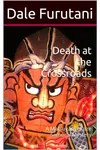
- The Historical Samurai Path (Matsuyama Kaze Series): Best for fans of historical fiction, ronin stories, Zen philosophy, and classic quest narratives. Start with Death at the Crossroads (1998).
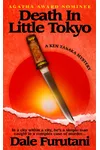
- The Modern Sleuth Path (Ken Tanaka Series): Best for readers who enjoy contemporary noir, amateur sleuth mysteries, and deep dives into the cultural history of Los Angeles. Start with Death in Little Tokyo (1996).
The Matsuyama Kaze Samurai Mysteries
Set in 1603, during the transition into the Edo period of feudal Japan, this series follows Matsuyama Kaze, a masterless samurai (ronin) who has sworn a solemn oath to his dying mistress to find her kidnapped daughter. The series is deeply atmospheric, rich in historical details of the era, and incorporates elements of Zen philosophy alongside classic detective puzzles.
For the Matsuyama Kaze series, chronological order matches publication order. The first three novels were written as a tight trilogy, while the fourth book, published over two decades later, picks up Kaze's journey. Here is the recommended reading order:
- Death at the Crossroads (1998): Kaze is introduced traveling along the Tokaido road. He stops at a mountain pass crossroads where he becomes embroiled in local murders, local politics, and must use his skills to clear his name and survive.
- Jade Palace Vendetta (1999): Continuing his search for the lost child, Kaze is drawn into the mystery of a wealthy merchant's estate (the Jade Palace) where someone is systematically executing revenge against the household.
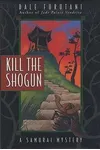
- Kill the Shogun (2000): The original trilogy's climax takes Kaze to the capital city of Edo. Here, Kaze is forced to navigate dangerous conspiracies surrounding the newly established Tokugawa Shogunate, bringing his initial quest to a dramatic resolution.
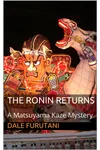
- The Ronin Returns (2021): Published twenty-one years after the third book, this long-awaited sequel picks up Kaze's life and travels, offering fans a deeper look at the aging ronin as he faces new threats in a changing Japan.
The Ken Tanaka Mystery Series
Dale Furutani made history with his contemporary mystery series featuring Ken Tanaka, a Japanese American amateur sleuth who is a mystery buff and comic book distributor. Set in Los Angeles, the series explores themes of identity, the legacy of the World War II internment camps, and the modern dynamics of L.A.'s Little Tokyo. The debut novel made Furutani the first Asian American author to win the prestigious Anthony and Macavity awards for mystery writing.
To read the Ken Tanaka stories, follow this order:
- Death in Little Tokyo (1996): Tanaka gets caught up in a real-life murder mystery during a Nisei Week festival in Los Angeles. He must use his knowledge of mystery tropes to clear his own name when he becomes the prime suspect.
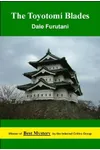
- The Toyotomi Blades (1997): Tanaka travels to Tokyo, Japan, to deliver a valuable sword. There, he finds himself in the middle of a dangerous conflict involving ancient family lineages, modern corporate espionage, and a string of murders.
- Dead Weight: A Ken Tanaka Mystery Story (2015): A short story contribution by Furutani featured in the anthology Asian Pulp. This story provides a brief, self-contained case for Tanaka and is a fun bonus for completists.
Standalone Novels and Adaptations
Furutani has also written standalone books that explore his love for historical settings, classical literature, and detective pastiches:
- The Curious Adventures of Sherlock Holmes in Japan (2011): A pastiche that takes place during Sherlock Holmes' "Great Hiatus" (the period between his apparent death at Reichenbach Falls and his return in London). Holmes travels to Meiji-era Japan under the alias Sigerson, where he is assisted by a local physician, Junichi Watanabe, to solve mysteries that blend Victorian deduction with Japanese folklore.
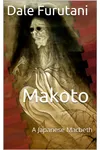
- Makoto (2021): Subtitled A Japanese Macbeth, this standalone novel is a historical reimagining of William Shakespeare's classic tragedy. Furutani transposes the political ambition, betrayal, and supernatural elements of the play to the Sengoku Jidai (the Era of Warring States) in feudal Japan.
What to Know Before You Start
Furutani's historical books are highly praised by historians and Japanese culture enthusiasts for their accuracy. He carefully depicts the daily lives of peasants, merchants, and samurai without romanticizing the period. For the Matsuyama Kaze series, it is highly recommended to read the books in order, as Kaze's personal character arc and his search for the kidnapped girl span across the books. The Ken Tanaka books are more episodic, but reading them in order helps you appreciate Ken's personal growth and his changing relationship with his heritage.