



The Recommended Reading Paths for Damon Galgut
Because all of Damon Galgut's novels are standalone works, there is no single, strictly required reading order. However, his writing style, thematic focus, and prose command have shifted dramatically over his four-decade career. To get the most out of his bibliography, we recommend choosing one of the following paths based on your reading preferences.
Path 1: The Masterpiece Entry Point (Recommended)
If you want to experience Galgut at the absolute height of his literary powers, start here. This path prioritizes his most critically acclaimed, mature novels before guiding you back to his earlier breakthroughs:
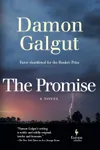
- The Promise (2021): Start with his Booker Prize-winning tour de force. It is his most structurally innovative and accessible novel, tracing the decline of a white South African family over four decades and four funerals. It serves as a perfect introduction to his style and his engagement with post-apartheid themes.
- The Good Doctor (2003): Next, read the novel that first put him on the international shortlist for the Booker Prize. This tense, atmospheric story of two contrasting doctors working in a remote, underfunded rural hospital explores the moral and political compromises of post-apartheid South Africa.
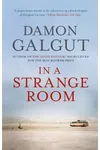
- In a Strange Room (2010): Conclude this entry path with his deeply personal, three-part travelogue. Blending memoir with fiction, this book follows a narrator named Damon on three separate journeys through Greece, Lesotho, and India, offering a masterclass in his introspective, minimalist style.
Path 2: The Chronological Evolution
For readers who appreciate watching a writer find his voice, refine his style, and transition from theatrical influences to modernist prose, reading in publication order is a rewarding journey. Keep in mind that his first few works can be difficult to source and differ significantly in tone from his later masterpieces.
Path 3: The Historical and Biographical Frame
If you prefer fiction that blends real historical figures or autobiographical elements with lyrical storytelling, this alternative route is highly engaging:
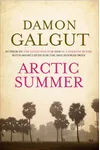
- Arctic Summer (2014): Start with this biographical novel that dramatizes the life of English author E. M. Forster during the years he struggled to write A Passage to India, exploring themes of repressed sexuality, colonial tension, and creative frustration.
- In a Strange Room (2010): Follow up with this semi-autobiographical reflection on travel, loneliness, and the fluidity of identity.
Damon Galgut’s Novels in Publication Order
Here is the complete chronological list of Damon Galgut's novels and major fiction collections, along with details of their publication history and themes:
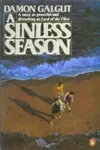
1. A Sinless Season (1982)
Written when Galgut was just seventeen years old and published in 1982, this debut novel is set in a sinister reformatory school for boys. It explores themes of youth, delinquency, violence, and morality. While a remarkable achievement for a teenage writer, Galgut has largely disavowed this early work, noting in interviews that it does not represent his mature style.
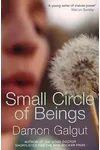
2. Small Circle of Beings (1988)
This is a collection of short fiction featuring a title novella and several short stories. The novella depicts the suffocating dynamics of a family dealing with a child's sudden, life-threatening illness—a theme heavily inspired by Galgut's own childhood battle with lymphoma.
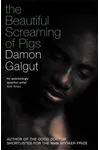
3. The Beautiful Screaming of Pigs (1991)
Set during the transition to independence in Namibia (then South West Africa), this novel follows a young man named Patrick as he travels with his mother to Namibia. The book deals with psychological trauma, identity, and the geopolitical shifts of the region. It won South Africa's prestigious Central News Agency (CNA) Literary Award in 1992.
4. The Quarry (1995)
An intense, allegorical thriller about a nameless fugitive who murders a gay priest in the South African wilderness and assumes his identity, only to find himself presiding over a community where he must investigate his own crime. The novel has been adapted into feature films twice: first in 1998 by director Marion Hänsel, and again in 2020 starring Michael Shannon.
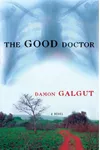
5. The Good Doctor (2003)
Galgut's international breakthrough novel. Set in a decaying rural hospital, the narrative explores the clash of ideals between a cynical older doctor, Frank, and an enthusiastic young newcomer, Laurence. The book was shortlisted for the 2003 Booker Prize and won the Commonwealth Writers' Prize for Best Book in Africa.
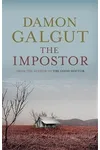
6. The Impostor (2008)
This novel follows Adam Napier, a man who loses his job and home in Johannesburg and moves to a ruined house in the Karoo. There, he encounters an old acquaintance who mistakes him for someone else, leading Adam into a web of corruption, developers, and moral compromise in post-apartheid South Africa.
7. In a Strange Room (2010)
A novel structured in three parts: "The Follower," "The Lover," and "The Guardian." It tells the story of a traveler named Damon who wanders the world in search of connection but remains fundamentally detached. The book is written with an unusual narrative device where the perspective shifts seamlessly between first and third person, earning a spot on the 2010 Booker Prize shortlist.
8. Arctic Summer (2014)
Departing from South African settings, this historical novel follows the life of E. M. Forster over a twelve-year span as he travels between England and India. The novel portrays Forster’s struggles with his personal relationships, his closeted homosexuality, and the slow birth of his final masterpiece.
9. The Promise (2021)
The pinnacle of Galgut's career, this novel won the 2021 Booker Prize. It details the decline of the Swart family, who live on a farm outside Pretoria. The central narrative hook is a promise made by the family matriarch to give ownership of a small annex house to Salome, their Black domestic worker—a promise that the family repeatedly fails to honor over four decades.
Plays and Anthologies
In addition to his novels, Galgut has a background in drama, having studied it at the University of Cape Town. He has written several plays, though they are primarily known through stage productions rather than widespread print publication. These include Echoes of Anger (1983), Party for Mother, Alive and Kicking, and The Green's Keeper (1990).
He has also contributed short stories to notable anthologies, such as The Mammoth Book of Gay Short Stories (1997), Touch: Stories Of Contact (2010), and Writing on the Edge (2010).
What to Know Before You Start
To fully appreciate Galgut's work, it helps to understand his unique creative process and stylistic conventions:
- Tactile Writing Process: Galgut writes his drafts entirely longhand using a tortoiseshell Parker fountain pen, drafting his manuscripts twice by hand before typing them. This deliberate, slow process mirrors the measured, deeply considered pace of his prose.
- Narrative Voice: Galgut frequently employs modernist techniques, including shifting perspectives and omitting traditional quotation marks for dialogue. In works like The Promise, the narrator acts like a moving camera, entering the thoughts of various characters, onlookers, and even animals.
- Themes of Displacement: Having grown up under apartheid and fought lymphoma as a young child, Galgut frequently explores themes of physical vulnerability, political complicity, the legacy of racial injustice, and the feeling of being an outsider in one's own home or body.