







Where to Start Reading Dan Fesperman
Dan Fesperman has carved out a unique space in modern spy fiction. Drawing on his years as a foreign correspondent for The Baltimore Sun, he brings a level of grit, geopolitical accuracy, and moral ambiguity to his writing that few other authors can match. If you are new to his books, you have two primary entry routes, depending on whether you want to follow a recurring character or dive into a self-contained story.
The Vlado Petric Route (Recommended for Classic Mystery Fans): Start with Fesperman's debut, Lie in the Dark (1999). This novel introduces Vlado Petric, a homicide detective trying to do his job in the middle of the Bosnian War. It is tightly plotted, atmospheric, and serves as the perfect introduction to Fesperman's trademark style.
The Claire Saylor Route (Recommended for Espionage Purists): Start with Safe Houses (2018). While Claire Saylor begins as a supporting character in this dual-timeline thriller, she quickly evolves into the central lead of Fesperman's historical spy trilogy, navigating the dangerous waters of the Cold War and its aftermath.
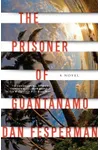
The Standalone Route (Recommended for Quick Entry): If you prefer a one-and-done thriller, start with The Letter Writer (2016), a historical mystery set in 1942 New York City, or The Prisoner of Guantanamo (2006), which provides a claustrophobic look at the war on terror.
The Vlado Petric Duology
Vlado Petric is a Sarajevo detective whose investigations are complicated by the surrounding warfare, corrupt officials, and international players. Fesperman wrote two novels featuring Petric, and they should be read in publication order:
- Lie in the Dark (1999) – Set during the siege of Sarajevo, Petric investigates the murder of a high-ranking government official, pulling him into a web of black market deals and military corruption.
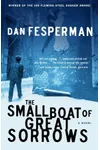
- The Small Boat of Great Sorrows (2003) – Set years later, Petric is living in exile in Germany when he is coerced by the International War Crimes Tribunal into tracking down a notorious war criminal.
The Claire Saylor Series: Publication vs. Chronological Order
Fesperman's Claire Saylor books follow a female CIA officer working throughout the late 20th century. However, Fesperman did not write these books in chronological order; instead, he jumped to different points in Claire's career as the inspiration struck him.
Publication Order
Reading in publication order allows you to experience Claire's character development and Fesperman's narrative voice as they evolved:
- Safe Houses (2018)
- The Cover Wife (2021)
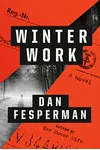
- Winter Work (2022)
Chronological Timeline Order
If you want to follow Claire's career as it actually happened, the chronological order is slightly different:
- Safe Houses (1979 Timeline) – Claire Saylor is introduced as a young CIA operative working alongside Helen Abell, who runs safe houses in West Berlin during the Cold War.
- Winter Work (1990) – Set in the immediate aftermath of the fall of the Berlin Wall. Claire is sent to Berlin to recruit former Stasi officers who are looking to sell state secrets.
- The Cover Wife (1999) – Set in the lead-up to the 9/11 attacks. Claire is sent undercover to Hamburg, posing as the wife of a professor to monitor a local mosque suspected of harboring extremists.
- Safe Houses (2014 Timeline) – The contemporary half of Fesperman's dual-timeline novel, following Helen Abell's daughter as she investigates her mother's murder decades later.
Recommendation: Stick to the publication order. Safe Houses sets the stage for Claire's character and her place in the agency, making the events of the subsequent novels much more impactful.
Dan Fesperman's Standalone Novels
Most of Fesperman's bibliography consists of standalone espionage and political thrillers. Each book is set in a meticulously researched real-world conflict or intelligence environment:
- The Warlord's Son (2004) – Set in the rugged borderlands of Pakistan and Afghanistan immediately following the September 11 attacks, focusing on a desperate American journalist and his local translator.
- The Prisoner of Guantanamo (2006) – A tense thriller set inside the Guantanamo Bay detention camp, following an FBI interrogator who gets caught up in a conspiracy after a guard is found dead.
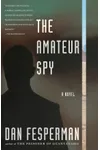
- The Amateur Spy (2007) – Follows Freeman Lockhart, a retired aid worker who is blackmailed into spying on a former associate in Jordan, leading him into the world of terrorist financing.
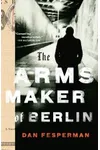
- The Arms Maker of Berlin (2009) – A dual-timeline thriller that connects a young academic in modern Geneva to the shadowy world of arms dealers in Cold War-era Berlin.
- Layover in Dubai (2010) – A corporate auditor finds himself in deep trouble in the luxurious but dangerous city of Dubai after a business trip goes horribly wrong.
- The Double Game (2012) – A meta-espionage novel that serves as a love letter to classic spy fiction, following a journalist who becomes obsessed with a hidden puzzle left by a legendary spy novelist.
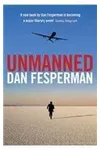
- Unmanned (2014) – A modern thriller about a former fighter pilot who now flies drones from a trailer in Nevada, only to find himself targeted by a conspiracy closer to home.
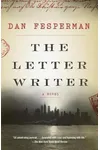
- The Letter Writer (2016) – Set in World War II-era New York City, pairing a young detective with an enigmatic clerk who knows the city's deepest, darkest secrets.
- Pariah (2025) – A dark, satirical spy thriller about a disgraced former Congressman who is recruited by the CIA because an Eastern European dictator happens to be a massive fan of his old, lowbrow comedy movies.
What to Know Before You Start
Before diving into Dan Fesperman's work, it is helpful to keep a few details in mind:
- Journalistic Realism: Fesperman traveled extensively as a foreign correspondent, covering wars in Bosnia, Afghanistan, and the Persian Gulf. This firsthand experience heavily influences the gritty, realistic settings of his novels.
- Moral Complexity: Fesperman does not write simple "good vs. evil" spy stories. His protagonists are often deeply flawed, and the intelligence agencies they work for are depicted with a high degree of skepticism and bureaucratic realism.
- Historical Grittiness: Whether writing about 1942 New York, 1979 Berlin, or post-9/11 Afghanistan, Fesperman takes great care to capture the precise cultural, political, and physical atmosphere of the period.