

Where to Start: The Recommended Reading Path
Dan Rather's bibliography consists primarily of memoirs, collections of reporting, and essays on American civic life. Because these books are non-fiction, you do not need to follow a strict chronological narrative. However, selecting the right entry point depends on what you want to get out of his writing:
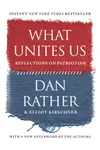
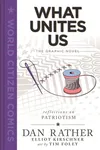
- For the Civic-Minded Reader: Start with What Unites Us: Reflections on Patriotism (2017). Written in collaboration with Elliot Kirschner, this collection of essays is Rather's most popular modern work. It focuses on the core values of democracy, education, the arts, and community. It serves as a gentle, thoughtful primer on civic unity.
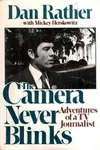
- For the Broadcast Journalism Enthusiast: Start with The Camera Never Blinks: Adventures of a TV Journalist (1977). This book provides an inside look at the high-stakes world of investigative reporting during pivotal historical moments like the JFK assassination and the Watergate scandal.
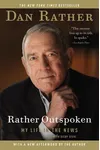
- For a Comprehensive Career Retrospective: Start with Rather Outspoken: My Life in the News (2012). This memoir serves as an updated, candid look back at his entire career, including his controversial departure from CBS News and his reflections on the changing landscape of modern media.
Publication Order of The Camera Never Blinks Books
Rather wrote a two-part memoir series capturing his years on the frontlines of broadcast news. Co-authored with Mickey Herskowitz, these books are best read in order of publication to follow his career trajectory from field reporter to network anchor:
- The Camera Never Blinks: Adventures of a TV Journalist (1977) – Focuses on his early career, his rise through the ranks at CBS, and his time reporting on the Civil Rights Movement, the Vietnam War, and the Nixon administration.
- The Camera Never Blinks Twice: The Further Adventures of a Television Journalist (1994) – Picks up where the first memoir left off, covering his tenure as the anchor of the CBS Evening News, the Gulf War, and the evolution of television news into the 1990s.
Chronological List of Dan Rather's Standalone Non-Fiction
For readers who want to see how Rather's perspective shifted alongside the changing political and media landscape of the United States, reading his non-fiction works in order of publication offers a fascinating historical journey:
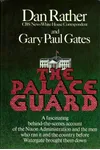
- The Palace Guard (1974) – Co-authored with Gary Paul Gates, this early work offers a sharp, contemporary analysis of the Nixon administration's inner circle and the dynamics that led to the Watergate scandal.
- I Remember (1991) – Written with Peter Wyden, this memoir shifts focus to Rather's childhood, growing up in Texas during the Great Depression, and the personal experiences that shaped his worldview.
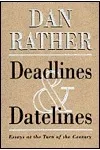
- Deadlines & Datelines (1999) – A collection of Rather's columns, radio transcripts, and essays that captures the major news stories and cultural shifts of the late 20th century.
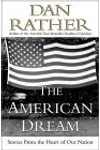
- The American Dream: 50 Years of Extraordinary Stories from Extraordinary Lives (2001) – A patriotic collection of profiles highlighting ordinary Americans who achieved extraordinary things, showcasing national resilience and hope.
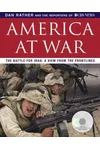
- America at War: The Battle for Iraq: A View from the Frontlines (2003) – Compiled alongside the reporters of CBS News, this book provides embedded journalistic accounts, photos, and analysis of the initial invasion of Iraq.
- Rather Outspoken: My Life in the News (2012) – A candid memoir co-written with Digby Diehl detailing his battles over journalistic integrity, the aftermath of the controversial 2004 CBS report on President George W. Bush's National Guard service, and his move to independent journalism.
- What Unites Us: Reflections on Patriotism (2017) – A collection of personal essays co-written with Elliot Kirschner, arguing for a shared definition of patriotism grounded in civic duty, empathy, and truth.
World Citizen Comics: Exploring Rather's Graphic Novel Adaptations
In recent years, the civics-oriented graphic novel line World Citizen Comics (published by First Second Books) has aimed to educate readers on democratic institutions. While local database listings sometimes group these books under a single banner, readers should note that Dan Rather did not write all of them. Rather's involvement is specific:
- What Unites Us: The Graphic Novel (2021) – This is a direct graphic novel adaptation of Rather's 2017 book, adapted alongside Elliot Kirschner and illustrated by Tim Foley. It translates Rather's essays on civic values into visual storytelling.
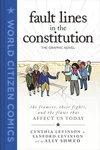
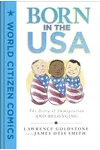
- Fault Lines in the Constitution (2020) and Born in the USA: The Story of Immigration and Belonging (2024) – These books are part of the same World Citizen Comics imprint but were written by other authors (Cynthia & Sanford Levinson, and Lawrence Goldstone, respectively). Rather did not write these books, though he has publicly endorsed and promoted the series for its educational value.
What to Know Before You Start: Continuity, Co-authors, and Style
Because Rather's books span over fifty years of American history, keeping a few key details in mind will help enhance your reading experience:
- Collaborations and Co-Authors: Rather frequently collaborated with experienced writers and historians to shape his books. Mickey Herskowitz helped frame his early memoirs, Gary Paul Gates brought political expertise to The Palace Guard, and Elliot Kirschner has been his primary writing partner for his modern civic essays and newsletter projects.
- Standalone Nature: Every book in Rather's catalog can be read completely independently. Even the Camera Never Blinks memoirs are self-contained enough that a reader can pick up either one and understand the context, though reading them in order provides a smoother chronological flow.
- Evolving Perspectives: Reading Rather's work chronologically shows a clear shift. His early work (1970s–1990s) is highly journalistic, focused on breaking news, reporting ethics, and political scandals. His later work (2010s–present) is much more reflective, shifting away from immediate deadlines to focus on long-term democratic values, historical legacy, and national unity.