
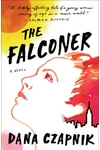
Where to Start Reading Dana Czapnik
If you want to dive into Dana Czapnik's literary world, your starting point is clear-cut: her debut novel, The Falconer (published in 2019). Because Czapnik has focused on standalone fiction and essay writing rather than sprawling multi-volume fantasy or crime series, you do not need to navigate complex timelines or reading orders. Grab a copy of The Falconer and transport yourself straight to the street basketball courts of Manhattan in 1993.
The Falconer (2019): Publication & Setting
Published by Atria Books (an imprint of Simon & Schuster) in the United States and Faber & Faber in the United Kingdom, The Falconer is a vibrant, muscularly written coming-of-age novel. It follows Lucy Adler, a seventeen-year-old basketball phenom who spends her days playing pick-up games with boys on the public courts of New York City. Through Lucy's observant, sharp, and introspective eyes, readers experience the grit, artistic energy, and complex social dynamics of NYC during the tail end of the twentieth century.
Key details for the novel include:
- Publication Date: January 29, 2019
- Primary Setting: Manhattan, New York City (Autumn 1993)
- Key Themes: Female ambition, gender double standards, unrequited love, class disparities, and the power of art.
What to Know Before You Start
Before you crack open Czapnik's novel, keep these distinct stylistic and thematic elements in mind:
- A Feminist Catcher in the Rye: Many critics and readers compare Lucy Adler to a modern, feminist counterpart of Holden Caulfield. She is deeply observant, somewhat cynical, intellectual, and struggles with the expectations placed upon young women in a male-dominated athletic space.
- Deep Sports Authenticity: Before publishing fiction, Czapnik worked as a sports journalist for ESPN The Magazine, the United States Tennis Association, and the Arena Football League. This background shines through in her basketball scenes, which are fast-paced, highly detailed, and capture the physical poetry of the sport.
- The Pre-Internet Aesthetic: The story is firmly anchored in 1993. It captures a specific cultural pocket of New York City—filled with cassettes, public payphones, indie movies, and the physical geography of a city before digital connectivity changed how teenagers interact.
Expanding Your Reading: Essays and Short Fiction
If you finish the novel and want to explore more of Czapnik's voice, you can seek out her various articles and essays. While these have not yet been compiled into a standalone anthology, they are available in public archives online:
- Literary Hub (LitHub): Look for her essay "I Saw My Novel’s Protagonist Walking Across the Street" (2019), which details how she visualizes characters and the experience of seeing a stranger embody her protagonist, Lucy.
- The Guardian: Czapnik has contributed culture and opinion pieces discussing literature and life in New York.
- ESPN & Electric Literature: Her essays frequently bridge the gap between physical athleticism, personal identity, and creative writing.
Top Read-Alikes to Pick Up Next
Since Czapnik has only one published novel to date, you might find yourself wanting similar stories once you finish. Here are the best book recommendations that share her unique vibe:
1. The Unbearable Lightness of Being by Milan Kundera
This classic is explicitly read by Lucy Adler during the events of The Falconer. If you want to understand Lucy's intellectual framing of love, life, and lightness versus weight, picking up Kundera's masterpiece is a perfect companion read.
2. How to Build a Girl by Caitlin Moran
If you loved the candid, funny, and unapologetic narration of a teenage girl figuring out her identity, class, and sexuality, Moran's coming-of-age novel offers a similarly empowering and witty journey.
3. Conversations with Friends by Sally Rooney
For readers who appreciated the delicate, sharp, and sometimes painful navigation of close friendships and romantic yearning in The Falconer, Sally Rooney's debut offers a matching focus on the inner lives of young women.
4. Now Is Not the Time to Panic by Kevin Wilson
This novel captures the intense, artistic, and formative bonds of teenage friendship in the pre-internet 1990s, making it an excellent follow-up for readers looking to stay in that specific decade's atmosphere.