
![[insert] boy](https://images.booksonboard.com/books/101945/thumbnail/insert-boy.webp)
Recommended Reading Path
While you can read Danez Smith's books in any order since they are standalone collections of poetry, following a structured path reveals their growth as a writer, a community member, and a voice of social resistance. Here is our recommended path to guide your journey:
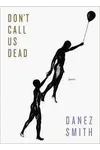
1. Start with the Breakthrough: Don't Call Us Dead (2017)
For most readers, the absolute best starting point is their second full-length collection, Don't Call Us Dead. This collection opens with the unforgettable, epic poem "Dear White America" and features "summer, somewhere," which imagines an afterlife for Black boys killed by police. It is a stunning, emotionally raw masterpiece that perfectly showcases Smith’s unique voice. It was a finalist for the National Book Award and won the Forward Prize for Best Collection, making it the ideal entry point to appreciate Smith's power.
2. Return to the Roots: [insert] boy (2014)
Once you have experienced their breakthrough, go back to the debut that started it all. [insert] boy won the Lambda Literary Award for Gay Poetry. This collection is a deeply personal, lyrical exploration of Black queer boyhood, masculinity, and identity. It sets the foundational themes of body, desire, and survival that Smith carries throughout their entire body of work.
3. Experience the Intimacy: Black Movie (2015) & Homie (2020)
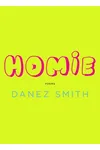
Next, dive into the work that celebrates friendship and cinematic perspective. Read the chapbook Black Movie, which acts as a thematic bridge exploring Blackness through the lens of cinema. Follow this with Homie, a collection written as a love letter to friendship, joy, and survival in the face of systemic trauma. Homie highlights Smith's versatility, offering a lighter yet still deeply moving celebration of community.
4. Witness Artistic Reckoning: Bluff (2024)
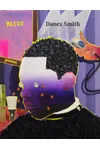
Finally, read Smith's fourth major collection, Bluff. Written in the years following the 2020 murder of George Floyd and the subsequent uprisings in Minneapolis and St. Paul, this collection is a formal departure and a intense self-interrogation. It asks what the role of a poet is when their community is burning, exploring guilt, place, and the limits of language. It is best read last because it directly dialogues with the themes established in their earlier collections.
Danez Smith Books in Publication Order
Poetry Collections and Chapbooks
Smith has published four full-length poetry collections and a couple of chapbooks. In poetry, chapbooks are shorter collections (usually under 40 pages) that often explore a specific theme or serve as experimental preludes to larger works. Here is the publication order of Danez Smith's primary poetry works:
- [insert] boy (2014) – Smith's debut full-length collection, published by YesYes Books. It focuses on youth, race, and sexuality.
- Black Movie (2015) – A cinematic-themed chapbook published by Button Poetry, which won the 2014 Button Poetry Prize. It uses cinematic tropes to critique the real-world treatment of Black lives.
- Don't Call Us Dead (2017) – A full-length collection published by Graywolf Press. It deals heavily with police violence, the afterlife, and Smith's own HIV-positive diagnosis.
- Homie (2020) – A full-length collection published by Graywolf Press. It is themed around deep friendship, intimacy, and the salvation found in community.
- Bluff (2024) – A full-length collection published by Graywolf Press. This book is a reckoning with the Twin Cities, historical redlining, and the aftermath of the 2020 uprisings.
Anthologies Featuring Danez Smith
In addition to their solo collections, Smith has been a featured contributor in several notable anthologies. These collections provide excellent entry points if you want to read Smith's work alongside other contemporary American voices:
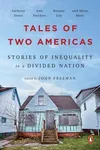
- Tales of Two Americas: Stories of Inequality in a Divided Nation (2017) – Edited by John Freeman, this anthology includes Smith's poignant poem "i'm sick of pretending to give a shit about what whypeepo think," exploring societal and economic inequality.
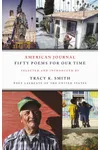
- American Journal: Fifty Poems for Our Time (2018) – Selected and introduced by Tracy K. Smith, this collection features Danez Smith's acclaimed poem "from summer, somewhere."
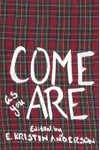
- Come As You Are (2018) – Edited by E. Kristin Anderson, this anthology celebrates 1990s pop culture and includes Smith's poem "23 positions in a One-Night Stand."
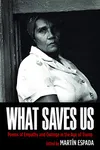
- What Saves Us: Poems of Empathy and Outrage in the Age of Trump (2019) – Edited by Martín Espada, this anthology compiles political and social poems from diverse contemporary writers, including Smith.
Chronological Flow and Reading Caveats
Because poetry collections are not narrative novels, there is no strict continuity or "spoilers" to worry about. However, reading Smith's collections in publication order acts as a chronological mirror to their life and the social landscape of America over the past decade. For instance, the transition from the deeply personal struggles of youth in [insert] boy (2014) to the collective grief of Don't Call Us Dead (2017) captures the rising national consciousness around police brutality and the Black Lives Matter movement. Similarly, Bluff (2024) acts as a direct response to the events of 2020, making its impact far more resonant if you have already read the pre-2020 collections like Homie.
What to Know Before You Start
To fully appreciate Danez Smith's poetry, readers should keep a few stylistic and structural elements in mind:
- The Dual Title of Homie: The cover of their third collection reads Homie, but the title page reveals the book is actually titled My Nig. Smith intentionally chose this dual title so that the book could be publicly marketed and spoken about by non-Black readers (using the word "Homie") without forcing them to say a racial slur, while retaining the intimate, private title (My Nig) as a direct message of affection and safety for Black readers.
- Spoken Word Roots: Smith is a celebrated slam poet and a former finalist at the Individual World Poetry Slam. Their page poetry is highly musical, rhythmic, and meant to be heard. When reading their work, try reading the poems aloud to fully capture the cadence, breath, and performance quality woven into the punctuation and line breaks.
- Form and Layout: Smith experiments heavily with how words sit on the page. You will encounter poems that use columns, varied font sizes, and unconventional spacing. Don't let these unusual structures intimidate you; treat the layout as a musical score that dictates the speed, pauses, and emphasis of the reading.
The Dark Noise Collective and Community
Danez Smith does not write in a vacuum. A major part of their creative identity is tied to the Dark Noise Collective, a multi-genre collective of queer, POC artists they co-founded alongside poets like Fatimah Asghar, Franny Choi, Jamila Woods, Aaron Samuels, and Nate Marshall. The collective uses performance and writing to speak radical truths. If you love Smith's work, exploring the individual poetry and musical projects of their Dark Noise peers is the perfect logical next step to expand your reading list.
Practical Reader Advice
Here are some final tips to get the most out of your reading experience:
- Can they be read standalone? Absolutely. Every collection is self-contained. You do not need to buy all of them at once to understand one.
- What about chapbooks? Chapbooks like hands on ya knees (2013) and Black Movie (2015) can be harder to find in physical stores than the full-length books, but they offer fascinating glimpses into Smith's evolving craft. Black Movie is highly recommended if you enjoy pop-culture critiques.
- Where to find audio recordings: Because of Smith's performance background, look up videos of them reading "Dear White America" or "from summer, somewhere" on YouTube or the Poetry Foundation website before you read the books. Hearing their vocal delivery will transform how you read their text on the page.