


Where to Start Reading Daniel Alarcón
Because Daniel Alarcón’s bibliography consists of standalone novels, short story collections, graphic novels, and multimedia audio journalism, there is no single chronological narrative sequence to follow. Instead, your entry point depends on the style of storytelling you prefer. Here are the three most recommended starting paths to begin your journey:
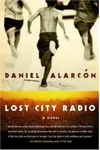
- The Novel Path (Recommended Start): Begin with Lost City Radio (2007). As Alarcón's debut novel, it serves as the perfect introduction to his signature themes of civil conflict, trauma, memory, and political disappearances in an unnamed Latin American nation. It is both a page-turning mystery and a profound study of grief.
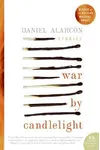
- The Short Story Path: Begin with his debut collection, War by Candlelight (2005). These stories are emotionally rich, concise, and offer a raw look at characters surviving amidst urban poverty and political turmoil. Reading this collection first also introduces you to the original short story version of "City of Clowns."
- The Audio Journalism Path: Start listening to Radio Ambulante. If you appreciate narrative non-fiction and want to experience Alarcón's work in audio form, this NPR-distributed podcast showcases real-life Latin American stories told with the same narrative tension, depth, and empathy found in his literary fiction.
The Standalone Novels
Alarcón has written two major novels. While they do not feature overlapping characters or direct plot continuities, they share deep thematic ties, focusing on the psychological scars left by civil war, totalitarian regimes, and the performative nature of identity under duress.
Lost City Radio (2007)
Set in a nameless country recovering from a devastating ten-year civil war, the novel follows Norma, the host of a popular radio program that helps listeners locate loved ones who disappeared during the conflict. When a young boy from a remote jungle village arrives at the station with a list of names, Norma is forced to confront the mystery of her own husband's disappearance. It is a slow-burn, atmospheric, and politically charged mystery that reads like a modern fable of collective trauma, memory, and state-sponsored silence.
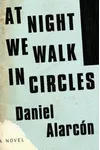
At Night We Walk in Circles (2013)
A finalist for the PEN/Faulkner Award, this novel explores the life of Nelson, an aspiring young actor who lands a career-defining role in a revival of a legendary, politically subversive play called The Idiot President. As the theater troupe tours the mountainous villages of a country recovering from a past dictatorship, the boundaries between the play, the actors' real lives, and the political reality of the region begin to blur. It is a metafictional, tragicomic journey about art, obsession, memory, and how societies repeat the mistakes of the past.
The Short Story Collections and Graphic Novels
Alarcón's short fiction is highly acclaimed, frequently appearing in prestigious publications such as The New Yorker and Granta. These stories are essential reading for those wanting to explore his shorter, more punchy narratives.
War by Candlelight (2005)
This debut collection contains nine stories that range from the slums of Lima to the streets of New York. The characters are frequently caught between different worlds—migrants, street performers, and former guerilla fighters trying to rebuild their lives in the shadow of war. The collection was a finalist for the PEN/Hemingway Award and established Alarcón as a vital voice in contemporary bilingual literature.
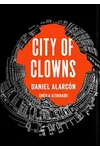
City of Clowns (2011 / 2015)
Originally published as the standout short story "City of Clowns" in War by Candlelight, this narrative was adapted into a beautiful standalone graphic novel. Illustrated by Peruvian artist Sheila Alvarado, it was first published in Spanish as Ciudad de Payasos in 2010/2011, with the English translation released in 2015. It follows Oscar "Chino" Uribe, a journalist in Lima who goes undercover to write about street clowns after the death of his father, using the clowns' disguises to examine his own grief, family secrets, and identity.
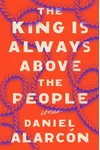
The King Is Always Above the People (2017)
A finalist for the National Book Award, this collection contains ten stories examining the modern immigrant experience, the challenges of masculinity, and the fragile relationships between fathers and sons. The stories are sharp and contemporary, focusing on the choices individuals make when forced to leave their homes, navigate new landscapes, or confront the heavy weight of their heritage.
Non-Fiction and Curations
In addition to his creative writing, Alarcón has curated compilations and contributed to numerous literary anthologies:
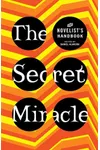
- The Secret Miracle: The Novelist's Handbook (2010): Edited by Alarcón, this book is not a typical writing manual. It is a compilation of roundtable interviews featuring 54 prominent contemporary novelists (including Mario Vargas Llosa, Paul Auster, and Amy Tan) who peel back the curtain on their creative processes. The title is a tribute to Jorge Luis Borges's famous short story of the same name.
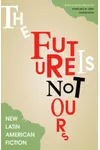
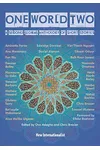
- Anthology Contributions: Alarcón has been featured in and edited several notable collections, including The Future Is Not Ours: New Latin American Fiction (2009), Immigrant Voices: 21st Century Voices (2014), and One World Two (2016).
The Audio Universe: Radio Ambulante & El Hilo
For many, Daniel Alarcón is best known for his work in audio journalism. In 2012, he co-founded Radio Ambulante, a Spanish-language podcast distributed by NPR that focuses on narrative journalism across Latin America and the United States. In 2020, his studio launched El Hilo, a weekly news podcast offering in-depth analysis of the region's most pressing current events. These audio projects act as a natural extension of his fiction, grounding his thematic focus on migration, identity, and politics in real-world human stories. Listeners can use the Lupa educational app to learn Spanish through the podcast's narrative episodes.
What to Know Before You Start
Before diving into Daniel Alarcón’s works, keep the following context in mind to enhance your reading experience:
- The Unnamed Latin American Settings: Alarcón deliberately avoids naming the countries in his novels, despite drawing heavily on Peru's geography and the history of the Shining Path conflict. He does this to keep the themes of trauma, exile, and healing universal and relatable to multiple regions.
- Bicultural and Bilingual Identity: Born in Peru and raised in Alabama, Alarcón writes primarily in English, but his stories are deeply rooted in Spanish-speaking cultures and often translated back into Spanish. The graphic novel City of Clowns, for example, represents a unique collaboration between his English prose and Sheila Alvarado's visual representation of Lima.
- Journalistic Roots: Alarcón is a trained journalist and an associate professor at the Columbia University Graduate School of Journalism. His fiction carries the precision, research, and observational detail of a reporter, making his fictional worlds feel incredibly realistic and urgent.