


































Where to Start with Daniel Stashower
Daniel Stashower is uniquely positioned in the mystery landscape: he is both a former professional magician and an Edgar Award-winning narrative historian. If you prefer clever, atmospheric historical mystery fiction, the best place to start is with his Harry Houdini Mysteries, starting with The Dime Museum Murders (1999). If you prefer thrilling, meticulously researched historical true crime and biography, start with Teller of Tales: The Life of Arthur Conan Doyle (1999) or American Demon: Eliot Ness and the Hunt for America's Jack the Ripper (2022).
The Harry Houdini Mystery Series
Stashower's primary fiction contribution is his trilogy featuring the legendary escape artist Harry Houdini as an amateur detective. These novels make excellent use of Stashower’s own background in magic, creating authentic, puzzle-like plots filled with illusion and historical flavor. They should be read in publication order to appreciate the evolving relationships between Houdini, his wife Bess, and his brother Dash:
- The Dime Museum Murders (1999) – Harry Houdini is hired to investigate a series of thefts and murders tied to a dime museum, drawing on his early career before he achieved global fame.
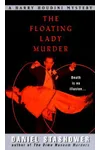
- The Floating Lady Murder (2000) – Houdini attempts to clear his name and solve the murder of a woman found dead inside a trunk designed for a classic levitation illusion.
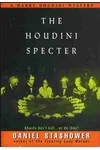
- The Houdini Specter (2001) – Houdini is drawn into the world of spiritualism and fraudulent mediums, investigating a mysterious spirit manifestation in New York.
The Sherlock Holmes Connection: The Ectoplasmic Man
Before writing the Houdini series, Stashower published his debut novel in 1985: The Adventure of the Ectoplasmic Man. This book is a Sherlock Holmes pastiche that brings Holmes, Dr. John Watson, and Harry Houdini together. When Houdini is framed for espionage and a blackmail plot targeting the Prince of Wales, Holmes and Watson step in to clear his name.
In 2009, Titan Books reissued the novel under the shortened title The Ectoplasmic Man as part of their massive multi-author anthology series, The Further Adventures of Sherlock Holmes. While the database lists dozens of titles in this series, Stashower only wrote this single entry. It can be read entirely as a standalone, but it serves as an excellent spiritual prequel to the Harry Houdini trilogy.
Standalone Fiction & Anthologies
Stashower's other major work of fiction is the standalone novel Elephants in the Distance (1989). This mystery focuses on Paul Galliard, a commercial magician whose father died on television performing the dangerous "Bullet Catch" illusion. When Paul is pressured to recreate the stunt, he uncovers a series of suspicious deaths among his father's old colleagues. It is a standalone mystery that remains a hidden gem for fans of magic-centered detective fiction.
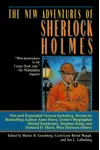
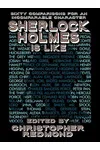
Stashower has also contributed to or edited various mystery anthologies, including the Malice Domestic 7 anthology (1998) and several Sherlock Holmes collections like The New Adventures of Sherlock Holmes (1999) and Sherlock Holmes Is Like (2019).
Award-Winning Narrative Non-Fiction
For many readers, Stashower's most compelling work lies in his narrative histories and biographies. He writes historical non-fiction with the pacing, suspense, and character development of a thriller. These books can be read in any order, though reading them in publication order shows his evolution as a narrative historian:
- Teller of Tales: The Life of Arthur Conan Doyle (1999) – The definitive, award-winning biography of Sherlock Holmes' creator, exploring Conan Doyle’s complex life, his career as a doctor, and his late-life obsession with spiritualism.
- The Boy Genius and the Mogul: The Untold Story of Television (2002) – A narrative recounting the bitter, high-stakes battle between inventor Philo Farnsworth and RCA head David Sarnoff.
- The Beautiful Cigar Girl (2006) – The true story of the 1841 murder of Mary Rogers in New York, and how Edgar Allan Poe used the real-life investigation to write The Mystery of Marie Rogêt.
- The Hour of Peril: The Secret Plot to Murder Lincoln Before the Civil War (2013) – A suspenseful chronicle of the "Baltimore Plot" to assassinate Abraham Lincoln on his way to his first inauguration, and the Pinkerton detectives who foiled it.
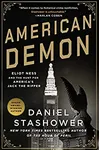
- American Demon: Eliot Ness and the Hunt for America's Jack the Ripper (2022) – A dark, engrossing look at post-Prohibition Cleveland, where lawman Eliot Ness sought to capture the elusive "Torso Killer."
What to Know Before You Start
Stashower’s writing is heavily informed by historical accuracy. Whether he is writing a fictional adventure for Houdini or detailing the historical pursuit of a serial killer in American Demon, his background research is exceptionally deep. If you are starting with his fiction, be prepared for a lighter, more whimsical tone that relies on clever stage magic tricks and historical appearances. In contrast, his narrative histories (especially The Hour of Peril and American Demon) are more dramatic, intense, and grounded in the harsh realities of their respective eras.