
How to Start Reading Daniel Woodrell's Books
If you are new to the grit and poetry of Daniel Woodrell’s "country noir," you might wonder where to begin. Because the vast majority of Woodrell’s novels are standalone stories set in different pockets of the American landscape, you have plenty of flexibility. However, depending on what kind of reader you are, there are two primary entry points that offer the best introduction to his work.
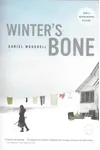
The Definitive Ozarks Starting Point: Winter’s Bone (2006)
For most readers, the absolute best place to start is Winter's Bone. Published in 2006, this novel represents the peak of Woodrell’s signature style. The story follows sixteen-year-old Ree Dolly as she navigates the snowy, meth-ravaged hills of the Missouri Ozarks to locate her missing father and save her family from losing their home. It is a masterpiece of tension, family loyalty, and survival, written in prose that is both stark and beautifully poetic. Starting here gives you an immediate sense of the atmosphere, dialect, and thematic depth that defined Woodrell’s career.
The Hard-Boiled Starting Point: Under the Bright Lights (1986)
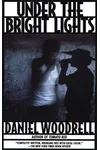
If you prefer traditional crime fiction and want to see the author's voice develop from its earliest stages, start with his debut novel, Under the Bright Lights. This book kicks off the Rene Shade series (commonly known as The Bayou Trilogy). Set in the fictional, swampy city of St. Bruno, Louisiana, it follows detective Rene Shade as he investigates a racially charged murder. While it is more of a traditional noir detective story than his later Ozark novels, it already showcases the sharp dialogue, rich characterizations, and moral ambiguity that would become his trademark.
The Rene Shade Series: The Bayou Trilogy
The only interconnected series Daniel Woodrell wrote is the Rene Shade trilogy. These books are best read in order of publication, as they follow the personal and professional evolution of detective Rene Shade, along with his colorful, chaotic family of outlaws and draft dodgers. In 2011, these three books were collected and published together in a single omnibus titled The Bayou Trilogy.
- Under the Bright Lights (1986): The series opener introduces Rene Shade, a detective who operates in the gritty, corrupt city of St. Bruno. When a local politician is murdered, Shade is drawn into a complex web of conspiracy, racial tension, and family drama.
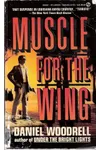
- Muscle for the Wing (1988): In the second installment, a crew of violent convicts arrives in St. Bruno, planning to rob the city's illegal gambling dens. Shade must navigate a turf war between these newcomers and local crime bosses while trying to keep the peace.
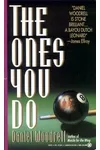
- The Ones You Do (1992): The final book in the trilogy shifts the focus to Shade’s father, John Shade, a pool hustler who returns to town fleeing from a dangerous debt. Rene must step in to protect his family from the violent consequences of his father's past.
The Standalone Novels & The Birth of "Country Noir"
After completing his Louisiana-set trilogy, Woodrell shifted his focus to the Missouri Ozarks, the landscape of his childhood. It was during this period that he coined the phrase "country noir" on the promotional materials for his 1996 novel Give Us a Kiss. These standalone novels are not connected by plot or character, meaning they can be read in any order, though reading them in publication order allows you to appreciate his stylistic evolution.
Woe to Live On (1987)
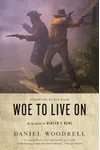
Published between the first and second Rene Shade books, this historical novel is a departure from modern crime. Set during the American Civil War, it follows Jake Roedel, a young guerrilla fighter who joins the pro-Confederate Bushwhackers along the Missouri-Kansas border. It is a brutal, unglamorous look at wartime violence and tribal loyalty. The book was later adapted into the 1999 film Ride with the Devil, directed by Ang Lee, and was re-released under that film's title.
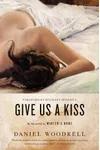
Give Us a Kiss: A Country Noir (1996)
This novel marked Woodrell’s return to contemporary settings and introduced his coined term "country noir." The story centers on Doyle Redmond, a struggling writer who returns to his family's Ozarks home and finds himself dragged into a chaotic, violent dispute over a crop of marijuana. It serves as an excellent bridge between his hard-boiled detective work and his later, more poetic Ozark tragedies.
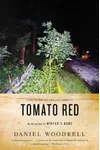
Tomato Red (1998)
Winner of the PEN West Award, this novel tells the story of Sammy Hall, a drift-along thief with a habit of making bad decisions. Sammy falls in with a pair of siblings, Jamalee and Jason Merridew, who dream of escaping their impoverished lives in a small Ozark town. Together, they embark on a series of desperate schemes that spiral out of control. It was adapted into a feature film in 2017.
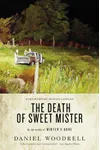
The Death of Sweet Mister (2001)
Often considered Woodrell’s darkest and most unsettling book, this novel is narrated by Shug Akins, a neglected thirteen-year-old boy living in a cemetery caretaker's shack with his drug-abusing mother and her abusive boyfriend. It is a tragic, claustrophobic story of domestic horror and childhood isolation, told in some of the most lyrical prose of Woodrell's career.
Winter’s Bone (2006)
Woodrell’s most famous novel, this book cemented his reputation as a master of rural noir. It provides a stark and unflinching look at the impact of the methamphetamine epidemic on tight-knit, impoverished rural communities, framed as a classic heroine's quest. The 2010 film adaptation directed by Debra Granik was nominated for four Academy Awards, including Best Picture.
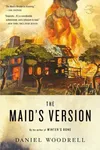
The Maid’s Version (2013)
Woodrell's final novel is a short, haunting piece of historical fiction inspired by a real-life tragedy from his family's history: the 1928 explosion of a dance hall in West Plains, Missouri. The story is told through the memories of Alma Dunahew, a maid who spends her life trying to uncover the truth behind the blast that killed her sister. It is a quiet, elegiac look at memory, grief, and small-town secrets.
Short Stories and Anthologies
In addition to his novels, Woodrell was an accomplished short story writer. His short fiction captures the same grit and local color as his longer works, focusing on characters living on the margins of society.
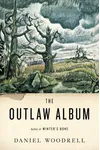
The Outlaw Album (2011)
This is Woodrell's only dedicated short story collection. It contains twelve stories set in the Ozarks, dealing with themes of vengeance, family feuds, neighborly disputes, and the lingering scars of military service. It is a perfect companion piece to his novels, offering bite-sized glimpses into his dark literary world.
Anthology Contributions
Woodrell also contributed to several multi-author anthologies over his career:
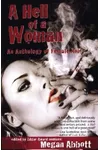
- A Hell of a Woman (2007): Edited by Megan Abbott, this anthology of female-led noir stories features Woodrell's Edgar Award-nominated short story "Uncle," which explores the dark, protective relationships in rural families.
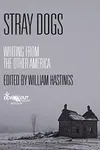
- Stray Dogs: Writing from the Other America (2014): Edited by William Hastings, this collection features essays and fiction exploring the lives of the working class and impoverished in modern America, including contributions from Woodrell.
Daniel Woodrell Books in Publication Order
If you want to read all of Daniel Woodrell's books in the order they were written, here is the complete chronological list of his novels and collections:
- Under the Bright Lights (1986) - Rene Shade Series
- Woe to Live On (1987) - Standalone Historical Novel (also published as Ride with the Devil)
- Muscle for the Wing (1988) - Rene Shade Series
- The Ones You Do (1992) - Rene Shade Series
- Give Us a Kiss (1996) - Standalone Novel
- Tomato Red (1998) - Standalone Novel
- The Death of Sweet Mister (2001) - Standalone Novel
- Winter's Bone (2006) - Standalone Novel
- The Outlaw Album (2011) - Short Story Collection
- The Maid's Version (2013) - Standalone Novel
What to Know Before You Start
Before diving into Woodrell's catalog, it is helpful to keep a few key details in mind. First, his writing style is often described as "poetic dirt." He writes about characters facing severe economic hardship, substance abuse, and violence, but he describes their struggles in highly stylized, rhythmic prose. The language is heavily influenced by the dialect of the Ozark hills, giving it an authentic, local texture.
Second, the settings of his books are characters in their own right. Except for the Louisiana-set Bayou Trilogy, the rugged topography, dense forests, and harsh winters of the Missouri Ozarks shape the plots and limit the options of his characters. Finally, if you enjoy cinematic adaptations, Woodrell’s work has translated exceptionally well to the screen. Both Winter’s Bone and Ride with the Devil are highly regarded film adaptations that capture the dark, atmospheric essence of his novels.