



















Where to Start Reading Daphne du Maurier
Daphne du Maurier was a master of suspense, gothic atmosphere, and psychological tension. Because almost all of her fiction consists of standalone novels and short stories, there is no single "correct" chronological order to read them. However, starting in the wrong place might leave you with a skewed impression of her versatility. To get the most out of her bibliography, we recommend choosing an entry point based on the mood you want to experience.
The Gothic Suspense Path (Recommended Starting Point)
If you want the classic du Maurier experience—brooding estates, psychological mystery, and haunting secrets—start with her most famous works. These books define her literary legacy and showcase her skill at building slow-burn suspense.
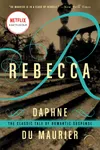
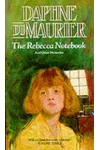
- Rebecca (1938): Widely considered her masterpiece, this psychological thriller follows a young, unnamed narrator who marries a wealthy widower, only to find herself living in the shadow of his late first wife, Rebecca, at the imposing Cornish estate of Manderley. It is the ultimate starting point.
- Jamaica Inn (1936): A darker, grittier Gothic novel set on the bleak Bodmin Moor. It follows Mary Yellan as she is sent to live with her aunt and uncle at the notorious Jamaica Inn, only to discover it serves as a hub for a dangerous gang of coastal wreckers and smugglers.
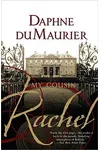
- My Cousin Rachel (1951): A suspenseful mystery that plays with obsession and doubt. When young Philip Ashley meets Rachel, the mysterious widow of his beloved guardian, he falls deeply in love with her, even as he begins to suspect she might have poisoned his cousin.
The Swashbuckling and Historical Path
If you prefer historical drama with romance and adventure rather than pure psychological dread, du Maurier has excellent offerings that trade dark hallways for coastal escapes and wartime conflicts.
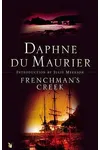
- Frenchman's Creek (1941): A romantic adventure about Lady Dona St. Columb, who escapes the hollow vanity of the London court for her husband’s quiet estate in Cornwall. There, she falls in love with a charming French pirate and joins his daring raids.
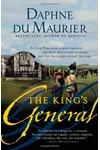
- The King's General (1946): Set during the English Civil War, this historical novel centers on the defiant Honor Harris and her love for the Royalist general Richard Grenvile. It is a story of conflict, physical disability, and enduring loyalty amidst war.
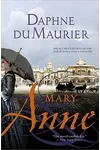
- Mary Anne (1954): A historical novel based on the life of du Maurier's own great-great-grandmother, Mary Anne Clarke, who became the mistress of the Duke of York and used her wits to survive and thrive in Regency-era England.
The "Cornish Novels" and Their Thematic Connections
While Daphne du Maurier's books do not share recurring characters or direct plot continuations, many of them are grouped together by readers as the "Cornish Novels." Cornwall is not just a backdrop in these stories; it acts as a living character. Du Maurier lived in Cornwall for much of her life, and real landmarks inspired her fictional settings.
For example, the imposing estate of Manderley in Rebecca was inspired by Menabilly, a historic Cornish mansion that du Maurier fell in love with, eventually leased, and restored. Menabilly also inspired settings in My Cousin Rachel and The King's General. You do not need to read these books in any specific sequence, but reading them consecutively allows you to experience how Cornwall's rugged coast, mist-shrouded moors, and hidden creeks shaped her creative imagination.
The Rebecca Expansion: Sequels and Companion Novels
Due to the enduring popularity of Rebecca, the Daphne du Maurier estate has officially authorized two novels by other authors to expand the world of Manderley. If you finish Rebecca and want more of the story, you can explore these companion works:
- Mrs de Winter by Susan Hill (1993): A direct sequel that picks up roughly ten years after the events of Rebecca. It follows Maxim de Winter and his second wife as they return to England from their self-imposed exile in Europe, only to find that the past—and Mrs. Danvers—will not release them.
- Rebecca's Tale by Sally Beauman (2001): A companion novel set twenty years after Rebecca's death. It uses multiple narrators, including a scholar and Colonel Julyan's daughter, to investigate the real history of Rebecca. It also contains a "prequel" diary segment written from Rebecca's own perspective.
The Macabre: Short Stories and Sci-Fi Themes
Beyond her full-length novels, du Maurier was a prolific writer of short fiction, often leaning heavily into horror, science fiction, and the macabre. Many of her short stories are more unsettling and bizarre than her novels.
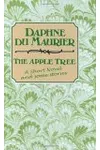
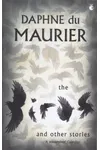
- The Birds (First published in the collection The Apple Tree, 1952): Unlike Alfred Hitchcock's famous film adaptation set in California, du Maurier's original chilling story is set in a bleak, post-WWII Cornwall, where agricultural worker Nat Hocken tries to protect his family from sudden, coordinated attacks by flocks of birds.
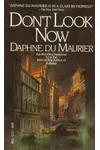
- Don't Look Now (First published in 1971): A psychological thriller set in Venice, following a grieving couple who meet two elderly sisters, one of whom claims to be psychic and warns them of danger. This story was adapted into a celebrated 1973 film.
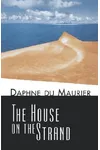
- The House on the Strand (1969): A unique blend of science fiction and historical fiction, where the protagonist uses an experimental drug to mentally travel back in time to 14th-century Cornwall, becoming dangerously addicted to watching the lives of the past unfold.
Castle Dor: A Posthumous Collaboration
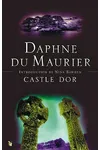
One unique book in du Maurier's bibliography is Castle Dor (1961/1962). The novel was originally begun by Sir Arthur Quiller-Couch, a mentor and friend to du Maurier. Following his death in 1944, the manuscript remained unfinished for years. In 1959, Quiller-Couch's daughter asked du Maurier to complete it. The resulting book is a modern retelling of the Tristan and Iseult legend, set in 19th-century Cornwall, where a young woman and an onion seller find themselves reenacting the tragic, fated romance of the ancient lovers. It stands as a seamless collaboration where it is hard to tell where one author's work ends and the other's begins.
Complete List of Standalone Novels in Publication Order
If you prefer to read du Maurier's novels in the order they were written to trace her evolution as a writer, here is the chronological list of her standalone novels:
- The Loving Spirit (1931)
- I'll Never Be Young Again (1932)
- The Progress of Julius / Julius (1933)
- Jamaica Inn (1936)
- Rebecca (1938)
- Castle Dor (1940 / published 1962)
- Come Wind, Come Weather (1940)
- Frenchman's Creek (1941)
- Hungry Hill (1943)
- The King's General (1946)
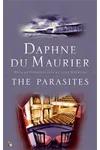
- The Parasites (1949)
- My Cousin Rachel (1951)
- Mary Anne (1954)
- The Scapegoat (1957)
- The Glass-Blowers (1963)
- The Flight of the Falcon (1965)
- The House on the Strand (1969)
- Don't Look Now (1971)
- Rule Britannia (1972)
What to Know Before You Start
Daphne du Maurier's work is often categorized as romance, but modern readers should be prepared for something much darker and more psychologically complex. Her romances are rarely happy; they are frequently filled with obsession, jealousy, deception, and ambiguity. She was a master of the open or unresolved ending, leaving readers to debate the guilt or innocence of her characters long after the final page. If you are expecting a traditional, neat Regency romance, her novels will surprise you with their sharp edge and psychological realism.