







The Recommended Reading Paths
Dashiell Hammett did not write a single, sprawling chronological series. Instead, he pioneered the hard-boiled detective genre across three distinct character-driven lines and a handful of standalones. Depending on what you are looking for, there are three ideal entry points:
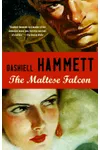
- For the Classic Detective Experience: Start with The Maltese Falcon (1930). This is the definitive private eye novel, introducing the cynical yet principled Sam Spade. It is highly accessible, beautifully written, and serves as the perfect introduction to Hammett's style.
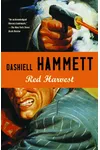
- For Gritty, High-Octane Action: Start with Red Harvest (1929). Featuring the unnamed Continental Op, this novel is fast-paced, violent, and deals with deep-seated municipal corruption. It reads like a precursor to modern noir action films.
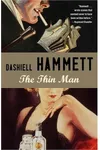
- For Witty, Lighter Sleuthing: Start with The Thin Man (1934). If you prefer playful banter, marital chemistry, and a lighter touch alongside your murder mystery, the adventures of Nick and Nora Charles are the perfect place to begin.
Publication Order of Dashiell Hammett's Major Novels
If you prefer to see Hammett's writing evolve in the order it was presented to the public, you can read his major novels chronologically by publication. Note that many of these works were serialized in magazines like Black Mask before appearing in book form:
- Red Harvest (1929) – The first Continental Op novel, setting a new bar for gritty realism.
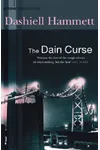
- The Dain Curse (1929) – The second and final Continental Op novel, dealing with a family curse, cults, and physical addiction.
- The Maltese Falcon (1930) – The standalone masterpiece that immortalized Sam Spade.
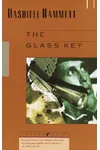
- The Glass Key (1931) – A gritty political thriller featuring Ned Beaumont, a gambler and political boss's right-hand man. Hammett considered this his best work.
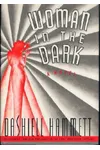
- Woman in the Dark (1933) – A fast-paced, dark novella about a woman escaping a toxic relationship, first published in Liberty magazine and later collected in book form.
- The Thin Man (1934) – Hammett's final published novel, introducing retired detective Nick Charles and his wealthy wife Nora.
Understanding Hammett's Core Series
The Continental Op
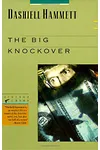
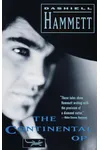
The Continental Op is an unnamed investigator working for the Continental Detective Agency in San Francisco. He is shorter, heavier, and older than the typical Hollywood detective, relying on patience, observation, and occasional brute force. The Op appears in two full-length novels (Red Harvest and The Dain Curse) and 28 short stories originally published between 1923 and 1930. To experience his complete journey, you should read the short story collections alongside the novels. Key collections include The Big Knockover (1966) and The Continental Op (1974).
Sam Spade
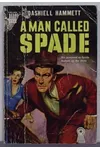
Despite his massive cultural impact, Sam Spade only appears in one novel, The Maltese Falcon, and three short stories: "A Man Called Spade", "Too Many Have Lived", and "They Can Only Hang You Once". These stories were first published in magazines in 1932 and were later gathered in collections like The Adventures of Sam Spade and Other Stories (1944). Because of this limited bibliography, you can easily read everything featuring Spade in a single weekend.
Nick and Nora Charles
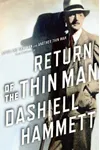
Nick and Nora Charles only appeared in a single novel, The Thin Man. However, their massive popularity spawned a highly successful film franchise. While Hammett did not write subsequent novels, he did pen screen treatments for the movie sequels. These treatments, which read much like novellas, were edited and published in 2012 in the collection Return of the Thin Man, making it essential reading for fans who want to follow the couple beyond the original book.
Practical Reader Advice and Caveats
One common point of confusion is They Can Only Hang You Once. While some databases and publishers list this as a standalone novel published in 1944, it is actually a Sam Spade short story first published in 1932. The confusion stems from a 1944 Mercury Mystery edition that used the story's title for a collection of Hammett's work. Additionally, Woman in the Dark is a novella rather than a full-length novel, but it is highly recommended for its moody, compressed narrative.
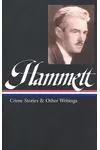
For the short stories, do not worry too much about strict chronological reading. Hammett wrote them as episodic adventures for pulp magazines, meaning they can be enjoyed in almost any order. Focus on getting a well-curated collection, such as the Library of America's Dashiell Hammett: Crime Stories and Other Writings, which organizes his best short fiction in order of original publication.