



Where to Start with Dave Grossman
Lt. Col. Dave Grossman's bibliography is divided into two distinct universes: his influential non-fiction studies on combat psychology and his collaborative military science fiction series. For the majority of readers, starting with his non-fiction is the logical choice, as it represents his life's work and forms the basis of the 'killology' training used by military and law enforcement personnel worldwide. If you want to jump straight into his fiction, you can dive directly into his sci-fi duology.
The Recommended Non-Fiction Path
Grossman's non-fiction works focus on how the human mind reacts under the extreme stress of lethal conflict. To get the most out of his theories, we recommend reading them in a specific developmental order rather than strict publication order:
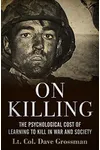
- On Killing: The Psychological Cost of Learning to Kill in War and Society (1995): Begin here. This is Grossman's seminal work, establishing the core theory that humans have an innate resistance to killing their own kind and exploring how modern military training overcomes this resistance.
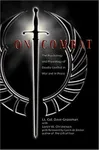
- On Combat: The Psychology and Physiology of Deadly Conflict in War and in Peace (2004): Read this second. Co-authored with Loren W. Christensen, this volume shifts focus to the physical and physiological survival mechanisms during high-stress situations, such as tunnel vision, memory distortions, and post-combat recovery.
- Stop Teaching Our Kids to Kill: A Call to Action Against TV, Movie and Video Game Violence (1999): Read this next for a societal application of his theories. Co-authored with Gloria DeGaetano, it argues that violent media acts as a form of psychological conditioning similar to military training.
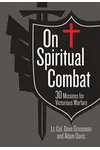
- On Spiritual Combat (2020): Co-authored with Adam Davis, this serves as a spiritual and devotional guide tailoring his psychological principles for active duty military, law enforcement, and first responders.
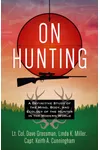
- On Hunting: A Definitive Study of the Mind, Body, and Ecology of the Hunter in the Modern World (2023): Co-authored with Linda K. Miller and Keith A. Cunningham, this book applies his physiological observations to the history and biology of hunting.
The Two-Space War Sci-Fi Series
Aside from his psychology texts, Grossman co-authored a unique military science fiction series. Set in a future where high technology fails in a two-dimensional medium called 'Two-Space,' humanity must sail between planetary islands on wooden, sentient starships. This series should be read in chronological publication order:
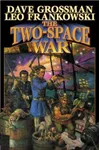
- The Two-Space War (2004): Co-authored with Leo Frankowski. This book introduces the universe, the mechanics of Two-Space, and the integration of Grossman's real-world combat psychology into space warfare.
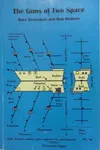
- The Guns of Two-Space (2007): Co-authored with Bob Hudson. The direct sequel that concludes the primary narrative of humanity's fight against the Orc-like creatures threatening their colonies.
Addressing the 'Two Dave Grossmans' Identity Mix-Up
If you search for Dave Grossman online, you will likely encounter a confusing mix of children's books alongside military manuals. This is the result of a classic database error conflating two different writers with the same name:
- Dave Grossman (The Game Designer): A prominent video game writer and designer famous for his work on classic LucasArts games like The Secret of Monkey Island and Day of the Tentacle. He wrote the children's books Mission to the Moon (2000) (featuring Pajama Sam) and Freddi Fish: The Missing Letters Mystery (2000). Lt. Col. Dave Grossman did not write these.
- Lt. Col. Dave Grossman (The Soldier & Scholar): The author of the combat psychology books and the Two-Space War novels. His only entry into children's and family literature is Sheepdogs: Meet Our Nation's Warriors (2013) (co-authored with Stephanie Rogish), which adapts his famous 'sheep, wolf, and sheepdog' protective philosophy into a family-friendly explanation of why military and law enforcement officers serve.
Important Caveats and Companion Works
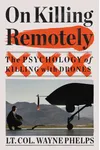
When researching this reading order, you may come across the book On Killing Remotely: The Psychology of Killing with Drones. While frequently cataloged under Dave Grossman's name on major retail sites, it was actually written by retired Marine Corps Lt. Col. Wayne Phelps. Phelps designed the book as a modern continuation of Grossman's original 1995 framework, specifically examining the psychological toll of drone warfare. Grossman did not write the text, though it is highly recommended as a modern companion piece to the original series.