
Where to Start: The Recommended Reading Path
David Chang is not a novelist writing a linear series, but his published works follow a clear arc of culinary evolution, personal growth, and practical philosophy. If you want the most satisfying experience, we recommend starting with his story before moving on to the recipes that defined his career.
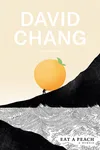
1. Start with the Narrative: Eat a Peach (2020)
Before you step into David Chang’s kitchen, you should understand the mind behind it. Co-authored with Gabe Ulla, Eat a Peach is a raw, unflinching look at Chang’s childhood, his struggles with undiagnosed bipolar disorder, the grueling pressure of the restaurant industry, and the accidental path that led to a food revolution. Reading this memoir first gives crucial emotional context to the recipes in his cookbooks, showing how close Momofuku came to failing before it redefined American dining.
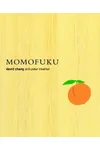
2. Step Up to the Professional Plate: Momofuku (2009)
Once you know the story, go back to where the culinary empire began. Written with Peter Meehan, this iconic cookbook documents the early days of Momofuku Noodle Bar, Ssäm Bar, and Ko. It includes the exact, meticulous recipes that made him famous—including his legendary ramen broth, slow-roasted pork belly buns, and ginger scallion noodles. It is a masterclass in professional, high-concept cooking.
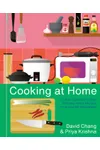
3. Bring It Back to Reality: Cooking at Home (2021)
After experiencing the complex, multi-day recipes of his early career, read Cooking at Home: Or, How I Learned to Stop Worrying About Recipes and Love My Microwave (co-authored with Priya Krishna). This book represents a complete philosophical shift: letting go of culinary elitism, embracing the microwave, and prioritizing flavor and ease over rigid rules. It is the perfect, practical companion to close out your reading journey.
Publication Order of Non-Fiction Books
If you prefer to see David Chang’s kitchen philosophy develop in the exact order he presented it to the public, you can read his core non-fiction titles in their original order of release:
- Momofuku (2009) – The groundbreaking cookbook that brought the secrets of the East Village noodle revolution to home kitchens.
- Eat a Peach (2020) – The introspection of a mature chef reflecting on the high-cost price of success, mental health, and the restaurant industry.
- Cooking at Home: Or, How I Learned to Stop Worrying About Recipes and Love My Microwave (2021) – The post-pandemic, practical guide that strips away the pretension of fine dining for the sake of home convenience.
The Lucky Peach Legacy (Anthologies & Magazines)
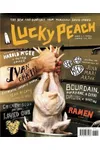
Between his major book releases, David Chang co-founded Lucky Peach (with Peter Meehan and Chris Ying), a quarterly food journal that ran from 2011 to 2017. Mixing art, literature, history, and recipes, it broke the mold of traditional food journalism. Each issue focused on a singular theme:
- Lucky Peach: Issue 1 (2011) – The Ramen Issue: A legendary debut exploring ramen culture, complete with recipe breakdowns and essays that set the tone for the magazine's irreverent style.
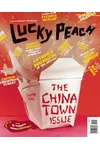
- Lucky Peach: Issue 5 (2012) – The Chinatown Issue: An in-depth, vibrant examination of Chinatown communities, their food, and their history around the globe.
For readers who want to experience the golden age of indie food publishing, tracking down these anthologies offers a snapshot of the cultural moment that Chang and his collaborators helped shape.
Chronological Context vs. Practical Kitchen Value
Because these are culinary and biographical books, there is no fictional timeline to follow. However, the chronological gap between Momofuku (2009) and Eat a Peach (2020) is vast. The former captures a young, ambitious, and sometimes volatile chef at the absolute peak of his early success. The latter, written over a decade later, acts as a retrospective corrective, detailing the intense personal toll of that exact era.
Understanding this timeline helps resolve the apparent contradiction between his two cookbooks. The rigorous, uncompromising techniques in Momofuku represent the peak of restaurant perfectionism. Conversely, Cooking at Home represents the mature, parental, and realistic chef who realizes that home cooks do not have prep teams, commercial ovens, or unlimited time.
What to Know Before You Start
Before diving into David Chang's literary catalog, keep the following in mind:
- Co-authorship is key: Chang works closely with brilliant writers to translate his voice. Peter Meehan brings the culinary grit to Momofuku and Lucky Peach, Gabe Ulla shapes the vulnerable narrative of Eat a Peach, and Priya Krishna provides structure and home-cook perspectives in Cooking at Home.
- These are not standard cookbooks: If you are looking for simple step-by-step photos and exact teaspoon measurements, you will find Momofuku intimidating and Cooking at Home intentionally vague. Chang champions intuition, tasting as you go, and adapting to what is in your pantry.
- Trigger warnings: Eat a Peach contains highly frank discussions of depression, manic episodes, suicidal ideation, and the toxic workplace culture that historically plagued the restaurant business. It is an inspiring read but deals with heavy themes.