
Where to Start with David Diop
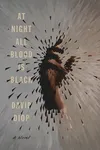
If you are looking to dive into David Diop’s evocative historical fiction, you do not need to worry about complex chronologies or narrative continuity. Diop’s novels are completely standalone works, meaning you can read them in any order you choose. However, the best starting point for any reader is undoubtedly his breakout international masterpiece, At Night All Blood Is Black.
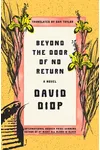
This novel is highly accessible yet deeply intense, serving as the perfect introduction to Diop's unique signature style: compact storytelling, high emotional stakes, and a rhythmic, lyrical prose style heavily influenced by oral traditions. Once you have experienced this gut-wrenching tale of World War I, you can progress to his 18th-century epic, Beyond the Door of No Return, and then explore his French-only releases if you read the language, or keep an eye out for upcoming translations.
David Diop Books in Publication Order
While all of his books are standalone historical novels, reading them in publication order allows you to see how Diop’s thematic focus on the historical encounters between Europe and Africa has evolved. Here is the publication sequence of his novels:
- 1889, l'Attraction universelle (2012) — Note: Currently available only in French.
- At Night All Blood Is Black (French: Frère d'âme, 2018; English translation by Anna Moschovakis, 2020)
- Beyond the Door of No Return (French: La Porte du voyage sans retour, 2021; English translation by Sam Taylor, 2023)
- Où s'adosse le ciel (2025) — Note: Currently available only in French; literal translation is "Where the Sky Rests" or "Where the Sky Leans".
A Reader's Guide to David Diop’s Novels
At Night All Blood Is Black (2018 / 2020)
This is the book that established David Diop as a major voice in contemporary world literature. Set during the horrors of World War I, it tells the story of Alfa Ndiaye, a Senegalese tirailleur (colonial soldier) fighting for France in the trenches. When his childhood friend Mademba Diop is mortally wounded, Alfa is unable to perform the mercy kill his friend begs for. Spiraling into intense grief and guilt, Alfa begins a terrifying nightly ritual, sneaking across No Man's Land to hunt enemy German soldiers, bringing back their severed hands as trophies. Initially hailed as a hero, Alfa's increasingly bizarre behavior eventually terrifies his own comrades, who begin to fear him as a sorcerer.
Why it’s essential: The novel is a chilling, poetic look at the psychological trauma of war and the hypocrisy of colonial structures that weaponize soldiers' perceived "savagery" only to fear it when it gets out of hand. It won the International Booker Prize in 2021 and the Los Angeles Times Book Prize in 2020.
Beyond the Door of No Return (2021 / 2023)
Set primarily in 18th-century Senegal, this novel shifts focus to the era of the slave trade. The story is framed through the deathbed journals of Michel Adanson, a real-life French botanist who traveled to Senegal in 1749. While ostensibly there to catalog flora and fauna, Adanson becomes obsessed with the legend of Maram, a young, noble Senegalese woman who was sold into slavery but miraculously escaped back into the interior. Adanson’s search for her becomes a transformative journey that forces him to confront the grim realities of the slave trade and the limitations of European scientific enlightenment.
Why it’s essential: Longlisted for the National Book Award for Translated Literature, this novel utilizes a nested frame narrative reminiscent of classic 18th-century literature. It masterfully contrasts the cold, cataloging gaze of European science with the rich, living oral traditions of the Senegalese people.
1889, l'Attraction universelle (2012)
Diop's debut novel is set against the backdrop of the 1889 Exposition Universelle (World's Fair) in Paris, famous for the debut of the Eiffel Tower. The story follows a delegation of Senegalese performers who travel to Paris expecting to share their culture, only to find themselves placed on display in degrading "human zoos" for the amusement of European crowds. While this book has not yet been translated into English, it is a foundational text that introduces Diop’s enduring interest in exposing the hidden, dehumanizing aspects of European colonial history.
Où s'adosse le ciel (2025)
Diop’s latest novel is a dual-timeline narrative that connects two stories separated by two thousand years. The first timeline takes place at the end of the 19th century and follows Bilal Seck, a Senegalese griot returning from a pilgrimage to Mecca who inexplicably survives a cholera epidemic, clutching a sacred ancestral myth. The second timeline is the ancient myth itself, tracing Ounifer, a high priest of Osiris in Ptolemaic Egypt, who leads his people westward across the desert to escape oppression and find a mythical land "where the sky rests."
Why it’s essential: This novel is a celebration of the griot tradition and oral storytelling, showing how histories and mythologies survive across millennia without ever being written down.
Important Clarification: The Two David Diops
When searching for books by David Diop, readers frequently run into catalogs combining works by two entirely different writers. It is crucial to distinguish between them:
- David Diop (Contemporary Novelist, born 1966): The author of At Night All Blood Is Black and the subject of this guide. He is a modern French-Senegalese academic and novelist who writes historical fiction.
- David Mandessi Diop (Poet, 1927–1960): A highly influential French West African poet of the Négritude movement who died tragically in a plane crash at age 33. His most famous poetry collection is Coups de pilon (translated as Hammer Blows, published in 1956). His anti-colonial poetry is studied globally but is completely distinct from the contemporary novelist's books.
What to Know Before You Start
Before diving into David Diop’s catalog, keep the following context in mind to enhance your reading experience:
Dual Cultural Perspectives: Born in Paris to a French mother and a Senegalese father, and raised in Dakar until age 18, Diop writes from a unique cultural intersection. His books bridge European history and African oral traditions, challenging traditional Western colonial narratives.
Academic Roots: Diop is a professor of 18th-century French literature at the University of Pau. His novels are deeply informed by his academic research into how Europeans historically represented Africa and Africans, allowing him to ground his fiction in meticulous historical realities.
Lyrical Translation: Both of Diop's English-translated novels have received immense praise for capturing the rhythmic, repetitive cadence of the original French, which was itself designed to evoke African oral storytelling styles (such as the Wolof-influenced rhythms in At Night All Blood Is Black).