










Where to Start Reading David Farland
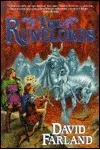
For most readers, the absolute best place to start is with The Sum of All Men (published in some markets simply as The Runelords), which kicks off his signature fantasy series. This novel introduces readers to Farland's highly original magic system of attributes and dedicates, establishing the lore, the stakes, and the main characters that define his legacy. If you prefer a lighter, younger tone, the middle-grade Ravenspell series starting with Of Mice and Magic is a fantastic alternative. For science fiction fans, looking up his works written under his birth name, Dave Wolverton—particularly On My Way to Paradise—is the recommended entry point.
The Runelords Series Reading Order
The Runelords is a sweeping, multi-generational epic fantasy. The series is divided into two distinct story arcs that follow different generations of characters. While the publication order matches the chronological progression of the main timeline, there are a couple of prequel short stories you should know about.
Arc 1: The Earth King Saga
The first four books tell a complete story arc focusing on Prince Gaborn Val Orden and his battle against the monstrous Reavers. You should read these in strict publication order:
- The Sum of All Men (1998) – Introduces the land of Herodon, Prince Gaborn, and the dark warlord Raj Ahten.
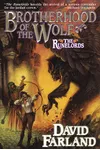
- Brotherhood of the Wolf (1999) – Expands the conflict as the monstrous Reavers begin their devastating invasion.
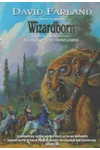
- Wizardborn (2001) – The struggle intensifies as magical forces emerge and the characters grapple with the heavy cost of their power.
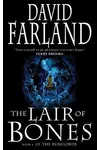
- The Lair of Bones (2003) – The climactic conclusion to the first arc, taking the characters deep underground for a final confrontation.
Arc 2: The Scions of the Earth Saga
Set years after the events of the first arc, this second cycle shifts focus to a new generation, specifically Gaborn's sons, Fallion and Jaz. It introduces even higher cosmic stakes, alternate realities, and new threats. Read them in this order:
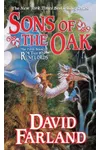
- Sons of the Oak (2004) – Follows the young sons of the Earth King as they are targeted by new enemies in a changing world.
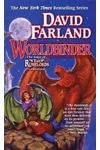
- Worldbinder (2007) – A pivotal novel where worlds literally collide, merging different realities and introducing strange new magic.
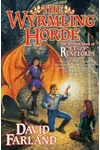
- The Wyrmling Horde (2008) – The conflict escalates as the devastating Wyrmling forces threaten to consume the remaining free kingdoms.
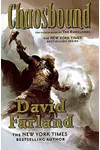
- Chaosbound (2009) – The last published full-length novel in the series, dealing with the chaotic aftermath of the merged worlds.
The Runelords Prequels and the Unfinished Finale
In addition to the eight main novels, Farland wrote two short prequel stories that expand the lore of the universe. While they take place chronologically before the main series, they are best read after completing the first arc to avoid spoiling the mystery of the world's magic:
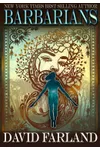
- Barbarians (2013) – A prequel short story exploring the early history of the world and the origins of the attribute-transfer system.
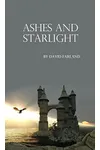
- Ashes and Starlight (2014) – A short prequel story focusing on the characters Dval and Averan as they navigate early dangers.
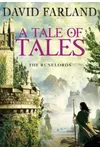
Note on the final book, A Tale of Tales: David Farland passed away in January 2022. At the time of his death, he had completed approximately 80% of the draft for the final volume, A Tale of Tales. Although some online databases and older listings reference a 2012 release date or placeholders, the book remains unpublished, leaving the series officially unfinished.
Understanding the Runelords Magic System
Before reading, it helps to understand the unique concept behind the series' magic, known as the Runelords system. In this world, a person can choose to give up a specific physical or mental attribute—such as strength, grace, wit, metabolism, sight, or hearing—to another person. The recipient becomes a "Runelord," gaining superhuman abilities by stacking these attributes. However, the giver (known as a "Dedicate") is left completely devoid of that attribute. For example, a Dedicate who gives up their strength becomes completely helpless, and the Runelord who receives it is morally obligated to protect and care for them, because if the Dedicate dies, the transfered attribute is lost forever. This creates a fascinating web of political power, military strategy, and profound moral dilemmas that Farland explores throughout the series.
The Ravenspell Series
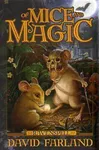
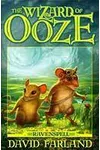
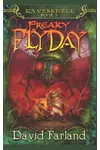
For younger readers or those looking for a lighter, whimsical fantasy adventure, Farland wrote the Ravenspell series. This trilogy follows a young boy who gets turned into a mouse and must navigate a world of magic, wizards, and talking animals. Read them in publication order:
- Of Mice and Magic (2005)
- The Wizard of Ooze (2007)
- Freaky Fly Day (2009)
Standalone Novels and Other Projects
Beyond his major series, Farland published several standalone works and collections under his fantasy pen name:
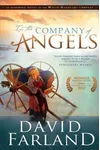
- In the Company of Angels (2009) – A historical fantasy novel detailing the struggles of early Mormon pioneers.
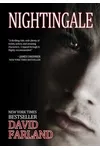
- Nightingale (2011) – A contemporary young adult fantasy about an orphan who discovers he belongs to a magical, music-utilizing species. Though sometimes categorized as the start of a series, it functions as a standalone novel and was notable for its "enhanced" digital release featuring illustrations and music.
Writing Guides and Non-Fiction
David Farland was a legendary writing mentor who taught authors like Brandon Sanderson and Stephenie Meyer. He compiled his wisdom into several popular books for aspiring writers under the Million Dollar Writing banner:
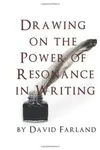
- Drawing on the Power of Resonance in Writing (2012)
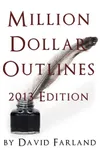
- Million Dollar Outlines (2013)
- NaNoWriMo Inspirations (2013)
- Write That Novel! (2013)
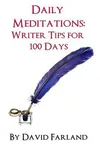
- Daily Meditations: Writer Tips for 100 Days (2014)
Reading Dave Wolverton: His Science Fiction Identity
Because "David Farland" was a pseudonym adopted in the mid-1990s to distinguish his fantasy from his science fiction, readers wanting the complete picture of his career should look for books published under his birth name, Dave Wolverton. His major sci-fi works include:
- On My Way to Paradise (1989) – His award-winning debut science fiction novel.
- The Golden Queen Series – A space opera trilogy consisting of The Golden Queen (1994), Beyond the Gate (1995), and Lords of the Seventh Swarm (1997).
- Star Wars Contributions – Most notably, he wrote the bestselling Expanded Universe novel Star Wars: The Courtship of Princess Leia (1994), which introduced the Witches of Dathomir.