








The Recommended Reading Path: Where to Start
Because all of David Goodis's novels are standalone works rather than part of a continuous series, you do not need to follow a strict chronological timeline. Instead, the best way to experience his writing is by starting with his most celebrated masterpieces before exploring his rarer, early dramas and late-career paperbacks. Here is the ideal path for new readers:
1. The Essential Masterpieces (Start Here)
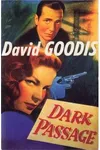
- Dark Passage (1946): This is the perfect entry point. It tells the story of Vincent Parry, a man who escapes from San Quentin after being wrongly convicted of murdering his wife. To survive, he undergoes back-alley plastic surgery. It features all of Goodis's signature themes: paranoia, isolation, and a protagonist trapped by fate.
- Shoot the Piano Player / Down There (1956): Originally published as Down There, this is Goodis's most famous novel, largely due to François Truffaut's iconic French New Wave film adaptation. It follows Eddie Lynn, a once-brilliant classical concert pianist who has retreated to a low-rent Philadelphia dive bar, only to be dragged into a crime syndicate by his brothers.
2. The Peak Noir Era (Read Next)
- Nightfall (1947): A gripping story of a commercial artist named Jim Vanning who is pursued by both bank robbers (who think he has their stolen cash) and a relentless police detective. It is an exceptional study of an innocent man under siege.
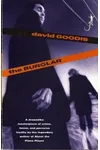
- The Burglar (1953): A masterful heist-gone-wrong tale focusing on professional thief Harbin. It delves deep into themes of guilt, childhood trauma, and honor among thieves. Goodis also wrote the screenplay for its 1957 film adaptation.
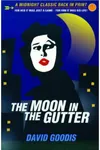
- The Moon in the Gutter (1953): A raw, emotionally devastating portrait of William Kerrigan, a Philadelphia dockworker obsessed with finding the man who drove his sister to suicide.
3. The Gritty Paperbacks & Character Studies (Deep Dive)
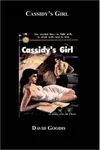
- Cassidy's Girl (1951): A massive bestseller that sold over a million copies, this novel offers a dark, toxic look at a disgraced pilot turned bus driver and his turbulent marriage on the Philadelphia waterfront.
- The Blonde on the Street Corner (1954): A slower, highly melancholic character study set during the Great Depression that highlights Goodis's deep empathy for the unemployed, the hopeless, and the forgotten.
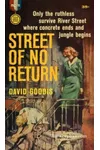
- Street of No Return (1954): The tragic story of a former pop singer who loses his voice and descends into alcoholism and homelessness, only to get swept up in a violent race riot.
What to Know Before You Start
David Goodis is widely recognized as the "poet laureate of the down-and-out." Unlike contemporaries like Raymond Chandler or Dashiell Hammett, who focused on sharp-witted detectives, Goodis wrote from the perspective of the losers, the fugitives, and the working-class dreamers who have already hit rock bottom. Here are a few key aspects of his work to keep in mind:
- The Philadelphia Landscape: Goodis spent much of his life in Philadelphia, and the city serves as a living, breathing character in almost all of his major works. He populates his stories with real-life landmarks, docks, and dive bars.
- No Happy Endings: A Goodis novel is typically a slow, atmospheric descent. His protagonists rarely achieve triumph; instead, they struggle simply to survive or find a small sliver of dignity in a hostile world.
- Paperback Originals: While early books like Dark Passage were hardcovers, the bulk of his 1950s output was published directly as paperback originals (most notably by Gold Medal Books), which shaped their lean, fast-paced style.
David Goodis Books in Publication Order
For readers who want to watch Goodis's style evolve from mainstream drama to hard-boiled noir, here is his complete list of standalone novels in order of publication:
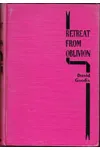
- Retreat from Oblivion (1939): Goodis's debut novel. This is a mainstream social drama about a group of young Philadelphians during the Depression rather than a crime story.
- Dark Passage (1946): His breakout noir hit.
- Behold This Woman (1947): A dark, domestic melodrama featuring a manipulative female protagonist.
- Nightfall (1947): A classic thriller also published under alternative titles.
- Of Missing Persons (1950): A tense procedural and missing-persons thriller.
- Cassidy's Girl (1951): The massive paperback bestseller.
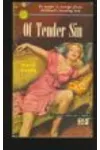
- Of Tender Sin (1952): A highly psychological novel dealing with intense obsession and paranoia.
- Street of the Lost (1952): A bleak portrait of survival on the city's roughest streets.
- The Burglar (1953): A character-driven heist tragedy.
- The Moon in the Gutter (1953): An atmospheric docks-centered tragedy.
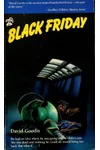
- Black Friday (1954): A thriller about a fugitive who inadvertently joins a gang of criminals.
- The Blonde on the Street Corner (1954): A Great Depression character drama.
- Street of No Return (1954): A gritty, tragic story of a fallen singer.
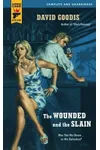
- The Wounded and the Slain (1955): A unique entry set in a hot Jamaican resort, focusing on an alcoholic couple entangled in crime.
- Down There / Shoot the Piano Player (1956): The iconic barroom tragedy.
- Fire in the Flesh (1957): A passionate, destructive romance in the criminal underworld.
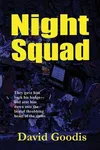
- Night Squad (1961): A dark, late-career crime novel about an undercover cop.
- Somebody's Done For (1967): Published posthumously, this is Goodis's final bleak vision of the Philadelphia waterfront.
Chronological Caveats and Title Variations
Because these books are standalone, there are no chronological timeline discrepancies. However, readers should be aware of several major title changes and variations when tracking down older editions:
- Nightfall: This book was printed under several titles depending on the publisher and market, including The Dark Chase, Convicted, and Missing: Believed Murdered. They are all the exact same novel.
- Down There: Goodis's 1956 novel was retitled Shoot the Piano Player in later printings to tie in with the famous François Truffaut movie adaptation. Both titles refer to the same story about Eddie Lynn.
Major Collections and Anthologies
Because many of Goodis's original paperback runs went out of print, collections are one of the best and most cost-effective ways to read his work today:
The Library of America Editions
- David Goodis: Five Noir Novels of the 1940s and 1950s: An essential compilation that features Dark Passage, Nightfall, The Moon in the Gutter, The Burglar, and Street of No Return.
Pulp Anthologies
While Goodis wrote thousands of pages for pulp magazines in the 1930s and 1940s, his shorter works are primarily collected in collaborative anthologies alongside other crime writers, including:
- Pulp Frictions: Hardboiled Stories (1996)
- Dames, Booze, Guns & Gumshoes (2013)