


Where to Start Reading David Grossman
David Grossman's bibliography spans deep, complex psychological novels, coming-of-age adventures, non-fiction essays, and mythological explorations. Because his novels are standalone works, you do not need to follow a strict chronological sequence. However, choosing the right starting point depends on what kind of reader you are:
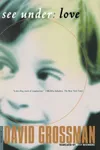
- For the Literary Enthusiast: Start with See Under: Love (1986). This is Grossman's masterpiece—a staggering, multi-layered exploration of the Holocaust's legacy, utilizing magical realism and experimental narrative structures. It is demanding but deeply rewarding.
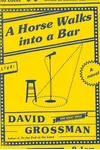
- For the Award-Winning Drama Seeker: Start with A Horse Walks into a Bar (2016). Winning the Man Booker International Prize in 2017, this intense novel takes place over a single night during a stand-up comedy routine in Netanya, slowly exposing the performer's childhood traumas.
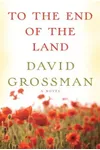
- For a Heart-Wrenching Personal Odyssey: Start with To the End of the Land (2008). Written against the backdrop of real-life tragedy, this novel follows a mother who goes on a hike to escape receiving the news of her soldier son's death.
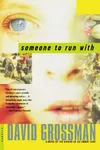
- For a Lighter, Dynamic Adventure: Start with Someone to Run With (2000). A beloved crossover novel featuring young adult protagonists, it follows a teenager searching for a lost dog through the streets of Jerusalem, uncovering a dark underworld along the way.
Publication Order of Standalone Novels
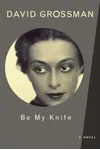
Reading Grossman in publication order reveals his stylistic evolution from early experimentalism to focused, intimate character studies. Note that English translations typically lagged behind their original Hebrew releases. In particular, while local databases list Be My Knife under 1988, its Hebrew edition was published in 1998 and the English translation arrived in 2001.
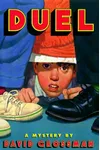
- Duel (1982) – Originally written as a children's/YA radio play, this short debut explores an old man's duel over a long-lost love.
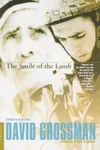
- The Smile of the Lamb (1983) – Set in the West Bank, this multi-perspective novel investigates the psychological impacts of occupation and military life.
- See Under: Love (1986) – A monumental work that attempts to understand the Holocaust through a child's eyes and later through surreal fantasy.
- Be My Knife (1988) – An epistolary novel exploring a passionate, purely written relationship between a man and a woman who agree never to meet.
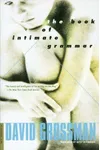
- The Book of Intimate Grammar (1991) – A sensitive portrayal of a young boy in Jerusalem during the 1960s who refuses to grow up physically or conform.
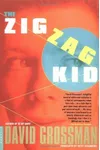
- The Zig Zag Kid (1994) – A playful, whimsical coming-of-age mystery about a boy on the cusp of his Bar Mitzvah embarking on a wild journey.
- Someone to Run With (2000) – A gripping story of two teenagers whose lives intersect through a lost dog and a street-musician rescue mission.
- To the End of the Land (2008) – A deeply moving, epic exploration of maternal love, domestic life, and the persistent anxiety of war.
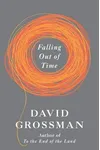
- Falling Out of Time (2014) – A genre-defying mix of prose, poetry, and drama mourning the loss of a child (originally published in Hebrew in 2011).
- A Horse Walks into a Bar (2016) – A high-wire act of a novel focusing on a comedian's self-destructive, confessional stand-up performance.
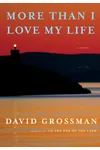
- More Than I Love My Life (2021) – Inspired by the real life of Eva Panic-Nahir, this story tracks three generations of women confronting family secrets.
David Grossman’s Non-Fiction
Grossman’s non-fiction works are critical companions to his fiction. They offer real-world reporting and moral clarity on the Israeli-Palestinian conflict and the role of literature in times of strife. They should be read alongside his novels to better understand the social reality that shapes his writing.
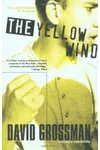
- The Yellow Wind (1987) – A landmark collection of essays and interviews written before the first Intifada, analyzing the daily realities of the West Bank occupation.
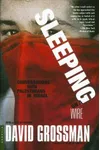
- Sleeping on a Wire: Conversations with Palestinians in Israel (1992) – A sensitive exploration of the identity struggles and systemic inequalities faced by Israel’s Arab citizens.
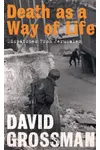
- Death as a Way of Life: Israel Ten Years after Oslo (2003) – A collection of articles chronicling the disillusionment, violence, and hope in the decade following the Oslo Accords.
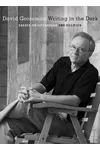
- Writing in the Dark: Essays on Literature and Politics (2008) – Thought-provoking essays examining how language, creativity, and reading can preserve humanity during prolonged political conflict.
Canongate's The Myths Series
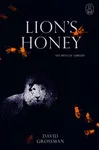
In 2005, David Grossman contributed to Canongate Books' international project, The Myths, which commissioned modern authors to retell ancient legends. Grossman's specific contribution is Lion's Honey: The Myth of Samson (2005), a psychological deconstruction of the biblical judge Samson. While he did not write the other books in the series, readers interested in the project can explore them in their publication sequence:
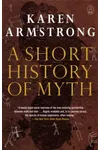
- A Short History of Myth by Karen Armstrong (2004)
- Lion's Honey: The Myth of Samson by David Grossman (2005)
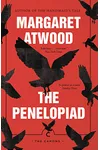
- The Penelopiad by Margaret Atwood (2005)
- Weight by Jeanette Winterson (2005)
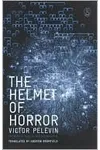
- The Helmet of Horror by Victor Pelevin (2005)
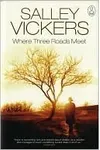
- Where Three Roads Meet by Salley Vickers (2005)
- Binu and the Great Wall by Su Tong (2006)
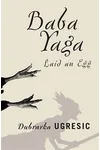
- Baba Yaga Laid an Egg by Dubravka Ugrešić (2007)
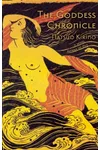
- The Goddess Chronicle by Natsuo Kirino (2013)
What to Know Before You Start
Grossman's novels are renowned for their emotional vulnerability and linguistic richness. Translation plays a massive role in how his prose is received in the English-speaking world; his long-time translator Jessica Cohen won the Man Booker International Prize alongside him in 2017 for her work on A Horse Walks into a Bar. Many of his later books, especially To the End of the Land and Falling Out of Time, carry autobiographical weight, as Grossman’s own son Uri was killed during the 2006 Lebanon War. Knowing this context helps readers navigate the devastating grief and intense parental love that anchors his later masterpieces.