
How to Read David Joy's Books: The Recommended Order
David Joy has established himself as one of the premier voices in contemporary Southern literature, crafting stories that critics frequently categorize as Appalachian noir or grit-lit. Because all of his novels are standalone stories, you do not need to worry about strict chronological storylines or returning protagonists. However, there is a clear benefit to reading them in a specific sequence to appreciate his evolution as a writer.
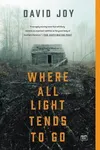
We recommend starting with his debut, Where All Light Tends to Go (2015). This novel serves as the perfect introduction to Joy's signature style: a blend of stark, often brutal violence and deeply poetic, empathetic prose. It sets a baseline for his depiction of Jackson County, North Carolina, and establishes the atmospheric weight that hangs over all his characters. Following his debut, the best path is to read through his novels in publication order. This trajectory allows you to witness his transition from tight, character-focused crime dramas to broader, socially conscious novels that address systemic issues in the Appalachian region.
David Joy Novels in Publication Order
For readers who want to follow the author's development chronologically, here is the complete publication order of David Joy's standalone novels:
Where All Light Tends to Go (2015)
Set in the mountain town of Cashiers, North Carolina, this gripping debut introduces readers to eighteen-year-old Jacob McNeely. Jacob is trapped in a cycle of generational crime, working for his father, a ruthless local meth kingpin, while witnessing his mother's struggle with severe addiction. Jacob's only beacon of hope is his high school sweetheart, Maggie. However, a single critical mistake forces Jacob to make a devastating choice between family loyalty and the chance at a clean start. This novel was nominated for the Edgar Award for Best First Novel and was adapted into the 2023 feature film Devil's Peak, starring Billy Bob Thornton.
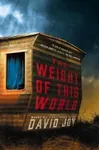
The Weight of this World (2017)
Joy's second novel is an unflinching and brutal story of trauma, friendship, and survival. It follows Thad Broom and Aiden McCall, two lifelong friends who have been battered by their environment and circumstances. Thad is a combat veteran struggling with post-traumatic stress from his service in Afghanistan, while Aiden is caught in a cycle of hopeless poverty. When they accidentally discover a local drug dealer dead by suicide, they make the desperate decision to steal his stash of cash and drugs. Rather than providing an escape route, the windfall pulls them into a violent downward spiral that tests the limits of their loyalty.
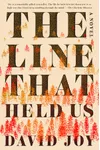
The Line That Held Us (2018)
This novel begins with a tragic accident that quickly spirals out of control. Darl Moody is poaching on a neighbor's land in the early morning when he accidentally shoots and kills a man, mistaking him for a wild boar. Panicked and desperate, Darl convinces his best friend, Calvin Hooper, to help him bury the body in secret. Their attempt to hide the crime fails when the victim's brother, Dwayne Brewer—a fiercely loyal and terrifyingly unstable man—realizes his brother is missing. Dwayne begins a relentless, vindictive search for the truth, leading to an intense exploration of vengeance, friendship, and moral boundaries.
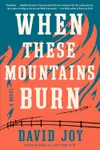
When These Mountains Burn (2020)
Against the backdrop of raging forest fires in western North Carolina, this novel takes an empathetic yet devastating look at the opioid epidemic. The story centers on Raymond Mathis, a retired Forestry Service worker and widower who has spent years trying to save his forty-one-year-old son, Ricky, from addiction. When Ricky's struggle reaches a tragic culmination, Raymond is pushed to his absolute limit and decides to personally hunt down the dealers operating in his community. The narrative weaves together Raymond's perspective with that of a local DEA agent and community members, capturing the wreckage of a crisis that has reshaped the region.
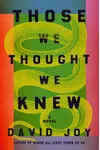
Those We Thought We Knew (2023)
Widely recognized as a shift toward a broader social novel, Joy's fifth book explores complex themes of race, history, and community secrets. The plot begins when Toya Gardner, a young Black artist from Atlanta, returns to Jackson County to research her family lineage. Her art and public activism against a local Confederate monument spark deep-seated community tensions. Simultaneously, local law enforcement uncovers a high-ranking member of the Ku Klux Klan living quietly in their midst, leaving behind a notebook containing the names of prominent local citizens. When violence erupts, the town is forced to confront the dark, systemic history they have ignored for decades.
Non-Fiction and Anthologies
Aside from his acclaimed fiction, David Joy is an avid outdoorsman whose connection to the natural world is a major influence on his writing. Readers looking for a different perspective on his work should explore his non-fiction and editorial contributions:
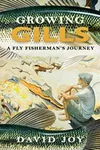
- Growing Gills: A Fly Fisherman's Journey (2011): This memoir predates Joy's debut novel and recounts his life through his deep connection to fly fishing in the creeks and rivers of Western North Carolina. The book was named a finalist for the Reed Environmental Writing Award.
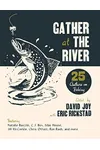
- Gather at the River: Twenty-Five Authors on Fishing (2019): Joy co-edited this anthology alongside Eric Alder, compiling a diverse collection of essays from writers reflecting on the sport of fishing and its deeper connection to human nature and storytelling.
What to Know Before You Start
Before diving into David Joy's bibliography, it is helpful to understand the unique characteristics of his writing. His style is frequently compared to masters of grit and Southern literature, such as Cormac McCarthy, Flannery O'Connor, and his mentor Ron Rash. Joy does not shy away from the harsh realities of rural life, detailing the devastating impacts of poverty, addiction, and violence with uncompromising honesty. However, his work is never gratuitous; it is grounded in a deep love for the Appalachian landscape and its people, portraying his characters not as caricatures but as complex, flawed human beings striving for redemption.
Because his books are standalones set in the same geographic region, they can technically be read in any order without losing narrative continuity. However, we highly recommend following his publication timeline to fully appreciate how his focus widens from the personal, insular struggles of his early characters to the larger, community-wide social issues of his later novels.