






Where to Start Reading David Levien
If you are new to David Levien’s work, the absolute best place to start is with City of the Sun (2008). This novel introduces his signature protagonist, Frank Behr, and sets the tone for his tense, character-driven brand of crime fiction. While Levien began his career publishing standalone satirical novels, it is his work in the detective genre that truly showcases his talent for building suspense and developing raw, emotionally resonant characters.
The Frank Behr Series in Reading Order
Frank Behr is a towering, brooding former Indianapolis policeman turned private investigator. Still reeling from the tragic loss of his young son and the subsequent collapse of his marriage, Behr takes on cases that force him to navigate the dark, gritty underbelly of society. The series is best read in publication order, which also matches the chronological order of Behr's personal journey and character development.
1. City of the Sun (2008)
In this debut novel, Frank Behr is hired by a desperate couple to find their twelve-year-old son, Jamie Larson, who disappeared without a trace while on his morning paper route. Teaming up with the boy's father, Behr embarking on a grueling search that leads into a terrifying underground world. This book establishes the slow-burn tension and psychological depth that defines the rest of the series.
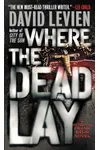
2. Where the Dead Lay (2009)
Behr returns in a story that hits close to home. When his friend and fellow private investigator is brutally murdered, Behr is pulled into a dangerous investigation involving outlaw motorcycle clubs, illegal operations, and high-stakes criminal syndicates. This installment delves deeper into Behr's moral ambiguity and his ongoing struggle with his past traumas.
3. Thirteen Million Dollar Pop / The Contract (2011)
Published under the title Thirteen Million Dollar Pop in the US and The Contract in the UK, this third book shifts the action toward political intrigue. Behr is hired as an extra layer of security for a rising, reform-minded politician. When an assassination attempt is made, Behr finds himself in the crosshairs of ruthless corporate entities and shadow operatives. It is a faster-paced thriller that tests Behr’s physical and mental limits.
4. Signature Kill (2015)
The fourth book finds Behr tracking a highly elusive and methodical serial killer operating along the highway corridors of the Midwest. Unlike previous entries which focused on kidnappings and conspiracies, this book reads like a classic cat-and-mouse police procedural, highlighting Behr's meticulous detective skills and his deep-seated empathy for victims.
Standalone Novels (Published as D.J. Levien)
Before achieving widespread success with his crime thrillers, Levien wrote two standalone novels under the pen name D.J. Levien. These books focus on psychological drama, satire, and social critique, reflecting a very different style from the Frank Behr series.
- Wormwood (1999): Set in the film industry, this debut novel follows Nathan Pitch, a cynical low-level Hollywood worker. It is a dark, satirical look at ambition, addiction, and the emptiness of the entertainment business. The title serves as a metaphor for the toxic nature of the industry, referencing the bitter herb used in absinthe.
- Swagbelly (2002): This novel centers on Elliot Grubman, a middle-aged, wealthy publisher of a secondary men's adult magazine. It is a humorous and sometimes melancholic look at a man trying to find respectability, love, and meaning amidst a life built on cheap exploitation.
What to Know Before You Start
David Levien is also an accomplished screenwriter and producer, best known for co-writing the classic poker film Rounders (1998) and co-creating the hit Showtime television series Billions alongside his creative partner Brian Koppelman. This background in cinema heavily influences his novels. Readers should expect tight dialogue, highly visual scene composition, and a relentless narrative pace that mirrors a screenplay.
The Frank Behr books are not cozy mysteries; they deal with dark themes including child abduction, grief, human trafficking, and systemic corruption. The setting of Indianapolis and the surrounding Midwestern flatlands acts as a character in its own right, offering a stark, cold backdrop to the gritty narratives.