




Where to Start with David Lynch’s Books
David Lynch is globally renowned as the filmmaker who brought surrealism, dream logic, and suburban dread into mainstream cinema. However, his work as an author, artist, and collaborator offers a crucial window into his creative subconscious. For readers looking to explore his mind, the best starting point is not a biography, but his own words on how ideas are caught.
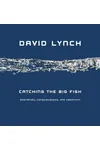
For the Creative and Spiritual Seeker: Start with Catching the Big Fish: Meditation, Consciousness, and Creativity (2006). This accessible, vignette-style book is the perfect entry point. Lynch discusses how his decades-long practice of Transcendental Meditation (TM) serves as a diving suit to catch the 'big fish'—ideas that live in the deeper, quieter parts of the mind. It is short, inspiring, and directly explains the creative philosophy behind his most enigmatic films.
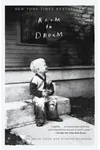
For the Ultimate Biography: Move next to Room to Dream (2018). Co-written with journalist Kristine McKenna, this hybrid volume offers a unique structure. Every biographical chapter by McKenna—constructed from interviews with friends, family, ex-partners, and actors—is immediately followed by a chapter of Lynch reflecting on those same years in his own warm, conversational, and often eccentric voice. It is the definitive account of his journey from a Montana childhood to the heights of international cinema.
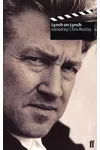
For the Cinephile: Dive into Lynch on Lynch (1997), a book-length interview conducted by Chris Rodley. This collection provides deep technical and thematic discussions of his films from Eraserhead through the mid-1990s, detailing his visual style, sound design, and narrative choices.
The Twin Peaks Literary Universe: The Complete Reading Order
While David Lynch only directly co-authored one of the print tie-ins for his groundbreaking television series Twin Peaks, fans frequently seek out the literature surrounding the show. To fully experience the expanded universe of Twin Peaks, you must read the tie-in books—written by Lynch's co-creator Mark Frost, his daughter Jennifer Lynch, and Mark's brother Scott Frost—interspersed with the television episodes and feature film. Here is the recommended chronological viewing and reading path:
- Step 1: Watch Twin Peaks Season 1 – Establish the mystery of Laura Palmer's death and meet the quirky residents of the town.
- Step 2: Read The Secret Diary of Laura Palmer (1990) by Jennifer Lynch – Released between seasons 1 and 2, this diary provides a dark, intimate, and disturbing look at Laura’s double life and her torment by the entity known as BOB.
- Step 3: Watch Twin Peaks Season 2 (Episodes 1 to 7) – Watch up through the resolution of the main murder investigation.
- Step 4: Read The Autobiography of F.B.I. Special Agent Dale Cooper: My Life, My Tapes (1991) by Scott Frost – This book compiles the transcripts of Dale Cooper's audio recordings from his childhood up to the moment he is assigned to the Laura Palmer case, explaining his path to the FBI and his fascination with Tibet.
- Step 5: Read Welcome to Twin Peaks: An Access Guide to the Town (1991) by David Lynch, Mark Frost, and Richard Saul Wurman – A humorous, in-universe travel brochure detailing the town's local businesses, geographical points of interest, and odd civic history.
- Step 6: Watch the rest of Twin Peaks Season 2 – Finish the remaining episodes of the original series.
- Step 7: Watch the film Twin Peaks: Fire Walk with Me (1992) – This prequel film depicts Laura Palmer’s final week and is crucial context for the revival.
- Step 8: Read The Secret History of Twin Peaks (2016) by Mark Frost – Written in the style of an FBI dossier compiled by a mysterious 'Archivist,' this book spans centuries of weird occurrences in the region and bridges the narrative gap before the revival series.
- Step 9: Watch Twin Peaks: The Return (Season 3) – The eighteen-part revival series that aired in 2017.
- Step 10: Read Twin Peaks: The Final Dossier (2017) by Mark Frost – Released shortly after the finale of Season 3, this volume ties up several lingering character arcs and clarifies the timeline shifts of the revival.
Publication Order of Non-Fiction & Collaborations
If you prefer to read David Lynch's written contributions and interviews in the order they were published, follow this timeline. This list separates his main prose, screenplays, and editorial contributions from his photography catalogs:
- Welcome to Twin Peaks: An Access Guide to the Town (1991) – A collaborative mock travel guide co-written with Mark Frost and Richard Saul Wurman.
- Lynch on Lynch (1997) – A detailed interview anthology edited by Chris Rodley, showcasing Lynch's artistic evolution.
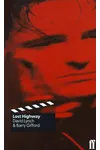
- Lost Highway: Screenplay (1997) – The published script of the neo-noir film, co-written with novelist Barry Gifford.
- Catching the Big Fish: Meditation, Consciousness, and Creativity (2006) – Lynch's signature essay collection on the relationship between Transcendental Meditation and the subconscious mind.
- Room to Dream (2018) – A collaborative memoir and biography co-written with Kristine McKenna.
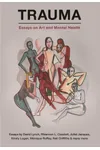
- Trauma: Essays on Art and Mental Health (2021) – An anthology edited by Sam Mills and Thom Cuell, containing essay contributions by David Lynch reflecting on art as a tool for mental well-being.
David Lynch's Art and Photography Books
Lynch originally trained as a painter at the Pennsylvania Academy of the Fine Arts, and he has maintained a robust visual arts practice alongside his filmmaking. His monographs, prints, and gallery catalogs document his fascination with industrial decay, organic textures, and dark surrealism. These books are best experienced as visual accompaniments to his cinematic works:
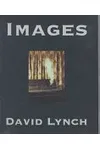
- Images (1994) – The first major retrospective compilation of Lynch’s paintings, drawings, and photographs.
- The Prints of David Lynch (2000) – A collection detailing his lithographs and printing press works.
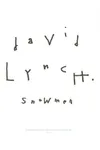
- David Lynch: Snowmen (2007) – A photographic series capturing distorted, eerie, and decaying snowmen in suburban landscapes.
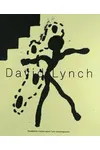
- David Lynch: The Air is on Fire (2007) – The comprehensive catalog of his landmark career retrospective exhibition at the Fondation Cartier pour l'art contemporain.
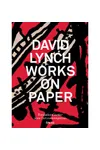
- David Lynch: Works on Paper (2010) – A collection focusing on sketches, drawings, and mixed-media works on paper.
- David Lynch: Dark Splendor (2010) – An exhibition catalog exploring the darker, shadow-filled themes of his physical art.
- David Lynch: The Factory Photographs (2014) – A haunting collection of photographs capturing abandoned, crumbling industrial factories.
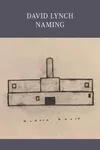
- David Lynch: Naming (2014) – A conceptual catalog examining the relationship between language, titles, and visual representation in his art.
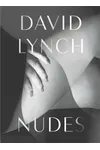
- David Lynch: Nudes (2018) – A collection of black-and-white female nude portraiture captured with Lynch's signature lighting and atmosphere.
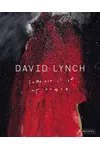
- David Lynch: Someone is in My House (2019) – A massive, comprehensive monograph capturing his lifetime of painting, photography, drawing, sculpture, and film design.
Cataloging Errors and Cancelled Books
When searching library databases and online booksellers, you will likely encounter several entries that are incorrectly attributed to David Lynch, or books that were never actually released. Keep the following warnings in mind to avoid purchasing the wrong titles:
The Focalguide to Colour (1976): Many automated online catalogs list the filmmaker David Lynch as the author of this vintage handbook. This is a metadata error. The book is actually a technical photography guide written by David Coombes and published by Focal Press.
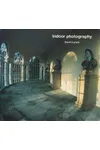
Indoor Photography (1983): Similar to the 1976 guide, this technical manual published by Focal Press is often misattributed to the director. It was actually written by a technical photography writer who shares the name David Lynch, not the creator of Eraserhead.
Art of Dune (1985): Originally announced by Grosset & Dunlap for release in late 1984 to tie into Lynch's feature adaptation of Frank Herbert's sci-fi epic, this book was cancelled and never published. It is a legendary 'lost' item for collectors, but any listing claiming to sell a copy is either an error or a fake.