

Where to Start with David R. Dow
If you are new to David R. Dow's writing, your starting point depends on whether you prefer suspenseful fiction or gripping, real-life memoirs. As a University of Houston law professor and death penalty defense attorney, Dow brings the same level of legal complexity, moral urgency, and raw human emotion to both genres.
For Fiction Readers: Confessions of an Innocent Man
If you prefer a structured narrative with a clear plot and a traditional thriller pace, start with Confessions of an Innocent Man (2019). This is Dow's first and only novel, and it serves as a powerful fictionalization of the systemic issues he has spent decades fighting. The story follows Rafael Zhettah, a successful chef who is wrongfully convicted of murdering his wife and sent to Texas's death row. Unlike typical legal thrillers, the book focuses heavily on the psychological erosion of incarceration and Rafael's calculated quest for vengeance once he is exonerated. It offers an accessible, highly engaging entry point into Dow’s thematic universe.
For Memoir Readers: The Autobiography of an Execution
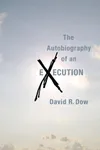
If you want to understand the true cost of the capital punishment system, start with The Autobiography of an Execution (2010). This memoir is Dow’s most acclaimed work, winning the Barnes & Noble Discover Award and being named a finalist for the National Book Critics Circle Award. It follows Dow's real-life battles to save death row inmates, the excruciating race against the execution clock, and the heavy toll his career takes on his family life. It is raw, urgent, and reads with the pacing of a top-tier legal thriller despite being entirely true.
The Identity Crisis: "The Autobiography of an Execution" vs. "Killing Time"
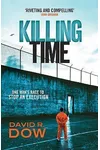
One of the most common points of confusion for readers compiling a David R. Dow reading list is the presence of Killing Time: One Man's Race to Stop an Execution (2010). In many databases and retail catalogs, this is listed as a separate book published in the same year as his primary memoir.
In reality, Killing Time is simply the international title for The Autobiography of an Execution. It was released under the title Killing Time: One Man's Race to Stop an Execution in the United Kingdom, Australia, and other Commonwealth markets. If you have read one, you have read the other; they are the same book. For the best reading experience, US readers should look for The Autobiography of an Execution, while international readers will likely find it sold as Killing Time.
Memoirs and Reflective Non-Fiction
Dow has written two major memoirs that explore the themes of life, death, and justice. They do not have a strict narrative continuity, but reading them in order of publication highlights his evolving perspective on mortality.
- The Autobiography of an Execution / Killing Time (2010): Focuses primarily on the legal machinery of death row, the attorney-client relationships with condemned inmates, and the systemic failures of the American justice system.
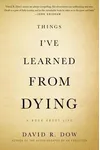
- Things I've Learned from Dying: A Book About Life (2013): This follow-up memoir expands its lens beyond the courtroom. While it still features accounts of his death row clients, it juxtaposes these stories with personal losses, including the deaths of his father-in-law and his beloved family dog. It is a more philosophical, introspective look at how witnessing death professionally has shaped his appreciation for life.
Legal Scholarship, Policy, and Edited Anthologies
Before transitioning to narrative memoirs and fiction, Dow wrote several academic and policy-focused books. While these are less narrative-driven, they are crucial for readers who want to understand the intellectual foundation of his advocacy work.
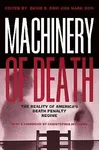
- Machinery of Death: The Reality of America's Death Penalty Regime (2002): Co-edited with Mark Dow, this is a collection of essays and first-hand accounts from defense lawyers, inmates, and families. It is an excellent analytical resource but reads more like a policy text.
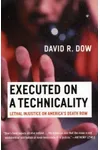
- Executed on a Technicality: Lethal Injustice on America's Death Row (2005): In this book, Dow argues that the legal system has shifted its focus from ensuring guilt or innocence to enforcing strict procedural deadlines, often leading to the execution of individuals whose constitutional rights were violated.
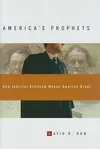
- America's Prophets: How Judicial Activism Makes America Great (2009): Departing briefly from capital punishment, this work examines the history of the judiciary and defends the concept of "judicial activism," drawing parallels between modern judges and biblical prophets who challenged the status quo to protect the marginalized.
David R. Dow Books in Publication Order
Because Dow's works are standalones rather than a serialized fiction universe, publication order is the most logical path for exploring his entire catalog. Here is his complete bibliography of major general-audience books:
- Machinery of Death: The Reality of America's Death Penalty Regime (2002) - Co-edited collection of essays analyzing the systemic mechanics of capital punishment.
- Executed on a Technicality: Lethal Injustice on America's Death Row (2005) - An investigative and analytical critique of procedural rules in capital cases.
- America's Prophets: How Judicial Activism Makes America Great (2009) - A defense of judicial intervention based on historical and constitutional analysis.
- The Autobiography of an Execution / Killing Time (2010) - His landmark memoir detailing the personal and professional struggles of death row defense.
- Things I've Learned from Dying: A Book About Life (2013) - A reflective memoir connecting his legal experiences with personal grief and family life.
- Confessions of an Innocent Man (2019) - His debut legal thriller novel exploring wrongful conviction and revenge.