














The Recommended Reading Path: Where Should You Start?
Because David Sedaris writes standalone essay collections and semi-autobiographical humor pieces, there is no single "correct" reading order. You can easily pick up almost any of his books and enjoy it as a standalone work. However, to get the absolute best introduction to his style and signature voice, we recommend starting with these key entry points:
1. The Ideal First Book: Me Talk Pretty One Day (2000)
If you only read one David Sedaris book, make it this one. Widely considered his masterpiece, this collection is split into two halves: his early life growing up with his colorful family in North Carolina, and his adult struggles adapting to life in France (specifically, his hilarious efforts to learn the French language). It perfectly showcases his self-deprecating wit, observational humor, and underlying warmth.
2. The Fan-Favorite Classic: Naked (1997)
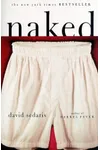
For readers who want to experience Sedaris's early breakout period, Naked is the perfect choice. This collection features some of his most famous essays, detailing his childhood obsessive-compulsive behaviors, his hitchhiking adventures across the United States, and his time working in a nudist colony. It is raw, incredibly funny, and introduces many of the family members who become recurring characters in his later works.
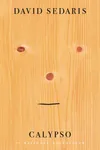
3. The Mature Masterpiece: Calypso (2018)
For a slightly darker, more mature look at Sedaris's life, Calypso is highly recommended. Written as he entered his sixties, these essays reflect on aging, the death of his sister and mother, and buying a beach house (which he named "Sea Section") to host family reunions. It balances his trademark laugh-out-loud comedy with poignant reflections on mortality and family dynamics.
4. The Audiobook Exception
It is impossible to discuss David Sedaris without mentioning his audiobooks. Many fans argue that his works are best experienced in audio format. Sedaris is a master storyteller who refines his essays by reading them aloud on tour in front of live audiences before publication. Listening to his deadpan delivery, impeccable timing, and vocal inflections elevates the humor to another level.
Publication Order vs. Chronological Order
While there is no narrative plot connecting the books, reading Sedaris in publication order provides a fascinating chronological look at his own life. You will see him grow from an ambitious young artist working odd jobs in Chicago and New York into an internationally acclaimed author living abroad in France and England. As he ages, his perspective shifts from the chaotic misadventures of youth to deeper reflections on family ties, grief, and growing older.
Understanding the Literary Formats
To help you organize your reading, David Sedaris's books can be grouped into four primary categories: core essay and short story collections, published personal diaries, plays written with his sister Amy Sedaris, and various curated anthologies.
Core Short Story and Essay Collections
These books contain Sedaris's polished autobiographical essays, satirical fiction, and observational humor. They form the backbone of his bibliography.
- Origins Of The Underclass (1992): A very early, rare collection of stories that set the stage for his writing career.
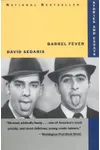
- Barrel Fever (1994): His official debut book, combining fictional stories with personal essays. This collection contains the print version of "Santaland Diaries," his famous holiday radio monologue.
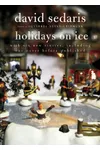
- Holidays on Ice (1997): A Christmas-themed collection featuring both classic holiday humor pieces and dark satirical tales about seasonal commercialism.
- Naked (1997): An early career milestone that established his reputation as a master of the personal essay.
- Me Talk Pretty One Day (2000): The definitive starting point exploring language barriers and family quirks.
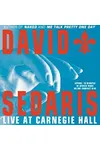
- David Sedaris: Live at Carnegie Hall (2003): A recorded live spoken-word collection showing his brilliance in front of a live audience.
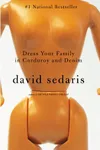
- Dress Your Family in Corduroy and Denim (2004): A brilliant collection exploring childhood memories, family dysfunctions, and domestic life.
- When You Are Engulfed in Flames (2008): A collection focusing on middle age, quirky characters, and his personal journey to quit smoking in Tokyo.
- Squirrel Seeks Chipmunk: A Modest Bestiary (2010): A unique departure from his usual autobiographical essays, featuring modern animal fables illustrated by Ian Falconer.
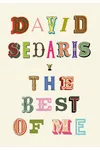
- The Best of Me (2020): A curated compilation of his most famous and beloved essays from the past twenty-five years, chosen by Sedaris himself.
Non-Fiction and Later Collections
In his later career, Sedaris continued to release highly successful collections that blend memoir, journalism, and personal essays.
- Let's Explore Diabetes with Owls (2013): A collection featuring travel stories, observations on foreign cultures, and memories of his father.
- David Sedaris Diaries (2017): Compiled observations and short thoughts from his personal writing.
- Calypso (2018): A highly acclaimed collection highlighting family life, aging, and beach house vacations.
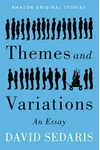
- Themes and Variations (2020): A limited-edition release featuring personal musings on everyday occurrences.
- Happy-Go-Lucky (2022): A collection written during the pandemic, reflecting on lockdowns, his father's death, and the shifting social landscape.
The Published Diaries
For a raw, unedited look at Sedaris's mind, his published diary books compile decades of real daily journal entries. Unlike his polished essays, these entries are experimental, observational snippets that show how he gathers material.
- Theft by Finding: Diaries 1977-2002 (2015 / 2017): A collection of journal entries capturing his early struggles, odd jobs, and transition into a successful writer.
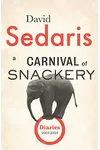
- A Carnival of Snackery: Diaries 2003-2020 (2021): The second volume of diaries, tracking his life as a famous touring author.
Plays and Collaborative Projects
Under the collaborative pseudonym "The Talent Family," David and his sister Amy Sedaris wrote several satirical, off-Broadway plays.
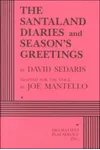
- The SantaLand Diaries and Season's Greetings (1998): Stage adaptations of his famous holiday elf experiences and other seasonal monologues.
- The Book of Liz - Acting Edition (2002): A satirical play about a member of a traditional religious community who runs away to find her own path.
What to Know Before You Start
David Sedaris writes with an incredibly distinctive voice. Here are a few tips to keep in mind before you read his books:
- The Blurring of Truth and Fiction: While his essays are presented as non-fiction memoirs, Sedaris admits that he exaggerates details, condenses timelines, and reshapes dialogue for comedic effect. Read them as literary performances rather than strict, historical journalism.
- Dark and Taboo Themes: Sedaris does not shy away from uncomfortable subjects. He frequently writes about mental illness, addiction, suicide, family estrangement, and physical decline, using dark humor to cope with real-life tragedies.
- Recurring Characters: You will get to know his family members intimately. His eccentric father Lou, his late sister Tiffany, his sister Amy, and his long-time partner Hugh Hamrick appear repeatedly throughout his books.