














Where to Start Reading David Wiltse
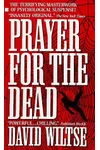
For readers diving into David Wiltse's books for the first time, the absolute best place to start is with the John Becker series, beginning with the first novel, Prayer for the Dead (1991). This series represents Wiltse at the height of his thriller-writing powers, introducing a complex, deeply troubled protagonist who stands out in the crowded field of 1990s FBI thrillers.
If you prefer a shorter commitment or small-town mystery dynamics, you can also start with the Billy Tree duology, which begins with Heartland (2001). For those who appreciate classic espionage and conspiracy plots, his debut standalone novel, The Wedding Guest (1982), is another excellent entry point.
David Wiltse Books in Publication Order
While reading by series is highly recommended to follow character development, reading Wiltse's works in publication order offers a fascinating look at his evolution from a playwright into a suspense novelist. Here is how his novels unfolded chronologically:
- The Wedding Guest (1982)
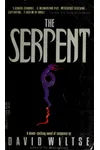
- The Serpent (1984)
- The Assassin (1984)
- The Fifth Angel (1985)
- Home Again (1986)
- Prayer for the Dead (1991)
- Close to the Bone (1992)
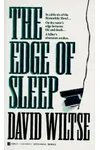
- The Edge of Sleep (1993)
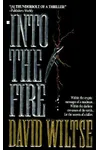
- Into the Fire (1994)
- Bone Deep (1995)
- Blown Away (1996)
- Heartland (2001)
- The Hangman's Knot (2002)
The John Becker Series
Spanning six novels published between 1991 and 1996, the John Becker series is David Wiltse's signature contribution to the crime fiction genre. John Becker is not your average FBI agent; he is a retired investigator and former agency hitman who left the Bureau because his capacity for empathy with killers became too intense, blurred, and dangerous. The series is best read in strict publication order because Becker's mental stability, personal relationships, and internal struggle develop significantly from book to book.
1. Prayer for the Dead (1991)
In this chilling series opener, Becker is reluctantly pulled out of his peaceful retirement in Connecticut. The FBI needs his unique, highly empathetic mind to track down a brilliant, sadistic killer who is kidnapping and murdering men in a small town. The novel establishes the psychological cat-and-mouse game that defines the series.
2. Close to the Bone (1992)
Becker finds himself back in action when a dangerous and highly professional assassin begins operating in New York, targeting diplomats at the United Nations. The case tests Becker's profiling skills to their absolute limit as he goes head-to-head with a ruthlessly efficient antagonist.
3. The Edge of Sleep (1993)
In this installment, the focus shifts to a serial kidnapper who targets young boys. Becker is paired with Karen Crist, his former protégé and agent, to stop the perpetrator before it is too late. The novel heavily explores the psychological trauma and toll that these investigations take on the detectives.
4. Into the Fire (1994)
The stakes are raised as Becker goes after a dangerous arsonist and serial killer. The plot delves deep into the psychology of obsession and destruction, presenting Becker with one of his most complex mental puzzles yet.
5. Bone Deep (1995)
This fifth novel plunges Becker into a web of domestic terror and high-stakes suspense, tracking a killer whose motivations are deeply personal and terrifyingly methodical.
6. Blown Away (1996)
The final book in the Becker series serves as a high-octane conclusion, forcing Becker to confront the remnants of his past, his career, and the thin line separating his own mind from those of the monsters he spent his life hunting.
The Billy Tree / Falls City Series
Following the conclusion of the Becker series, Wiltse shifted his settings to the American heartland, drawing on his own roots in Nebraska. The Billy Tree series consists of two connected novels centered around a former Secret Service agent who returns home.
1. Heartland (2001)
After a tragic failure ends his career in Washington, D.C., Billy Tree returns to his quiet hometown of Falls City, Nebraska, looking for peace. Instead, he is appointed acting deputy sheriff and is immediately thrust into a localized crisis, including the investigation of a shocking school shooting that unearths deep community secrets.
2. The Hangman's Knot (2002)
In the second and final novel, Billy Tree investigates a series of miniature nooses appearing around the town of Falls City. The investigation forces the town to confront a historic, long-buried lynching, revealing that the past is never truly dead in the heartland.
The Standalone Suspense Novels
Before creating his recurring characters, Wiltse wrote five standalone thrillers in the 1980s that established his trademark fast-paced prose and focus on psychological themes:
- The Wedding Guest (1982): An espionage thriller starring Peter Stanhope, who returns from Africa to find his allegedly dead brother Austin alive—and the target of a deadly international conspiracy involving the family's CIA-linked private intelligence firm.
- The Serpent (1984): A dark, urban thriller following Detective Sandy Block as he hunts a serial killer known as "Tom-Tom" who targets pregnant women in New York City.
- The Assassin (1984): A high-tension political thriller that details the hunt for a dangerous political killer, laying the thematic groundwork for the John Becker series.
- The Fifth Angel (1985): A unique suspense novel focusing on Mark Stitzer, a Special Forces soldier trained for a covert retaliation strike in Moscow. After losing his sanity during a training accident, he escapes an asylum and begins executing his mission in New York City, believing it to be Moscow.
- Home Again (1986): FBI hero Pete Ketter retires to his hometown seeking a peaceful life, only to find himself tracking a psychopathic killer within his own community.
What to Know Before You Start
David Wiltse began his career as an acclaimed playwright, winning a Drama Desk Award for Suggs in 1972 and writing Broadway comedies like Doubles. This background in theater heavily influences his fiction writing: his novels are characterized by exceptionally sharp dialogue, tight pacing, and highly focused character dynamics. If you enjoy the psychological profiling of Thomas Harris (the Hannibal Lecter series) or the fast-paced investigative style of John Sandford, Wiltse's John Becker books will feel right at home on your bookshelf.