
Where to Start Reading David Wondrich
Because David Wondrich writes non-fiction historical narratives rather than serialized fiction, you do not need to follow a strict chronological storyline. However, his books build upon one another conceptually. To get the most out of his witty prose and deep historical sleuthing, we recommend starting with his definitive masterpiece:
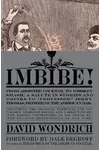
- Imbibe! (2015 Updated and Revised Edition): This is the absolute best entry point. A tribute to 19th-century bartending pioneer Jerry Thomas, it offers a colorful history of American drinking habits alongside over 100 meticulously researched recipes. Make sure to get the 2015 revised edition rather than the 2007 original, as it updates recipes to reflect the availability of previously 'lost' spirits like Genever and Old Tom gin.
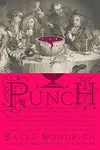
- Punch: The Delights (and Dangers) of the Flowing Bowl (2010): Read this second. Chronologically, the history of punch predates the individual cocktail, but reading it after Imbibe! allows you to fully appreciate Wondrich's narrative style before diving into the complex social histories of shared bowls.
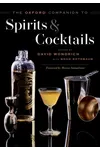
- The Oxford Companion to Spirits and Cocktails (2021): Co-edited with Noah Rothbaum, this massive reference volume features 1,150 entries written by a global team of experts. Keep it on your shelf as an encyclopedic companion to consult rather than a book to read cover-to-cover.
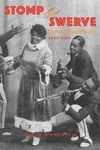
- Stomp and Swerve: American Music Gets Hot, 1843–1924 (2003): Read this when you want a break from cocktail history. It is Wondrich's solo musicology project, exploring how early ragtime, minstrelsy, and jazz laid the foundation for modern rock 'n' roll.
Publication Order of David Wondrich's Books
If you prefer to follow Wondrich’s career as it unfolded on the page, here is the complete publication order of his major books and contributions:
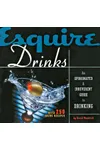
- Esquire Drinks: An Opinionated & Irreverent Guide to Drinking (2002) - A lively guide containing 250 recipes compiled during Wondrich's early tenure as Esquire's drinks correspondent.
- Stomp and Swerve: American Music Gets Hot, 1843–1924 (2003) - His landmark exploration of early American popular music.
- Esquire's Handbook for Hosts: A Time-Honored Guide to the Perfect Party (2004) - A modernization of the classic mid-century party-planning guide.
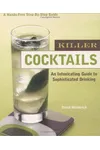
- Killer Cocktails: An Intoxicating Guide to Sophisticated Drinking (2005) - A practical, spiral-bound recipe manual designed to sit hands-free on a home bar.
- Imbibe!: From Absinthe Cocktail to Whiskey Smash (2007; revised and expanded in 2015) - The award-winning cultural history of the American bar.
- Punch: The Delights (and Dangers) of the Flowing Bowl (2010) - The definitive historical study of punch and its place in communal drinking history.
- The Oxford Companion to Spirits and Cocktails (2021) - The monumental, co-edited encyclopedic reference work.
Chronological Themes & Reading Caveats
While the publication order shows Wondrich's growth as a drinks writer, the historical eras his books cover run in a different direction. If you want to read his historical works in the chronological order of the drinks themselves, follow this path:
The Era of the Flowing Bowl (17th to mid-19th Century)
Start with Punch. Punch is the ancestor of the modern cocktail, dominating social gatherings from the 1600s through the early 1800s. Reading this first gives you the foundation of how spirits were mixed, diluted, and shared before individual single-portion drinks became fashionable.
The Golden Age of the American Cocktail (Mid-19th to early 20th Century)
Move next to Imbibe!, which begins where the punch era fades. Wondrich details how single-serve cocktails took over 19th-century America, focusing on the rise of the professional bartender and the evolution of classics like the Mint Julep, Whiskey Sour, and Manhattan up until the onset of Prohibition.
The Modern Cocktail Revival (Late 20th Century to Present)
Conclude with Wondrich's early works, Esquire Drinks (2002) and Killer Cocktails (2005). These books bridge the gap between historical mixology and the modern craft cocktail movement, offering practical guidance for the contemporary home bartender.
What to Know Before You Start
Wondrich's style stands out because he rejects dry, academic prose in favor of a lively, conversational tone filled with humor. Yet, his scholarship is incredibly rigorous. He works extensively with primary sources, including 19th-century newspapers, forgotten bar guides, and archival directories to debunk long-standing cocktail myths.
A key detail to remember is that Wondrich's cocktail books are both histories and practical manuals. Every historical chapter is paired with tested, historically accurate recipes. To get the most out of his work, do not just read the pages—try making the drinks as you read about their origins.