


Where to Begin Your D.E. Stevenson Journey
Dorothy Emily Stevenson (better known as D.E. Stevenson) wrote more than forty novels that offer the literary equivalent of a warm cup of tea on a rainy afternoon. Best categorized as mid-century novels of manners, her books blend gentle romance, sharp humor, and cozy village life. For newcomers, the sheer volume of her bibliography can feel overwhelming, but finding the right entry point is simple when you focus on her two most iconic creations.
The two best starting points are:
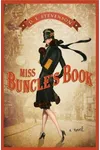
- Miss Buncle's Book (1934): This is Stevenson's most famous and beloved novel. It tells the story of Barbara Buncle, a quiet village resident who decides to write a novel under a pen name to make some extra money. The catch? She writes about her actual neighbors, changing only their names. When the book becomes a bestseller, the village goes into a hilarious uproar trying to unmask the anonymous author. It is the perfect introduction to Stevenson's lighthearted satire and warm observation of human nature.
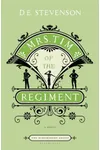
- Mrs. Tim of the Regiment (1932): Based heavily on Stevenson's own diaries as a military wife, this novel introduces Hester Christie (the titular "Mrs. Tim"). Written in an episodic, journal-style format, it captures the struggles, gossip, and camaraderie of life in a peacetime British military regiment. It is charming, deeply personal, and provides a wonderful window into early-20th-century family life.
The Interconnected "DES-Verse"
Long before modern authors popularized the concept of a shared universe, D.E. Stevenson was quietly weaving one. While many of her books are marketed as standalones or distinct series, they frequently overlap in delightful ways. Readers often encounter characters from one book popping up as houseguests, neighbors, or passing acquaintances in another. Understanding these links adds a rich layer of enjoyment for returning fans, though every book can still be enjoyed as a standalone experience.
Key connective threads in the Stevenson universe include:
- Geographical Landmarks: Several distinct settings serve as anchors. The Scottish town of Ryddelton (heavily based on Moffat, Scotland, where Stevenson lived), the English village of Shepherdsford, and the fictional town of Drumburly reappear across multiple series. Characters also frequently travel to or reside in the fictional London address of Wintringham Square.
- The Crossover Clergyman: Mr. Heath, a beloved local vicar, makes notable appearances across several books, including the Katherine Wentworth series, Sarah Morris Remembers, and the standalone Charlotte Fairlie.
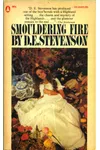
- Recurring Families: The character of MacAslan, introduced in the standalone Highland romance Smouldering Fire (1938), returns in Katherine's Marriage and plays a central role in The House of the Deer. Similarly, characters from the Drumberley series (like James and Rhoda) make appearances in the Bel Lamington books.
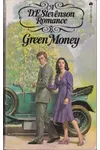
- The Fictional Novelist: Janetta Walters, a delightfully pretentious romance novelist first introduced in the Miss Buncle series, is frequently referenced by characters in other books who read her novels. She eventually gets her own starring role as a character in the standalone novel Green Money (1939).
D.E. Stevenson's Major Series in Order
If you prefer to read her books systematically, they are best read in their original publication order within each distinct series. This ensures you follow character development and local timelines correctly.
The Miss Buncle Books
This series follows the life, marriage, and extended community of Barbara Buncle. While the first two books focus directly on Barbara, the latter two branch out to focus on her family and neighbors, capturing life in England during World War II.
- Miss Buncle's Book (1934) – Barbara writes a book about her village, causing mild chaos.
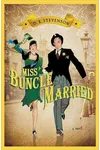
- Miss Buncle Married (1936) – Barbara adjusts to married life with her publisher, Arthur Abbott, and moves to Hampstead.
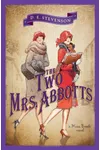
- The Two Mrs. Abbotts (1943) – Set during WWII, focusing on Barbara and her niece-in-law, Jerry Abbott.
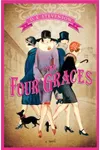
- The Four Graces (1946) – A tangential addition focusing on the daughters of the local rector in the same neighborhood. Barbara Abbott makes a brief cameo appearance in the opening chapter.
The Mrs. Tim Books
This series follows Hester Christie's journey from a young military wife in Scotland to a mature woman finding her footing during and after World War II.
- Mrs. Tim of the Regiment (1932) – Hester's journal of regimental life.
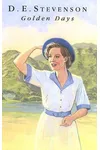
- Golden Days: Further Leaves from Mrs. Tim's Journal (1934) – Hester travels, visits friends, and reflects on her life.
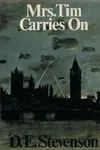
- Mrs. Tim Carries On (1941) – A vital wartime diary capturing the anxieties, duties, and community spirit of the home front during the early days of WWII.
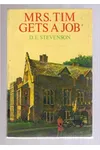
- Mrs. Tim Gets a Job (1947) – Post-war life sees Hester taking a job at a country house hotel.
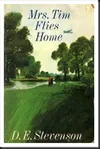
- Mrs. Tim Flies Home (1952) – Hester returns to England from Kenya, visiting old friends and dealing with domestic mysteries.
The Ryddelton Books
Set in the Scottish border country, these books are deeply atmospheric and focus on family legacy, romance, and wartime transitions.
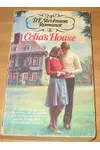
- Celia's House (1943) – Spanning several decades, this novel tracks the legacy of Dunnian, a beautiful family estate, and the children raised within it.
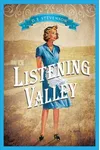
- Listening Valley (1944) – A sister novel that shares the Ryddelton setting, focusing on the growth of a young woman named Tonia who finds peace and love in the Scottish hills after a difficult marriage. Characters from Celia's House make brief appearances.
The Drumberley (Vittoria Cottage) Books
Sometimes called the Vittoria Cottage trilogy, this sequence is set in the small, charming village of Drumburly (spelled Drumberley in some editions) and follows the romantic and family struggles of the Dering and Johnstone families.
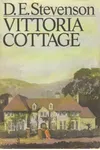
- Vittoria Cottage (1949) – A widow named Caroline Dering finds unexpected love while navigating her children's romantic choices.
- Music in the Hills (1950) – Focuses on Caroline's son, James, who moves to a farm in the Scottish borders run by his aunt and uncle.
- Winter and Rough Weather (1951) (Also published as Shoulder the Sky) – Resolves the struggles of James and his artistic new wife, Rhoda, as they adapt to the harsh winter isolation of rural Scotland.
The Ayrton Family Books
A beautifully written duology focusing on the emotional bonds of the Ayrton family and their beloved coastal Scottish estate, Amberwell.
- Amberwell (1955) – Follows five siblings growing up in the interwar years and how they are scattered by WWII, only for the family home to draw them back.
- Summerhills (1956) – Follows brother Roger Ayrton as he returns home and helps establish a school nearby, featuring many of the same characters.
The Bel Lamington Books
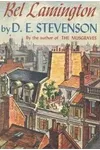
- Bel Lamington (1961) – Follows a shy, young country girl who must move to London to find work after her aunt's death, eventually finding a warm circle of friends and romance. Characters from the Drumberley series make cameo appearances.
- Fletchers' End (1962) – Bel and her new husband buy and restore a country cottage, encountering local history and resolving a mystery. This book features major crossovers with the standalone novel The Musgraves.
The Katherine Books
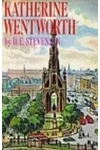
- Katherine Wentworth (1964) – A young widow struggles to raise her stepson and children in Edinburgh, dealing with difficult relatives and new suitors.
- Katherine's Marriage (1965) – Follows Katherine as she adapts to her new marriage, family blending, and the return of characters like the Highlander MacAslan.
The Sarah Morris Books
- Sarah Morris Remembers (1967) – Written as a first-person memoir, Sarah recounts her life before, during, and after WWII, including a poignant love story with an Austrian man.
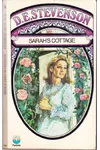
- Sarah's Cottage (1971) – Sarah and her husband return to the cottage in Ryddelton, reconnecting with characters from the Ryddelton series.
The Gerald Burleigh Brown Books
- Gerald and Elizabeth (1969) – A suspenseful romance about a brother and sister rebuilding their lives in Edinburgh after Gerald is falsely accused of theft in South Africa.
- House of the Deer (1970) – Gerald goes on holiday to the Scottish Highlands and becomes entangled in local drama, featuring the return of the MacAslan clan.
Standalone Gems to Explore Next
Once you have finished her main series, D.E. Stevenson's standalones offer excellent reading. Many of these contain soft crossovers that reward seasoned readers:
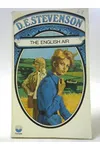
- English Air (1940): Written and published during the early months of World War II, this novel follows a young man of mixed German and English heritage who visits his English cousins. It is a surprisingly tense, patriotic, and emotionally resonant look at the pre-war cultural divide.
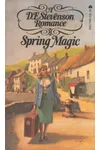
- Spring Magic (1942): A quiet woman escapes her overbearing relatives in London during the Blitz, finding independence, healing, and love in a small coastal village in Scotland.
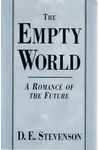
- The Empty World (1936): (Also published as A World in Spell) – A fascinating departure for Stevenson, this is a post-apocalyptic science fiction story where a mysterious gas kills off the majority of the world's population, forcing a small band of survivors to rebuild.
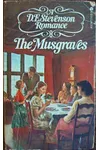
- The Musgraves (1960): A wonderful domestic novel set in the Cotswolds focusing on a mother and her three distinct daughters. As noted, many of these characters reappear in Fletchers' End, making it a great companion read to the Bel Lamington series.