



How to Start Reading Deborah Levy
Deborah Levy’s bibliography spans across avant-garde drama, short fiction, poetry, novels, and memoirs. Because her writing is heavily atmospheric, fragmented, and deeply psychological, readers often find themselves split on where to begin. Generally, her work is divided into two distinct tracks: her standalone fiction and her acclaimed Living Autobiography trilogy. Choosing a path depends entirely on whether you want to explore her surreal novels or her intimate, feminist reflections on life and art.
The Fiction Path: Where to Start
If you want to start with her novels, we highly recommend beginning with Hot Milk (2016) or Swimming Home (2011). Both of these novels showcase Levy at the height of her narrative powers. They are short, sharp, and carry an unsettling, dream-like quality that defines her modern prose style.
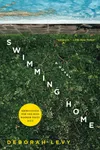
- Swimming Home (2011): This novel was shortlisted for the Man Booker Prize and is a masterclass in psychological tension. Set over a summer holiday in the French Riviera, it details how the arrival of a troubled young stranger disrupts a family's fragile peace. It is an excellent introduction to Levy’s ability to build tension out of the unsaid.
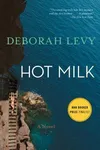
- Hot Milk (2016): A brilliant option for newcomers, this Booker-shortlisted novel explores a fraught mother-daughter relationship in a sun-drenched, surreal Spanish town. It deals with hypochondria, sexuality, and the search for agency.
The Non-Fiction Path: The Living Autobiography
If you prefer memoir, there is a clear and rewarding path: her Living Autobiography trilogy. Written as a response to George Orwell's essay "Why I Write," these three books are highly collaborative with the reader, blending personal history, feminist theory, and travelogue. While they can be read as standalones, they are best read in chronological publication order to witness her life and philosophy evolve.
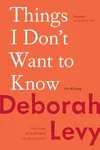
- Things I Don't Want to Know (2013): The foundation of the trilogy. Levy reflects on her childhood in apartheid South Africa, her family's exile to London, and her early struggles to find her voice as a writer.
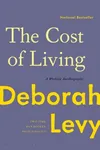
- The Cost of Living (2018): Shifting to middle age, Levy chronicles the breakdown of her marriage, building a new life in a drafty apartment, and the price women pay for freedom and creative expression.
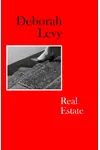
- Real Estate (2021): The final installment is a grand meditation on home, material possessions, and the intellectual "property" women own in their minds. It is a triumphant, witty look at female autonomy.
Deborah Levy Standalone Novels in Publication Order
For readers who want to follow her evolution as a novelist, reading her fiction in publication order reveals a fascinating trajectory. Levy began her career writing highly experimental, surrealist novels in the late 1980s and 1990s, took a long hiatus from the novel form, and returned with the highly polished, critically acclaimed works that made her a household literary name.
Here is the chronological publication order of her standalone novels and key long fiction:
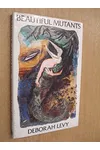
- Beautiful Mutants (1989): Levy’s debut novel is a challenging, highly stylized, and surrealist look at displacement, featuring an enigmatic South African emigrant in London.
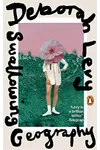
- Swallowing Geography (1993): A poetic, non-linear road novel that follows a traveler named J.K. as she navigates shifting identities and landscapes.
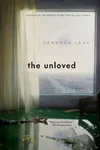
- The Unloved (1994): Set in a tourist home in the French Alps, this dark novel functions as an existential murder mystery that critiques European history and cold human relationships.
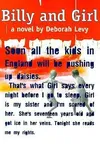
- Billy and Girl (1996): A gritty, dark novel focusing on two highly articulate teenage siblings abandoned by their parents in a consumer-obsessed England.
- Swimming Home (2011): The pivotal novel that marked her return to fiction and earned her a spot on the Booker shortlist, bringing her mainstream critical success.
- Hot Milk (2016): A sun-bleached, mythological, and psychological exploration of mother-daughter enmeshment.
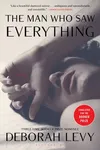
- The Man Who Saw Everything (2019): Longlisted for the Booker Prize, this complex, time-bending novel follows a narcissistic historian in East Berlin in 1989 and London in 2016, exploring memory, history, and historical blindspots.
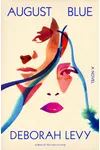
- August Blue (2023): Levy's latest novel follows Elsa M. Anderson, a classical pianist who undergoes a mid-life identity crisis across Europe after walking off stage during a performance. It is a hypnotic story about doubles, grief, and reinvention.
Short Stories, Graphic Novels, and Collaborations
Beyond her major novels, Levy has written several collections and experimental prose works that expand her literary world. These are ideal for readers who want to experience her short, sharp vignettes.
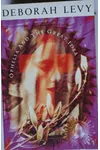
- Ophelia and the Great Idea (1989): Her first major short story collection, introducing readers to her blend of fairy-tale logic and modern alienation.
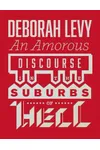
- An Amorous Discourse in the Suburbs of Hell (1990): A unique, dialogue-driven poetic narrative depicting a conversation between a domestic angel and a suburban accountant.
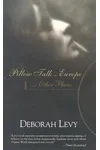
- Pillow Talk in Europe and Other Places (2003): A collection of stories focusing on intimacy, travel, and the weirdness of modern relationships.
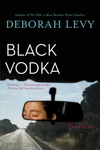
- Black Vodka: Ten Stories (2013): Shortlisted for the Frank O'Connor International Short Story Award, this collection contains ten atmospheric, melancholy stories about the difficulties of human connection.
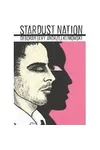
- Stardust Nation (2016): A graphic novel collaboration with illustrator Andrzej Klimowski, adapted from a short story in Pillow Talk, exploring empathy and shared madness.
What to Know Before You Start
Before diving into Deborah Levy’s works, it is helpful to understand her unique stylistic traits. Levy does not write traditional, plot-heavy books. Instead, her prose relies on psychological depth, symbolic motifs, and associative connections. Themes of exile, mother-daughter dynamics, feminine freedom, and the haunting presence of history recur throughout both her fiction and non-fiction. Whether you choose her fiction or her Living Autobiography, prepare for a reading experience that feels like a lucid dream—vivid, slightly mysterious, and lingering long after you close the cover.
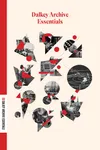
Note on "Dalkey Archive Essentials": Some bibliographies list Levy under a series called "Dalkey Archive Essentials." Please note that this is a publisher collection from Dalkey Archive Press featuring classic modernist works by various authors (such as Gertrude Stein and Aldous Huxley), not a collection of books written by Deborah Levy herself, though Dalkey Archive has republished some of Levy's early work.