

Where to Start Reading Deborah Moggach
Deborah Moggach has spent decades crafting rich, observational contemporary novels and vivid historical dramas. Because she focuses almost entirely on standalone stories, you do not need to worry about long, multi-book commitment arcs. However, depending on what type of reader you are, there are two distinct, ideal entry points to her bibliography.
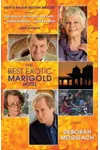
For Contemporary Comedy and Warmth: Start with These Foolish Things (2004), which was later repackaged and retitled as The Best Exotic Marigold Hotel. This novel shows off Moggach’s signature style: combining sharp wit, the realities of aging, and cross-cultural misadventures. It follows a group of British retirees who relocate to a budget retirement home in India, only to find their lives completely upended in the best way possible.
For Lush Historical Drama: Start with Tulip Fever (1999). Set in 17th-century Amsterdam during the height of the tulip mania, this story explores an illicit affair between a young married woman and the artist hired to paint her portrait. It is a suspenseful, beautifully detailed tragedy of obsession, art, and financial speculation that shows a darker, more dramatic side of Moggach’s writing.
The "Buffy" Books: A Rare Shared Universe
While Moggach writes standalones, there is one exciting exception for fans who love character crossovers. The character of Russell "Buffy" Buffery—an aging, well-meaning, but chaotic actor with a complicated relationship history—connects two of her novels. If you want to follow his personal timeline, read these two books in this order:
- The Ex-Wives (1993): Introduces Buffy as he navigates his relationships with his three ex-wives, various children, and new romantic prospects in London.
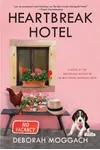
- Heartbreak Hotel (2013): Set twenty years later, Buffy inherits a run-down B&B in the Welsh borders and decides to open "Courses for Divorces"—a retreat for recently single people looking to rebuild their lives.
Deborah Moggach's Novels in Publication Order
If you prefer to see Moggach’s evolution as a writer, reading her novels chronologically is a fantastic option. Her early books focus heavily on 1970s and 80s domestic politics, family friction, and young relationships, while her later works pivot gracefully into the challenges and adventures of aging, caregiving, and late-life romance.
The Early Era (1978–1991)
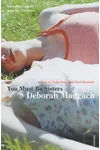
- You Must Be Sisters (1978): Moggach's debut novel exploring sisterhood, sexual liberation, and family expectations at university in the late 1970s.
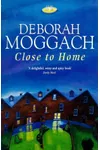
- Close to Home (1979): A sharp domestic drama looking at middle-class suburban marriages and the isolation of housewives.
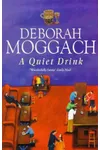
- A Quiet Drink (1980): A witty London-based story centered on chance encounters, marriage dynamics, and the search for connection.
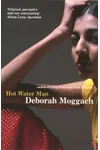
- Hot Water Man (1982): Drawing directly from Moggach's own two-year stay in Karachi, this novel explores cultural clashes, expatriate life, and marital tension in Pakistan.
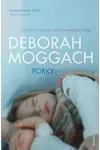
- Porky (1983): A darker, controversial story focusing on family secrets, incest, and growing up near Heathrow airport.
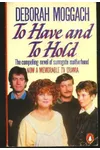
- To Have and to Hold (1986): A pioneering novel focusing on surrogacy between two sisters, written long before the topic became a mainstream media discussion.
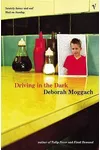
- Driving in the Dark (1988): A coach driver goes on a road trip across England to locate the son he has never known, offering a poignant look at male vulnerability and fatherhood.
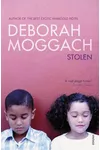
- Stolen (1990): A gripping drama tackling international child abduction and the emotional fallout of custody battles.
- The Stand-in (1991): A tense psychological story about an actress's body double who becomes dangerously obsessed with the star she replaces.
The Mid-Career and Breakout Hits (1993–2007)
- The Ex-Wives (1993): The comedic first look at Buffy and the web of relationships left behind by multiple divorces.
- Seesaw (1996): A high-stakes thriller focusing on a family whose daughter is kidnapped, exposing the fractures beneath their comfortable middle-class life.
- Close Relations (1997): A warm, comedic novel about late-life romance, pregnancy, and eccentric family gatherings.
- Tulip Fever (1999): Her highly acclaimed historical novel of art and obsession in Golden Age Amsterdam.
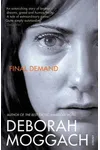
- Final Demand (2001): A dark drama about mail theft in a corporate setting that triggers a devastating chain reaction of events.
- These Foolish Things (2004): Retitled The Best Exotic Marigold Hotel. A heartwarming look at second chances, culture shock, and aging in India.
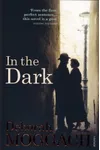
- In the Dark (2007): A historical novel set in WWI London, detailing the life of a boarding house owner navigating grief, local scandals, and survival.
The Modern Era (2013–Present)
- Heartbreak Hotel (2013): Buffy returns to run a Welsh B&B for divorcés.
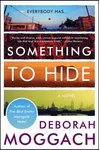
- Something to Hide (2015): A global novel jumping between London, Beijing, Texas, and West Africa, addressing secrets, illegal immigration, and the desire for children.
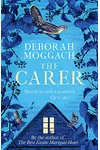
- The Carer (2019): A darkly funny look at sibling rivalries and family inheritance when a charming new caregiver arrives to look after an elderly father.
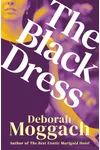
- The Black Dress (2021/2022): A bittersweet, hilarious novel about a newly single woman in her seventies who begins crashing funerals to meet single men.
Short Stories and Anthologies
In addition to her novels, Moggach is an accomplished short story writer. To get a taste of her shorter fiction, look out for these collections:
- Smile and Other Stories (1987) & Changing Babies (1995): Her two original short story collections focusing on domestic ironies.
- Fool for Love: The Selected Short Stories (2023): The definitive collection that compiles her best older stories alongside brand-new, unpublished tales.
What to Know Before You Start: Screen Adaptations
Moggach is just as famous for her screenwriting as she is for her books. Knowing how her screen adaptations differ from her novels can help you decide what to read next:
- Pride & Prejudice (2005 Film): Moggach wrote the BAFTA-nominated screenplay for the Keira Knightley film adaptation, showcasing her talent for classic romance.
- The Best Exotic Marigold Hotel (2011 Film): The film changes several details from the book These Foolish Things, softening some of the novel's darker, more cynical elements for a lighter cinematic feel. Note that the 2015 sequel film, The Second Best Exotic Marigold Hotel, was an original script and is not based on any book by Moggach.
- Goggle-Eyes (1993 BBC Series): Moggach won a Writers' Guild Award for adapting Anne Fine’s famous children’s book for television. Moggach did not write the original book, but modernized its themes to focus on environmental issues.