



Where to Start Reading Deborah Wiles
If you are new to Deborah Wiles's catalog, your best starting point depends on what kind of reading experience you are looking for. For readers seeking immersive, highly visual historical fiction, the best place to start is with Countdown (2010), the first book in her groundbreaking Sixties Trilogy. It perfectly showcases Wiles's unique 'documentary novel' style and provides an immediate hook into her historical storytelling.
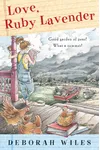
For those who prefer cozy, character-driven stories with deep Southern charm, start with Love, Ruby Lavender (2001). This was Wiles's debut novel and serves as the perfect introduction to the fictional world of Aurora County, Mississippi, which she returns to across several companion novels.
The Sixties Trilogy (Documentary Novels)
Deborah Wiles pioneered a unique 'documentary' format for this middle-grade historical fiction trilogy. These books are not standard novels; they are interspersed with primary source materials, including song lyrics, photographs, advertisements, news clippings, and pop culture references from the era. While each novel features a different protagonist and can technically stand alone, they are best read in chronological order to experience the progression of the decade's socio-political shifts.
- Countdown (2010) – Set in 1962 against the terrifying backdrop of the Cuban Missile Crisis, following eleven-year-old Franny Chapman.
- Revolution (2014) – Set in 1964 during Freedom Summer in Greenwood, Mississippi, focusing on Sunny Lichlite and the civil rights movement. (National Book Award Finalist).
- Anthem (2019) – Set in 1969, following cousins Molly and Norman on a cross-country road trip during the height of the Vietnam War and the protests surrounding it.
The Aurora County Series
Set in the fictional town of Aurora County, Mississippi, these books are heartwarming, humorous middle-grade stories about community, family, and growing up. The books in this series are companion novels rather than direct sequels. Each book focuses on a different main character, but they share a common setting and see characters from earlier books pop up in supporting roles. For the best experience, they should be read in order of publication.
- Love, Ruby Lavender (2001) – The story of quirky Ruby Lavender and her beloved grandmother, Miss Eula, during a summer of change in Aurora County.
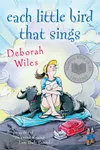
- Each Little Bird That Sings (2005) – Follows ten-year-old Comfort Snowberger, whose family runs the local funeral home, as she learns to navigate grief and life. (National Book Award Finalist).
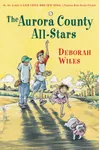
- The Aurora County All-Stars (2007) – Centered around House Jackson, a twelve-year-old pitcher, and a summer baseball game that unites the town's eccentric personalities.
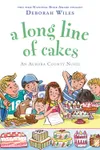
- A Long Line of Cakes (2018) – Follows Emma Lane Cake, whose baking family moves constantly. When they arrive in Aurora County, she meets Ruby Lavender (from the first book), who helps Emma learn the value of setting down roots.
Standalone Novels and Verse Fiction
Wiles has also written powerful standalone books that don't belong to her primary series but share her focus on deep emotional journeys and historical events.
- Hang the Moon (2004) – A standalone middle-grade novel set in 1940s Mississippi, following young Annie Johnston as she navigates family issues, friendship, and self-acceptance.
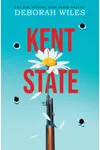
- Kent State (2020) – A young adult historical novel written in free verse. It explores the tragic events of May 4, 1970, at Kent State University from multiple perspectives, including students, National Guardsmen, and townspeople.
Non-Fiction and Biographies
Wiles has expanded her historical storytelling into biographical works aimed at younger readers, bringing real-world history to life with personal narratives.
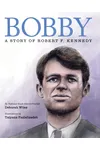
- Bobby: A Story of Robert F. Kennedy (2022) – A beautifully illustrated biography of Robert F. Kennedy, focusing on his life, legacy, and message of hope, written in collaboration with illustrator Tatyana Fazlalizadeh.
Picture Books
For younger readers, Wiles's picture books are excellent entry points that introduce themes of history, nature, and community with lyrical text.
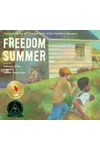
- Freedom Summer (2001) – Illustrated by Jerome Lagarrigue. A poignant story about two best friends, one white and one Black, navigating the integration of their town's public pool in 1964 Mississippi. (Ezra Jack Keats New Writer Award winner).
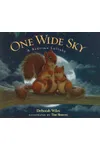
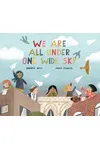
- One Wide Sky (2003) – Illustrated by Tim Bowers. A lyrical backyard counting book. (Later adapted/reissued as We Are All Under One Wide Sky in 2021 with illustrations by Andrea Stegmaier).
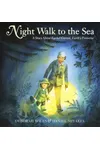
- Night Walk to the Sea: A Story About Rachel Carson, Earth's Protector (2020) – Illustrated by Daniel Miyares. A story based on a real-life night walk taken by pioneering environmentalist Rachel Carson and her young nephew, Roger, along the Maine coast.
- Simple Thanks (2024) – Illustrated by Bao Luu. A warm picture book celebrating daily gratitude and the natural world.
Anthology Contributions
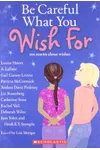
- Star Light, Star Bright (2007) – A short story contributed to the anthology Be Careful What You Wish For: Ten Stories About Wishes, edited by Lois Metzger.
What to Know Before You Start
Deborah Wiles's work is celebrated for its deep historical integration. When reading the Sixties Trilogy, note that the physical books include pages of visual history — collage-style layouts of historical photos, quotes, and advertisements. If you read these as audiobooks or basic e-readers, you may miss out on the visual cues that enrich the narrative. For the full experience, we highly recommend reading physical or high-quality digital layout copies of the trilogy.
Additionally, while her books deal with serious topics like racism, war, and death, they maintain a warm, hopeful tone suitable for middle-grade readers, making them popular in school curricula.