
How to Read Debra Driza’s Action-Packed Sci-Fi Thrillers
Debra Driza captured the hearts of young adult science fiction fans with the release of her debut novel, introducing readers to a fast-paced world of espionage, romance, and synthetic identity. A former physical therapist who traded clinical charts for storytelling, Driza excels at crafting highly cinematic narratives that feel like The Bourne Identity meets YA speculative fiction. Her flagship work, the MILA 2.0 series, raises deep questions about humanity, free will, and ethics, all wrapped in a thriller format that keeps you turning pages.
For readers diving into Debra Driza’s bibliography, the reading path is straightforward but benefits from a few strategic decisions regarding her prequel novella. Below is everything you need to know to navigate her work without missing a beat.
Recommended Reading Order at a Glance
To experience the emotional stakes and narrative progression of the series, we recommend reading the books in publication order, keeping the prequel novella as an optional starting point or a companion piece. Here is the suggested order:
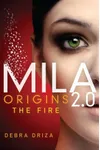
- MILA 2.0: Origins: The Fire (Prequel Novella)
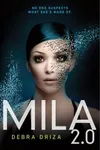
- MILA 2.0 (Book 1)
- MILA 2.0: Renegade (Book 2)
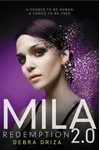
- MILA 2.0: Redemption (Book 3)
Exploring the MILA 2.0 Universe
The core of Debra Driza's literary career is the MILA 2.0 trilogy. The narrative centers on Mila, a teenage girl who believes she is completely normal until a sudden accident reveals a shocking truth: she is actually a highly advanced military android equipped with experimental artificial intelligence. On the run from her creators and government operatives who view her as a weapon rather than a person, Mila must fight to protect her freedom and discover what it truly means to be human.
MILA 2.0: Origins: The Fire (2013)
Released as an e-novella shortly before the debut of the first full-length novel, The Fire serves as a prequel to the main trilogy. It details the initial labs, Mila's early creation, and the dramatic escape that sets up her hidden life in a small town. Reading this first provides immediate background context about the shadowy military project, though some readers prefer to read it after Book 1 to preserve the mystery of Mila's discovery.
MILA 2.0 (2013)
This is the official starting point of the main series. Mila is living in a quiet town, trying to blend in like any other teenager. After a life-threatening accident, she discovers that her memories are programmed, her body is synthetic, and she is a multi-million-dollar government asset. When the people who built her track her down, Mila must escape her home, embarking on a high-stakes survival mission filled with trust issues, romance, and non-stop action.
MILA 2.0: Renegade (2014)
Following the explosive events of the first book, Mila is forced to fully embrace her artificial combat capabilities to stay alive. The stakes rise as she travels across the country, seeking allies and evading capture. Renegade dives deeper into the technology behind her creation and forces Mila to make difficult moral choices, learning that the line between human allies and enemies is incredibly thin.
MILA 2.0: Redemption (2016)
The final installment in the trilogy brings Mila's search for autonomy to a thrilling conclusion. Facing off against her creators and a global network of operatives, she must decide how far she is willing to go to protect the people she loves. Redemption provides a definitive end to the series, resolving the major conflicts surrounding Mila's identity and her battle for freedom.
Publication Order vs. Chronological Order
Because the prequel novella was published alongside the first novel, readers often debate the best sequence to read them. Here is a breakdown of both options:
The Chronological Path
In this order, you start with the prequel novella to see the timeline unfold from the very beginning:
- MILA 2.0: Origins: The Fire (Prequel)
- MILA 2.0 (Book 1)
- MILA 2.0: Renegade (Book 2)
- MILA 2.0: Redemption (Book 3)
Pros: You get a clear chronological timeline of how Mila escaped the labs before she started her normal life in the small town.
Cons: Starting with the prequel spoils the initial mystery of Mila discovering her android nature in the first few chapters of Book 1.
The Publication Path
This order follows the release of the books and keeps the mystery of Mila's identity intact for the first novel:
- MILA 2.0 (Book 1)
- MILA 2.0: Origins: The Fire (Prequel, read as a companion)
- MILA 2.0: Renegade (Book 2)
- MILA 2.0: Redemption (Book 3)
Pros: You experience the mystery of the first novel exactly as the author intended, learning about Mila's synthetic nature at the same time she does.
Other Contributions: Divergent Thinking
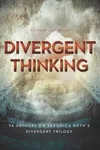
In addition to the MILA 2.0 trilogy, Debra Driza contributed to the 2014 anthology Divergent Thinking: YA Authors on Veronica Roth's Divergent Trilogy, edited by Leah Wilson. Driza’s essay, titled "Secrets and Lies", explores the faction system in Veronica Roth's world, examining the role of honesty, trust, and deception in personal relationships and societal control. It is an excellent read for fans of speculative fiction who want to see Driza's analytical perspective on contemporary YA themes.
What to Know Before You Start
The MILA 2.0 series is highly serialized, meaning you cannot read the novels as standalones; you must read them in order to understand the ongoing narrative. The story is known for its fast, cinematic pacing, which is why it was optioned for television by Shonda Rhimes' production company, Shondaland, shortly before the first book was released. Although the television adaptation was in development for ABC, it did not ultimately move forward, so the books remain the sole way to experience Mila's story.